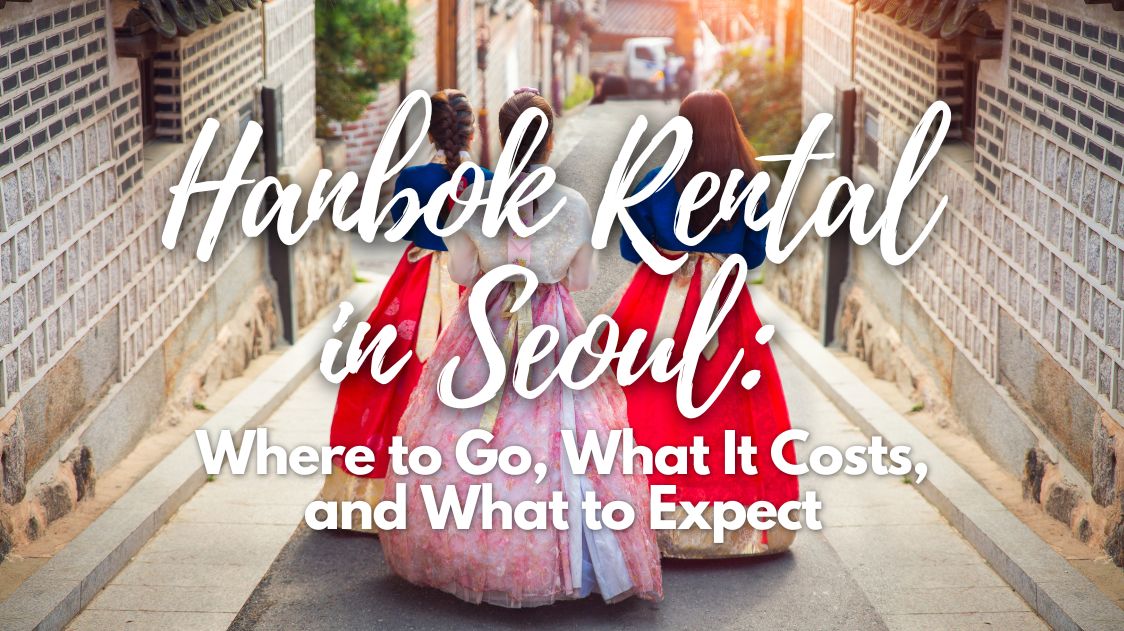
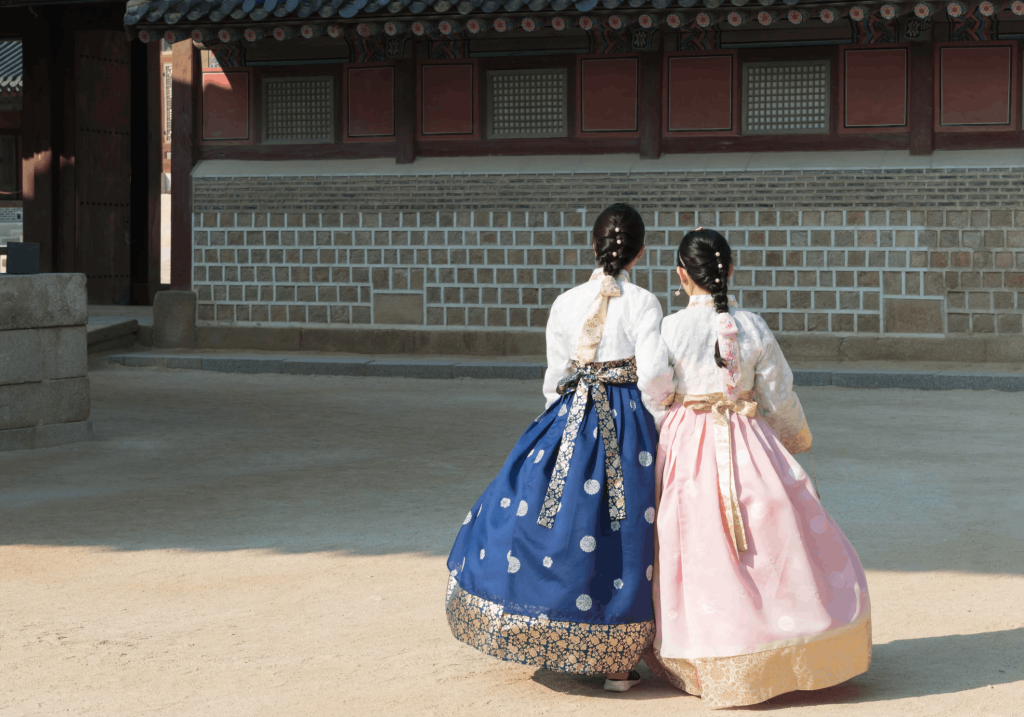
Wearing a hanbok in Seoul is one of those experiences that sounds like it might feel contrived but usually does not. The clothes are genuinely beautiful, the setting of Gyeongbokgung Palace or Bukchon Hanok Village creates a context that makes the whole thing feel natural, and the free palace entry that comes with wearing one saves you money on top of everything else.
This guide covers where to rent a hanbok in Seoul, what you will pay, how the process works, and a few practical details that the booking pages leave out.
What Is a Hanbok?
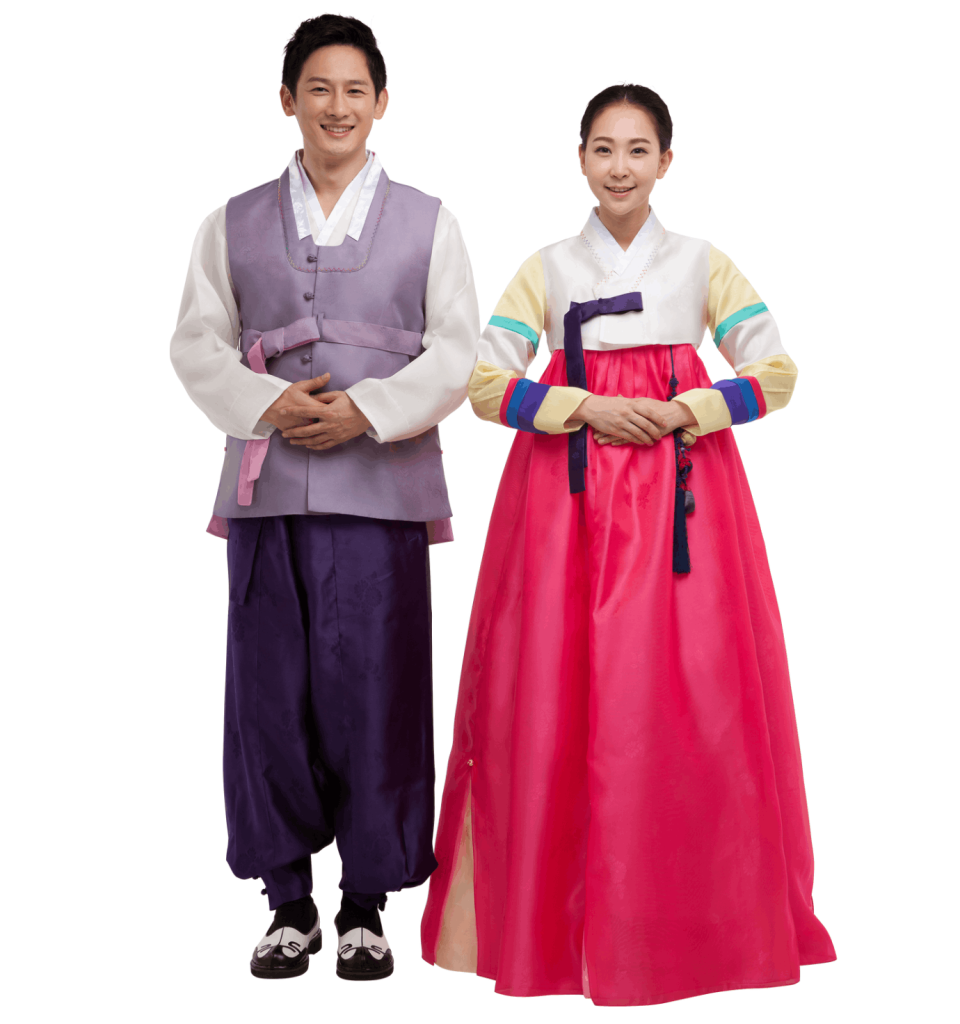
A hanbok (한복) is the traditional clothing of Korea, developed during the Joseon Dynasty (1392–1897) and worn for ceremonies, celebrations, and daily life for centuries. The women’s version consists of a jeogori (short jacket) tied with a ribbon bow and a chima (full skirt) that flows from the chest. The men’s version pairs a jeogori with baji (loose trousers) and an outer coat.
Modern hanbok rentals for tourists fall into three categories:
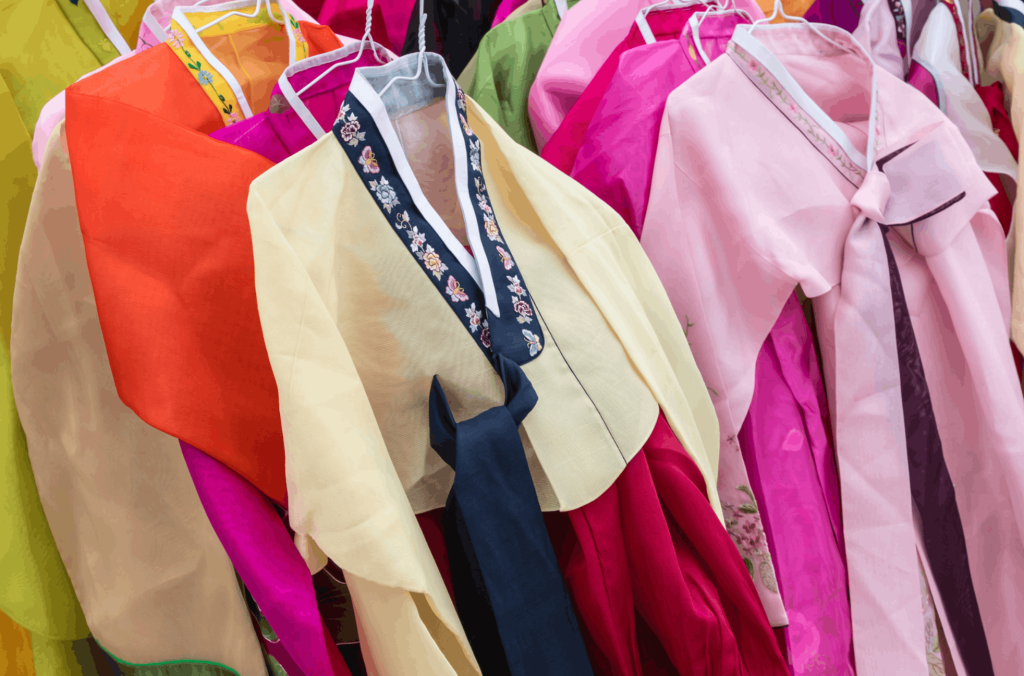
Traditional hanbok: Historically accurate colours and silhouettes, primarily made of silk-effect fabrics. Heavier, more formal, and produces the most striking photographs against palace backgrounds.
Fusion hanbok: Contemporary interpretations that blend traditional Korean forms with modern cuts and fabrics. More comfortable, easier to move in, and increasingly popular.
Premium or themed hanbok: Specialist options including royal court dress (King and Queen sets), military official outfits, and luxury silk versions. Cost more but are particularly popular for couple photos.
Why Bother? The Free Palace Entry Perk
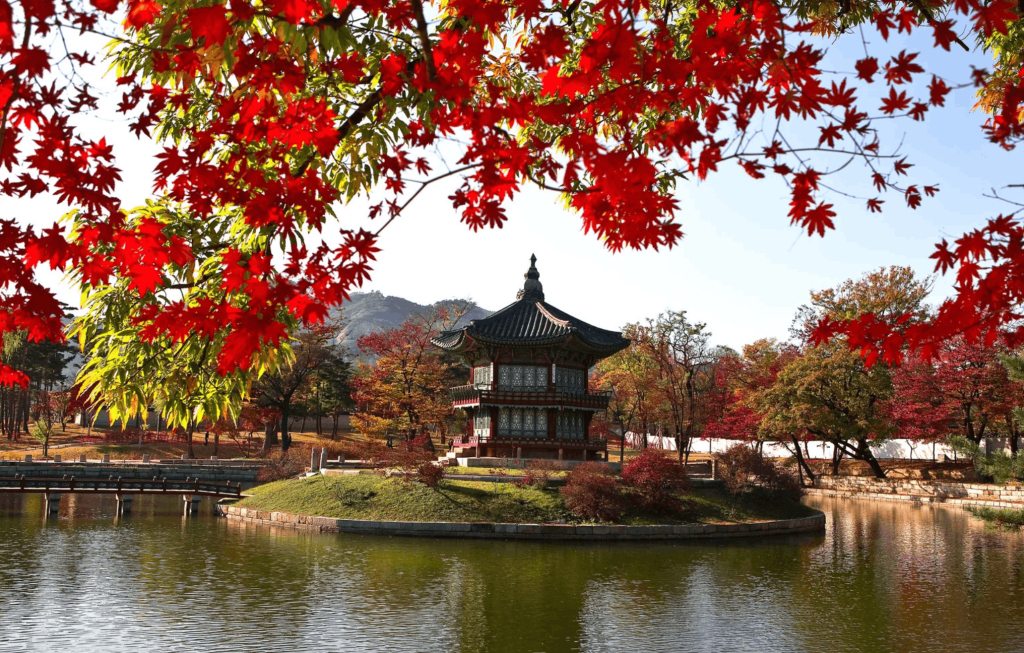
The practical argument for renting a hanbok is simple: wearing one grants free entry to all five of Seoul’s Grand Palaces.
| Palace | Standard entry | With hanbok |
|---|---|---|
| Gyeongbokgung | ₩3,000 (~$2/€2) | Free |
| Changdeokgung | ₩3,000 (~$2/€2) | Free |
| Deoksugung | ₩1,000 (~$0.70/€0.60) | Free |
| Changgyeonggung | ₩1,000 (~$0.70/€0.60) | Free |
| Gyeonghuigung | Free | Free |
If you visit Gyeongbokgung and Changdeokgung on the same day in hanbok, you have already saved ₩6,000 (~$4/€4) on entry alone. On a two-hour rental at ₩15,000 (~$10/€9), that brings the effective cost down to ₩9,000 (~$6/€5) for the costume experience and the photographs.
The free entry rule applies as long as you are wearing the hanbok visibly, not carrying it. Staff at palace entrances check this.
Author’s Tip: Do not try to fold the hanbok into a bag and put it on at the palace gate. The staff check properly and it is embarrassing to be turned back. Get dressed at the shop, walk to the palace in the hanbok, and enjoy the entry perk properly.
Where to Rent a Hanbok in Seoul
The highest concentration of hanbok rental shops is in the streets immediately surrounding Gyeongbokgung Palace, particularly along Sajik-ro and the alleys between the palace entrance and Gyeongbokgung Station. There are over 30 rental shops in this area alone, ranging from budget options at ₩10,000 to premium studios charging ₩80,000+.
Gyeongbokgung Area (Best for Palace Photos)
This is where most tourists rent, and for good reason: you step out of the shop already dressed, walk two minutes to the palace, and you are exactly where you want to be for photographs.
What to expect: Most shops in this area are professionally run, multilingual (English and Chinese in particular), and offer hairstyling services as part of or as an add-on to the base rental. Locker storage for your regular clothes and bags is standard. The quality of the hanbok varies between shops: go inside, look at the condition of the garments on the rails, and ask to see the specific hanbok you would be wearing before you commit.
Key streets: Sajik-ro and Jahamun-ro 2-gil have the highest density of reputable shops. Avoid shops on the very main road near the palace entrance (often overpriced and lower quality) and prefer the side streets two minutes’ walk away.
Notable shops:
- Daehan Hanbok: one of the most-reviewed English-friendly shops in the area. Located at 133-2 Sajik-ro, 1-minute walk from Gyeongbokgung Station Exit 4. Traditional and fusion options. 2-hour rental from ₩15,000 (~$10/€9).
- Gigibebe Hanbok: known for quality garments and good hairstyling service. Located at 18 Jahamun-ro 2-gil, 3-minute walk from Exit 3. 2-hour rental from ₩15,000 (~$10/€9), full-day from ₩20,000 (~$14/€12).
- Hanboknam: one of the largest shops in the area, with around 1,000 hanbok sets in sizes XS to XXL. Children’s options from age 1. 1.5-hour rental from ₩15,000 (~$10/€9).
- Palacefox: popular with younger travellers for its fusion and photogenic options. Multiple hanbok changing rooms, self-photo area available. From ₩12,000 (~$8/€7).
Bukchon Hanok Village (Best for Street Photography)
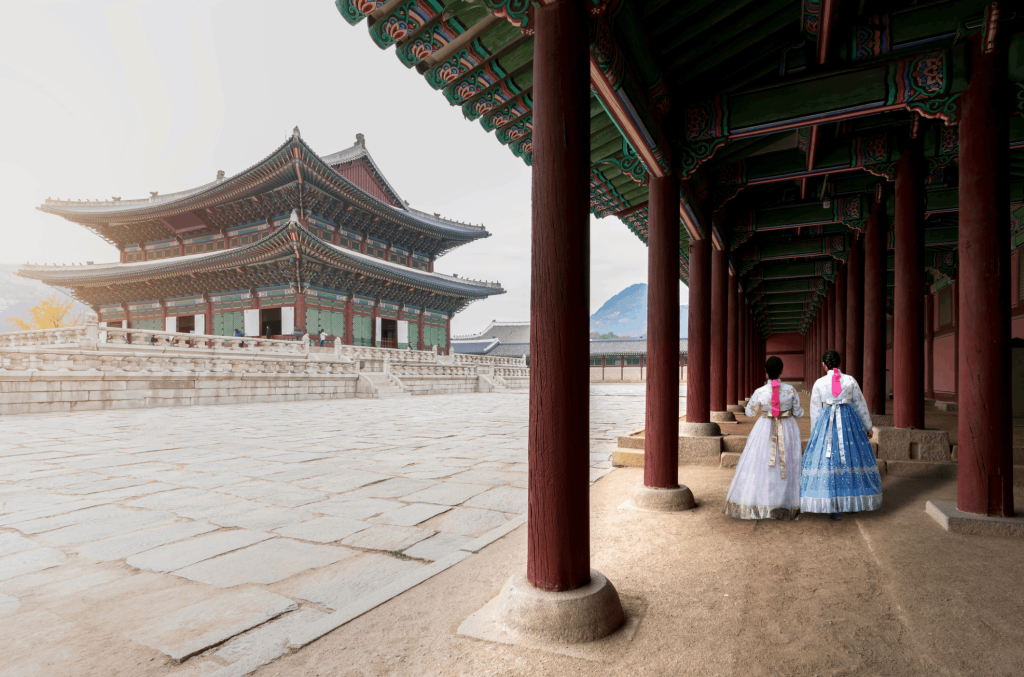
Several rental shops are located within or adjacent to Bukchon Hanok Village itself. Renting here and walking the village alleys in hanbok produces different photographs from the palace setting: more intimate, with traditional house facades rather than palace pavilions as background.
The experience feels slightly more local than the Gyeongbokgung strip because the hanbok mixes with an actual residential neighbourhood rather than a tourist attraction. The trade-off is that the village alleys get crowded on weekends and the narrow streets mean less room for posing without other tourists in frame.
Walk north from Anguk Station (Line 3) Exit 3 to reach the village and the handful of rental shops on its southern edge.
Insadong Area (Quieter Alternative)
A smaller cluster of shops operates around the Insadong pedestrian street, targeting travellers who are already in the area exploring galleries and craft shops. Quality and pricing are comparable to the Gyeongbokgung area, but the nearest palace is Changgyeonggung rather than Gyeongbokgung, which is slightly further.
A good option if you are doing Insadong first in your itinerary and want to combine the hanbok experience with browsing the craft shops before heading to a palace.
How Much Does Hanbok Rental Cost?
Prices vary by rental duration, garment tier, and whether hairstyling is included.
| Rental type | Duration | Price range |
|---|---|---|
| Standard rental (traditional or fusion) | 1–2 hours | ₩10,000–₩20,000 (~$7–$14/€6–€12) |
| Standard rental | Full day (until 18:00–19:00) | ₩18,000–₩30,000 (~$12–$20/€11–€18) |
| Premium / themed hanbok | 2 hours | ₩25,000–₩50,000 (~$17–$34/€15–€30) |
| Premium / themed hanbok | Full day | ₩35,000–₩80,000 (~$24–$54/€22–€48) |
| Add-on hairstyling | Varies | ₩5,000–₩15,000 (~$3–$10/€3–€9) |
| Accessories (not included by default) | Per item | ₩2,000–₩8,000 (~$1.35–$5/€1.20–€5) |
Prices as of June 2026.
Most shops include:
- The hanbok itself (top and skirt/trousers set)
- Inner skirt for women
- Locker for your belongings
- Basic hairstyling (often just pinning hair up rather than full styling)
Most shops charge extra for:
- Premium accessories (ornamental pins, norigae tassels, fans, headpieces)
- Upgraded hairstyling with a dedicated stylist
- Self-photo booth or photography studio access
- Male companion sets if only one person is renting
How the Rental Process Works
The process is standard across most shops:
- Walk in or book online. Most shops accept walk-ins, but on weekends and public holidays the most popular shops can have queues. Booking through the shop’s website, Klook, or Viator in advance reserves your slot and sometimes includes a small discount.
- Choose your hanbok. You browse the racks or a catalogue and select your garment. Staff can advise on colours that suit your complexion and on which combinations are currently popular. Allow 15–20 minutes for selection, or 30 minutes if you are undecided.
- Get dressed. Staff help with the fitting, particularly the ribbon tying on women’s jeogori, which is fiddly without practice. Men’s hanbok is simpler but the trousers have an unusual tie-waist system.
- Hairstyling. If included or paid for, this typically takes 10–15 minutes. Women usually have their hair pulled back and secured with a decorative pin. Men may receive a topknot (gat) or simply a small headpiece.
- Locker your belongings. Leave bags, coats, and shoes in the provided locker. Most shops provide traditional rubber-soled shoes (gomussin) to wear rather than modern trainers.
- Head out. You are given a return time and a card with the shop address. Keep the card in case you get lost.
- Return and change. Come back before the agreed time. Staff help you undress if needed. Pick up your belongings from the locker.
Practical Tips
Book in advance for weekends and public holidays. The Gyeongbokgung area gets very busy on Saturday afternoons and during national holidays. Without a reservation, expect queues of 30–45 minutes at popular shops.
Wear or bring modest underclothing. You will be changing in a shared changing room. Most shops provide screens but bring what you need.
Check the return time carefully. Missing your return time often results in an additional charge per hour. Know when your rental ends before leaving the shop.
Consider the weather. Traditional hanbok is made of layers and can be warm in summer. Fusion hanbok uses lighter fabrics. In winter, the cold goes straight through most hanbok: bring a coat or rent one if the shop offers it.
Author’s Take: Winter hanbok photographs at Gyeongbokgung are some of the best you can take, especially if there has been snowfall. The palace against snow with the colourful hanbok is genuinely beautiful. But dress warmly underneath. Thermal base layers under the hanbok are not visible and they make the difference between enjoying yourself and being miserable.
Male hanbok is less common but available. Most shops cater primarily to women. Male hanbok sets are available at most shops but the range of styles is smaller. Couples renting together get the full experience; solo male renters should confirm availability and style range before booking.
Avoid the very cheapest shops. ₩8,000–₩10,000/hour shops do exist and you often get what you pay for: faded fabric, poorly fitting garments, and rushed hairstyling. The quality difference between ₩10,000 and ₩20,000 per session is significant and the extra ₩10,000 (~$7/€6) is worth it.
Author’s Take: I have rented hanbok at four different shops in the Gyeongbokgung area over various visits. The difference between the budget end and the mid-range is noticeable in the fabric quality, the condition of the garments, and how much time the staff spend on fitting and hairstyling. Daehan and Gigibebe consistently deliver a good experience. The unnamed shops near the main palace gate are often overpriced for what you get.
Photography at Gyeongbokgung. The palace grounds are open to photography. No special permit is needed for personal photographs in hanbok. Commercial photography requires a separate permit from the Cultural Heritage Administration. For the best light, visit in the two hours after opening (09:00–11:00) or the last two hours before closing (varying by season, typically 17:00–18:00 in summer).
Hanbok Rental Beyond Gyeongbokgung
Deoksugung Palace (덕수궁)
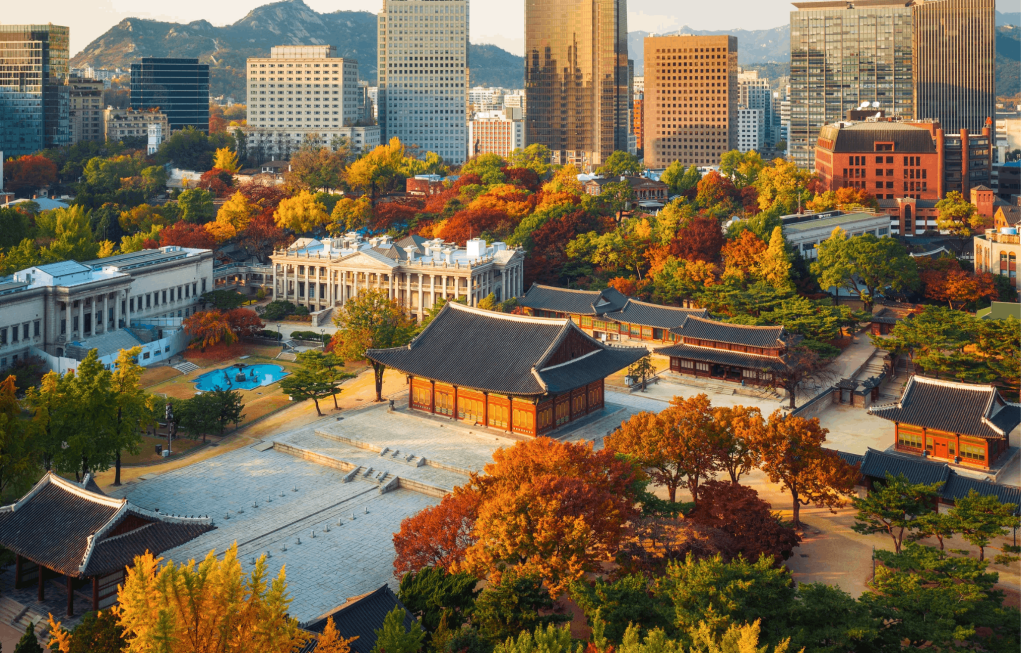
Deoksugung sits in the heart of the city near City Hall and has a slightly different character from Gyeongbokgung: smaller, surrounded by modern buildings, and adjacent to the Seoul Museum of Art. The hanbok backdrop here is more urban and modern: a contrast rather than a historical immersion.
Changing of the Guard ceremony at Deoksugung runs three times daily (11:00, 14:00, 15:30) at the Daehanmun gate and is one of the more accessible ceremonial events in the city.
Hanbok rental shops near Deoksugung are located around the Deoksugung-gil pedestrian alley that runs behind the palace. Fewer options than Gyeongbokgung but less crowded on weekends.
Changdeokgung and the Secret Garden
Changdeokgung (창덕궁) is arguably the most beautiful of Seoul’s palaces: less formally structured than Gyeongbokgung, with winding paths through forested hillsides, pavilions above ponds, and a more intimate scale. The adjacent Secret Garden (Huwon) requires a separate timed-entry ticket and is genuinely worth visiting.
Wearing hanbok here produces photographs with a forested, pastoral quality very different from the formal courtyards of Gyeongbokgung. Several rental shops operate near the Anguk Station area that serve both this palace and Bukchon Village.
Frequently Asked Questions
Do I need to book a hanbok rental in advance? Not strictly necessary on weekdays, but strongly recommended for Saturday and Sunday visits, and during peak tourist periods (cherry blossom season in late March/early April, autumn foliage in October/November, and Chuseok and Lunar New Year holidays).
What sizes are available? Most shops stock XS to XL for women and S to L for men. Larger shops like Hanboknam stock up to XXL. Children’s hanbok is available at most shops from around age 1.
Can I wear my own shoes? Technically yes, but most shops provide traditional rubber-soled shoes (gomussin) as part of the rental and modern trainers look visually jarring with hanbok. The traditional shoes are flat-soled and comfortable for walking.
How long should I rent for? Two hours is the minimum at most shops and is adequate if you are going directly to one palace and returning. A four-hour or full-day rental is better if you want to visit multiple palaces, walk through Bukchon, and have time for unhurried photographs.
Author’s Tip: The two-hour rental is tight if you want to do both Gyeongbokgung and Bukchon properly. I would go for four hours minimum if that is your plan. You end up rushing the photographs when you are watching the clock, and the whole point of the experience is to not rush.
Is it possible to rent hanbok without going to a palace? Yes. Wearing hanbok in Bukchon Hanok Village, Insadong, or Changdeokgung’s forested paths all produce excellent photographs without needing to visit Gyeongbokgung specifically. The free palace entry is a bonus rather than the entire point.
What if it rains? Light drizzle rarely stops the experience and wet-weather photos have their own atmosphere. Heavy rain is a problem because traditional hanbok fabrics are not waterproof. Most shops provide umbrellas and some have plastic capes. Check the forecast before booking a non-refundable slot.
Booking Options
Walk-in: Available at most shops. Bring cash (₩) and your passport for identification at some shops.
Klook: Lists most of the major shops with English reviews, online payment, and cancellation policies. Often 5–15% cheaper than walk-in rates.
Viator: Similar to Klook. Good for package deals that include palace entry tickets.
Direct booking: Most shops have an English-language website or Instagram page with an online booking form. Direct booking is often cheapest and confirms your specific time slot.
Prices and availability accurate as of June 2026. Exchange rate: ₩1,500 = $1 USD, ₩1,680 = €1 EUR.
Hanbok and Korean Cultural Context
Understanding a little of the cultural context makes wearing a hanbok feel more considered rather than purely photographic.
The hanbok was everyday clothing for Koreans for centuries, not ceremonial dress. Wealthy families wore silk in vivid colours; commoners wore hemp and ramie in undyed or muted tones. The colour system was not arbitrary: certain colours were associated with specific social ranks, regions, and occasions.
White held special significance in Korean culture: associated with both mourning and purity, it was the most common colour for everyday wear. The bright colours you will see in most rental shops today reflect court dress and celebratory occasions rather than daily life.
The hanbok nearly disappeared as daily clothing during the Japanese colonial period (1910–1945) and the rapid Westernisation of South Korea in the second half of the 20th century. What remains is largely ceremonial: worn for weddings, Chuseok and Lunar New Year, first birthdays (doljanchi), and now the growing tourist rental industry.
Contemporary Korean designers are doing interesting work in neo-hanbok: modern clothing inspired by traditional silhouettes, using traditional fabrics in contemporary contexts. If you develop an interest beyond the rental experience, Seoul’s fashion districts (Seongsu-dong, Hannam-dong) have independent designers working in this space.
Hanbok Rental for Children
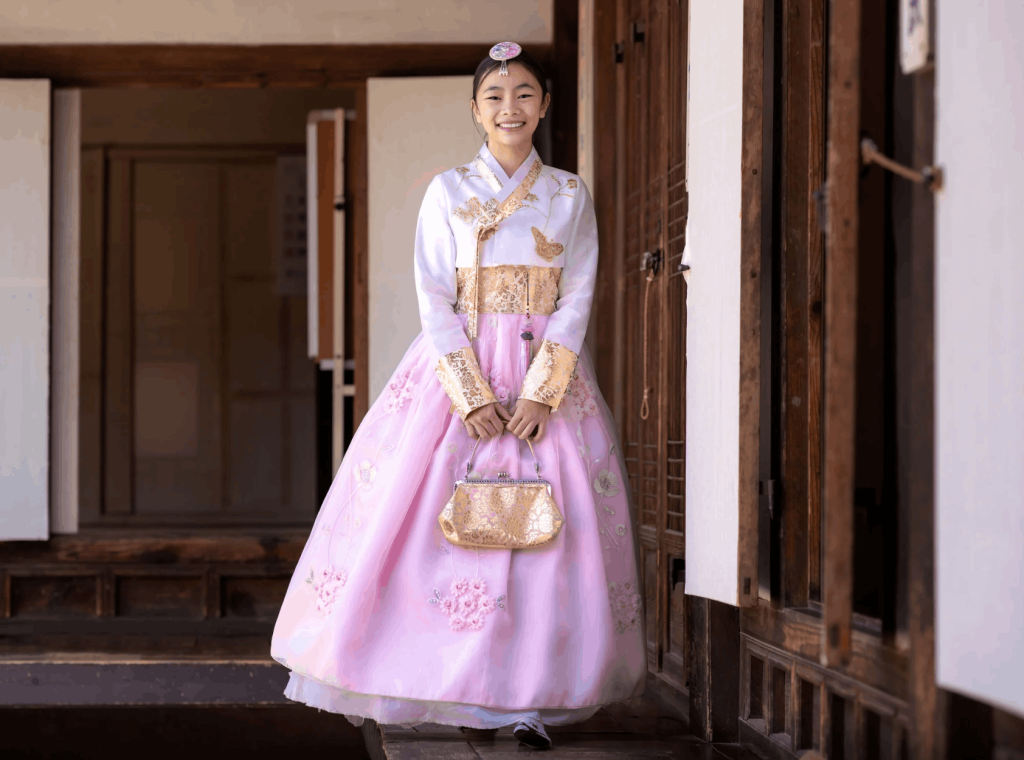
Most shops stock children’s hanbok from approximately age 1 upwards. Children’s sets typically include matching headpieces and are sized to standard children’s age ranges rather than exact measurements.
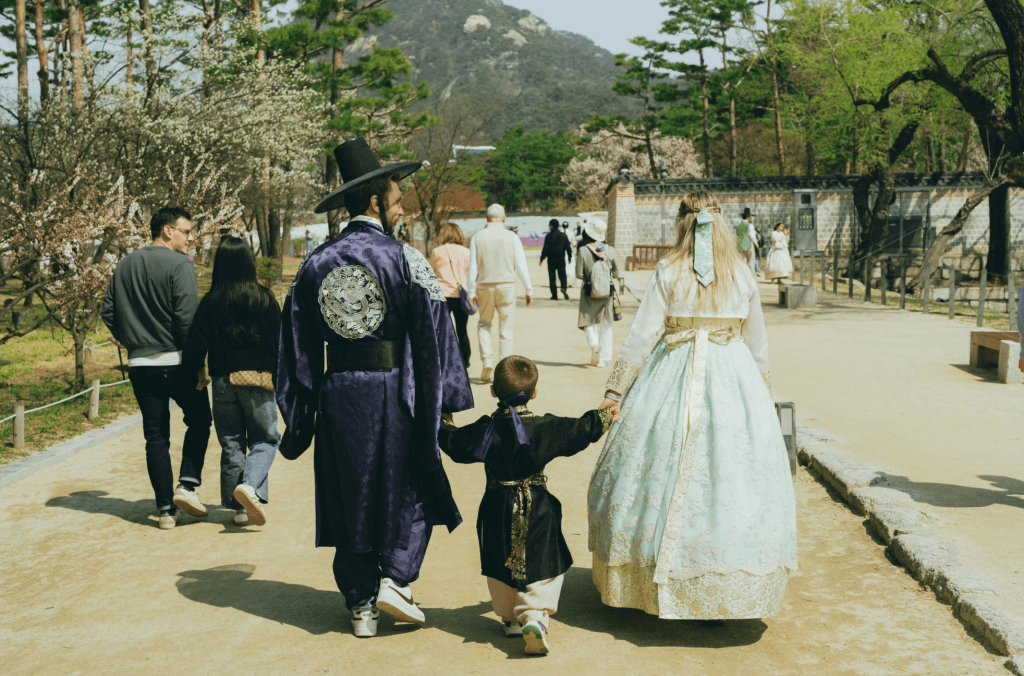
Children’s rentals are usually priced slightly lower than adult sets (₩8,000–₩15,000/~$5–$10/€5–€9 for 2 hours), and many parents rent for the child and forego renting for adults, using the child in hanbok as the focal point of palace photographs.
The dressed-up child walking through palace grounds is a Korean cultural tradition in its own right: first birthday photographs (dolsangsa) and first visit to a palace are often documented in hanbok. Tourist rental shops handle children’s fittings quickly and effectively.
Photography Tips for Hanbok Photos
Gyeongbokgung best spots:
- The main gate (Gwanghwamun) interior courtyard: best in the first 30 minutes after opening before crowds build
- Gyeonghoeru Pavilion, the large pavilion above the pond in the northwest of the grounds
- The Hyangwonjeong pavilion in the gardens to the north of the main halls: smaller, less crowded, beautiful light
Bukchon Hanok Village best spots:
- Gahoe-ro 11-gil (the famous stepped alley with layered rooftops): early morning only; by 10:00 it is crowded
- The viewing platform at the top of the alley for the downhill rooftop shot
- The quieter alleys north of the main street for less-photographed compositions
Changdeokgung best spots:
- The Injeongjeon throne hall forecourt
- The forested paths in the Secret Garden: requires separate ticket but produces genuinely unusual photographs
- The Donhwamun main gate from outside
Lighting: The golden hour after opening (09:00–10:30 at Gyeongbokgung) and before closing (16:30–18:00 in summer) gives warmer light and smaller crowds. Midday light is harsh and the crowds are maximum.
Editor’s Tip: The Gyeonghoeru Pavilion (the large one above the pond) is the best spot in the palace for photographs but also the most crowded. Go there first when you arrive before everyone else does. By 10:30 it is shoulder-to-shoulder.
Weather: Overcast days actually produce better photographs than full sun because there are no harsh shadows and the colours of the hanbok read more evenly. Clear blue sky days are beautiful for the background but can wash out the fabric colours.
Getting to the Hanbok Rental District
By metro: Gyeongbokgung Station (Line 3) Exit 5 for the palace entrance; Exit 4 for most rental shops on Sajik-ro. Anguk Station (Line 3) Exit 3 for Bukchon area shops.
By bus: Numerous bus routes stop at Gyeongbokgung. Routes 109, 151, 172, and 606 all serve the area from central Seoul.
Walking from central Seoul: From Insadong, it is approximately 15 minutes on foot northwest to the palace area. From Cheong Wa Dae (the former presidential residence, now open to the public), it is 10 minutes south.
Summary: Which Shop, How Long, What to Pay
For most visitors, the formula that works best is:
- Shop: Daehan Hanbok or Gigibebe (both on Sajik-ro near Gyeongbokgung Station) for English-friendly service and good garment quality.
- Duration: 2–4 hours for a palace visit plus Bukchon walk; full day if combining multiple palaces.
- Budget: ₩20,000–₩30,000 (~$14–$20/€12–€18) per person for a 2-hour traditional rental with basic hairstyling and accessories.
- Booking: Klook or direct shop website for weekends. Walk-in fine for weekday visits before noon.
The experience is genuinely enjoyable if you approach it with the right expectations. You are not doing a museum exhibit; you are wearing beautiful clothes in a beautiful setting and getting photographs that most tourists do not have. That is worth the two hours and the ₩20,000.
Nearby Attractions After Your Hanbok Experience
Once you are back in your regular clothes and have your photographs, the Gyeongbokgung area offers several worthwhile stops within easy walking distance.
National Museum of Korea (Yongsan, 20 minutes by metro): South Korea’s largest museum, with permanent collections covering archaeology, history, and fine arts. Free entry to the permanent galleries. Well worth half a day if you have time.
Cheong Wa Dae (Blue House): The former presidential residence, opened to the public in May 2022. Free entry. The grounds are extensive and include traditional Korean architecture, gardens, and viewpoints over Bukhansan. Allow 2–3 hours.
Jogyesa Temple: Seoul’s central Buddhist temple, a 10-minute walk from the Insadong area. The main hall is always open and the temple courtyard is full of activity on Buddhist holidays. The lotus lanterns hung during the Lotus Lantern Festival (May) are spectacular.
Gyeongbokgung Night Opening: The palace opens for limited evening viewing on selected dates in spring and autumn. The night illumination of the pavilions and gardens transforms the experience entirely. Tickets sell out extremely quickly: check the Korea Heritage Service website months in advance if you are interested in visiting after dark.
Worth the Two Hours
The hanbok rental shops along Sajik-ro have got the process down to something close to a routine: you walk in wearing whatever you arrived in, twenty minutes later you walk out in silk, and within five minutes you are standing in a 14th-century palace courtyard that was deliberately built for exactly the kind of photograph you are about to take. Few experiences in Seoul compress that much atmosphere into so little planning.
Pick a shop on Sajik-ro rather than the main road, budget four hours if Bukchon is on your list as well as the palace, and go early if you want the courtyards before the coach groups arrive. The rest follows from there.
Prices and availability accurate as of June 2026. Exchange rate: ₩1,500 = $1 USD, ₩1,680 = €1 EUR.
👉 Seoul 3-Day Itinerary: Best Route for First-Time Visitors