
Korea’s travel imagery tends to fall into a few familiar categories: neon city streets, ancient palaces, mountain temples. The rolling green terraces of Boseong and the vast reed-covered wetlands of Suncheon Bay don’t fit any of those categories, and that’s exactly why both have quietly built a following among travelers looking for something that doesn’t look like every other Korea photo. Both sit in South Jeolla Province, in Korea’s southwest, and both made CNN’s list of the 50 most beautiful places to visit in Korea, a reasonable shorthand for how visually distinctive this corner of the country is compared to the rest of the itinerary most visitors follow.
This guide covers how to reach both destinations, what to actually do once you’re there, and how to structure a trip that combines them into a single, genuinely rewarding day or two.
Boseong: Korea’s tea capital

Boseong produces roughly 40 percent of Korea’s domestic green tea, and the terraced hillside plantations that supply that industry have become one of the country’s most photographed rural landscapes, thanks in large part to appearances in popular Korean dramas including The Legend of the Blue Sea and Love in the Moonlight. The tea bushes here stay green year round, which surprises a lot of first-time visitors who assume the fields are a spring or summer-only attraction. Spring and early summer bring the most vivid, freshly trimmed rows and the tea harvest itself, but autumn and even winter visits reveal the same striking terraced pattern under different light and, often, considerably thinner crowds.
Daehan Dawon Tea Plantation is the largest and most visited of Boseong’s tea estates, recognizable by its long rows of tea bushes climbing the hillside alongside a stand of tall cedar trees, a combination that gives the plantation its widely photographed layered look. A walking path winds up through the terraces to an observation area near the top, and the full visit, including time to sit and enjoy tea afterward, generally takes two to three hours at an unhurried pace. Entry runs a modest fee, commonly cited around ₩4,000 for adults.
On site, a café serves fresh local green tea alongside green tea flavored treats, including a well-known green tea ice cream that’s become something of a required stop for visitors, along with various tea-based desserts and light snacks.
Getting to Boseong

By express bus from Seoul
Direct buses run from Seoul’s Central City Terminal to Boseong, taking roughly 4 to 5 hours depending on the specific route and traffic, with tickets in the ₩25,000 to ₩35,000 range. This is a long ride for a single day trip, so most Seoul-based visitors either commit to an overnight stay in the region or combine Boseong with a broader multi-day southwestern Korea itinerary rather than treating it as a rushed round trip.
By train and bus
Taking an SRT or KTX train to Suncheon Station, then a local bus onward to Boseong (roughly 40 minutes to an hour), is often faster and more comfortable than the direct bus option, particularly useful if you’re also planning to visit Suncheon Bay on the same trip.
From Gwangju
Frequent buses connect Gwangju to Boseong roughly every 30 to 50 minutes, taking about 1.5 hours, making Gwangju a practical staging point for travelers approaching from that direction, especially given how many broader Jeolla region itineraries already route through Gwangju.
From Busan
Buses to Gwangju take about 3 hours, followed by the Gwangju to Boseong connection, adding up to a longer but entirely workable route for travelers based in Busan rather than Seoul.
From the Boseong bus terminal to the tea fields: local buses run toward Yulpo Beach and stop near the plantation entrance (look for routes marked toward Bongjae or Daehan Dawon), though service can be infrequent, roughly every 30 to 60 minutes. A taxi from the terminal costs around ₩10,000 to ₩12,000 and takes about 15 minutes, generally the more time-efficient choice for a day trip. Some express bus routes now stop directly at the tea plantation entrance itself, worth checking current schedules for since it can eliminate the local bus or taxi leg entirely.
Suncheon Bay Wetland: Korea’s great tidal reserve

Suncheon Bay is a UNESCO-recognized coastal wetland, one of the largest and best preserved tidal marsh ecosystems in the world, known for its sweeping reed fields, extensive tidal flats, and rich birdlife, including migratory cranes that draw birdwatchers from across the country during the right season. The reserve is particularly known for sunset visits, when the low evening light turns the reed fields and tidal channels a deep gold, a genuinely striking contrast to the bright green of Boseong’s tea terraces earlier in the day.
Suncheon Bay National Garden, adjacent to the wetland reserve, adds a more manicured, internationally themed garden complex to the visit, worth an hour or two if time allows, though the wetland itself remains the main draw for most visitors.
A raised boardwalk trail winds through sections of the reed fields, and a small observation platform on a nearby hill offers a wider panoramic view over the entire wetland, a worthwhile short climb for photographers in particular.
Getting to Suncheon Bay
By train
Suncheon sits on both the KTX and SRT lines, making it one of the more accessible parts of Korea’s deep southwest, roughly 3 hours from Seoul depending on the specific service. From Suncheon Station, local buses or a taxi cover the remaining distance to the wetland reserve.
From Boseong
Local buses connect the two towns in around 40 minutes to an hour, making a combined Boseong plus Suncheon day genuinely practical for travelers with a car or willing to navigate the regional bus network.
From Busan
Roughly 3 hours by bus or a combination of train and bus, comparable to the journey from Seoul in terms of total travel time despite the shorter geographic distance, given the more limited direct transit options in this part of the country.
Combining Boseong and Suncheon into one trip

The two destinations sit close enough together, roughly 30 to 40 minutes apart, that pairing them into a single day makes far more sense than visiting either in isolation, provided your overall travel time from Seoul or Busan already accounts for a longer day. A natural sequence: arrive in the region via Suncheon (given its faster train connection), visit Boseong’s tea fields in the morning or early afternoon when the light and temperature are most comfortable for walking the terraces, then continue to Suncheon Bay in the late afternoon to catch the wetland at golden hour and sunset.
Given how much total travel time this requires from Seoul specifically, most experienced visitors recommend treating a Boseong and Suncheon day as part of a broader 4 to 5 day loop through Korea’s southwestern Jeolla region, rather than a single rushed round trip. A common route adds Gwangju (a regional hub with its own food and cultural scene), the Damyang Bamboo Forest (a striking, easily reached bamboo grove not far from Gwangju), and continues on to Jeonju’s hanok village and Beolgyo, a nearby town known for its cockle clams, rounding out a southwestern itinerary that touches nature, food, and traditional culture without retreading the Seoul to Busan corridor most first-time visitors follow.
Photography tips for both locations

At Boseong, the classic shot looks along the curving rows of tea bushes from partway up the hillside path, and arriving early in the morning, ideally right after opening, avoids both the harsher midday light and the crowds that build by early afternoon on weekends. A slight overcast sky, somewhat counterintuitively, often produces more even, saturated color across the tea rows than a harsh midday sun does. At Suncheon Bay, the observation hill near the reserve entrance gives the widest panoramic view of the reed fields and tidal channels, and timing your visit for roughly 30 to 45 minutes before actual sunset gives the best combination of warm light and still-visible detail across the wetland, since the reserve can get quite dark quickly once the sun fully sets.
How this compares to Korea’s other nature destinations
| Boseong & Suncheon | Seoraksan National Park | Gangneung coast | |
|---|---|---|---|
| Distance from Seoul | ~4 to 5 hours (long) | ~2.5 hours | ~2 hours |
| Character | Terraced tea fields, coastal wetland | Dramatic granite mountains | Beaches and coffee culture |
| Crowds | Light, especially outside spring | Heavy in autumn | Moderate |
| Best for | Unique, less-visited scenery | Serious hiking | A relaxed coastal day |
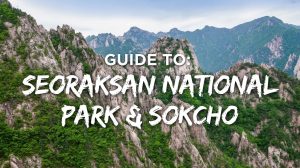
Boseong and Suncheon sit apart from Korea’s other major nature destinations both geographically and in the kind of scenery on offer. Where Seoraksan delivers dramatic, rugged mountain views and Gangneung offers a polished coastal café scene, this southwestern pairing leans into a gentler, more agricultural and wetland-based landscape found nowhere else on Korea’s more typical travel routes.

Guided tours as an alternative
Given the transit complexity involved in reaching this part of the country independently, particularly for a single day trip from Seoul or Busan, a private guided tour is a genuinely practical option many visitors choose instead. Full-day tours covering both Boseong and Suncheon Bay, with round-trip transportation, a driver, and often an English-speaking guide included, are available from both Seoul and Busan, removing the need to coordinate multiple bus and train connections across a long day. This is a reasonable trade-off for travelers with limited time who still want to see both destinations without dedicating several days to independent regional travel.
What a Boseong and Suncheon trip costs
For independent travel from Suncheon as a base, mid-range budget:
- Round-trip local bus between Suncheon and Boseong: roughly ₩12,000 to ₩15,000
- Daehan Dawon Tea Plantation entry: ₩4,000
- Suncheon Bay Wetland entry: a modest fee, typically under ₩10,000
- Food (tea and snacks at Boseong, a seafood or local meal near Suncheon): ₩30,000 to ₩50,000
- Local transport (taxis, buses within each town): ₩15,000 to ₩20,000
Total: roughly ₩60,000 to ₩100,000 ($45 to $75) per person, excluding the longer-distance transport to reach the region from Seoul or Busan in the first place.
A guided full-day tour from Seoul or Busan, including round-trip transportation, typically runs ₩100,000 to ₩180,000 per person depending on group size and whether an English-speaking guide is included, a straightforward way to fold in the significant transit cost and time that independent travel to this region requires.

When to go
Spring (April to May) delivers the greenest, most freshly trimmed tea fields and overlaps with the harvest season at Boseong, making it the most popular and most photographed time to visit. Autumn (October to November) offers a strong alternative, with the tea fields still green against a backdrop of autumn foliage in the surrounding hills, and the start of cockle clam season in nearby Beolgyo if that regional specialty interests you. Summer brings heat and humidity that make an extended walk through Boseong’s terraces considerably less comfortable, though the tea remains green and the wetland’s birdlife is active regardless of season. Winter, somewhat counterintuitively, still delivers green tea terraces given the plant’s year-round growth, and offers noticeably thinner crowds for visitors prioritizing a quiet, uncrowded visit over ideal walking weather.
Frequently asked questions
Is Boseong worth the long travel time from Seoul? For a single rushed day trip, the roughly 8 to 10 hour round trip transit time is a genuine deterrent. It makes far more sense as part of a multi-day southwestern Korea itinerary, or via a guided tour that handles the logistics, than as an isolated day trip squeezed into a Seoul-based schedule.
Can I visit Boseong and Suncheon Bay without a car? Yes, both are reachable by a combination of train and local bus, though service between the two towns specifically can be infrequent, making careful schedule planning or a taxi for the connecting leg worthwhile.
Is Suncheon Bay better at sunrise or sunset? Sunset is more commonly recommended and more widely photographed, with the low evening light turning the reed fields a distinctive gold. Sunrise is a quieter, less crowded alternative for early risers, though the wetland’s golden hour reputation rests primarily on its evening light.
How long should I spend at each location? Two to three hours at Boseong’s Daehan Dawon plantation covers a comfortable, unhurried visit, including time for tea and photos. Suncheon Bay similarly rewards two to three hours, including the boardwalk trail and the observation hill for the panoramic view, longer if birdwatching or photography are specific priorities.
Is this trip suitable for a first-time visitor to Korea? It’s better suited to a second trip or a longer first visit of a week or more, given the significant travel time from Seoul or Busan and the more independent, less English-signposted nature of the region compared to Korea’s major cities. First-timers with limited days are generally better served prioritizing Seoul and Busan first.
Is Beolgyo worth adding to the trip? If cockle clams or a slower-paced fishing town appeal, yes. Beolgyo sits close to both Boseong and Suncheon and is easily folded into the same regional loop, particularly during autumn when cockle season is at its best, adding another distinct food experience to a trip already built around unusual scenery.
What should I wear or bring for a Boseong and Suncheon day? Comfortable walking shoes matter at both locations, since Boseong’s paths climb a genuine hillside and Suncheon Bay’s boardwalk and observation hill both involve extended walking. A hat and sunscreen are worth having for Boseong specifically, given how exposed the open tea terraces are to direct sun for most of the day, and a light jacket helps for an evening visit to Suncheon Bay, since temperatures near the water can drop noticeably after sunset even outside the colder months.
Boseong and Suncheon Bay reward the effort it takes to reach them precisely because that effort keeps the crowds thinner than almost anywhere else on Korea’s more established itinerary. For travelers willing to build a longer, less conventional route through the country’s southwest, the payoff is a version of Korean scenery that looks like nowhere else on the standard trip.