
Busan packs an extraordinary amount into one coastal city: turquoise beaches, cliffside temples, enormous seafood markets, and neighborhoods bursting with street art and street food.
If you’re wondering what to actually do once you arrive, this guide breaks down the best activities and experiences in Busan, organised so you can build your itinerary around what excites you most.
Beach Activities and Coastal Experiences
Busan is known for its coastline, and the beaches here range from busy, resort-style areas to quieter hidden spots.
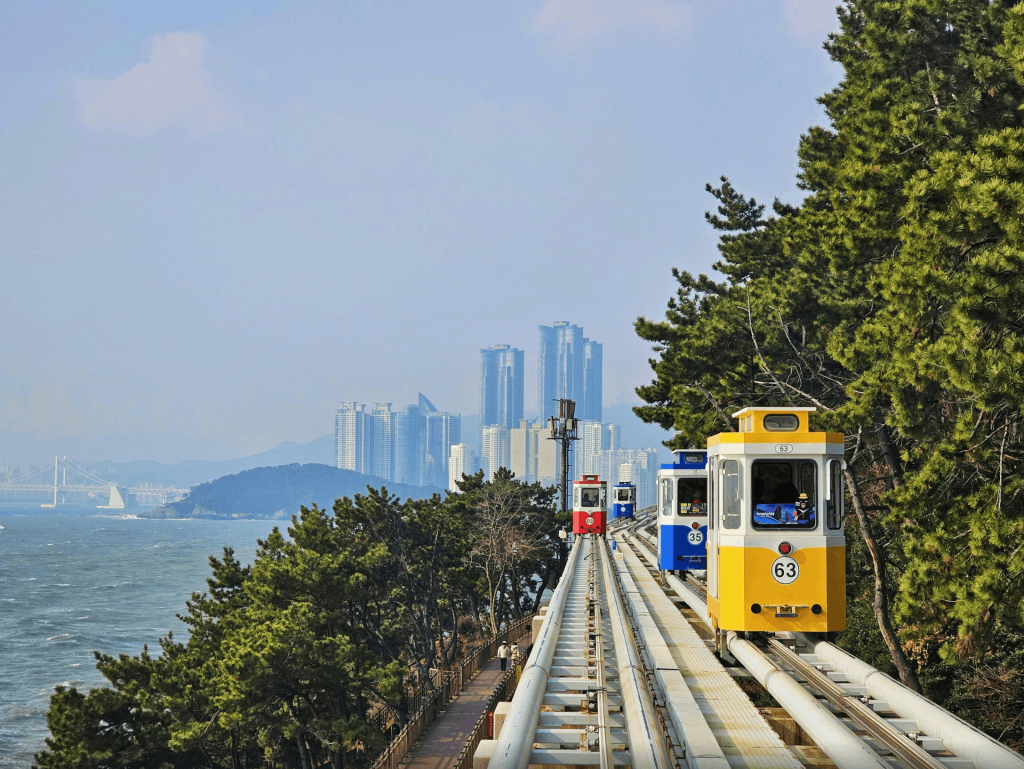
Haeundae Beach is the most popular. It’s a long stretch of sand with hotels, cafés, and seafood restaurants behind it. In summer it gets very busy, but the atmosphere is lively and fun. Just above the beach, Haeundae Blueline Park runs along old train tracks, with sky capsules (small gondolas for two people) and a beach train with ocean views. Book at least one day in advance, as it sells out quickly.
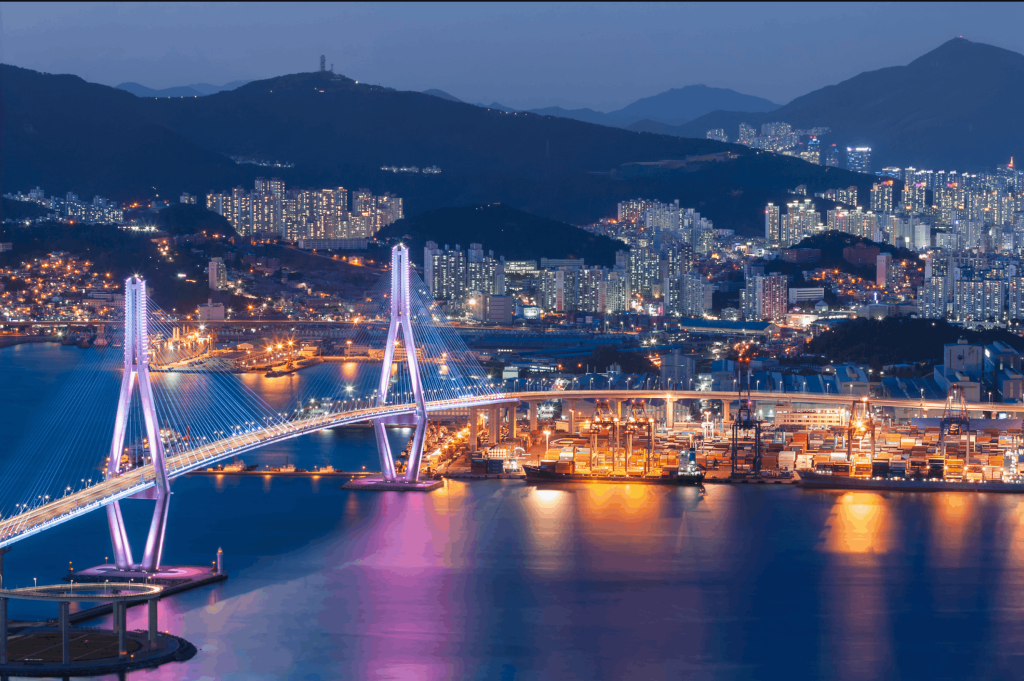
Gwangalli Beach is more popular with locals. It’s smaller and quieter than Haeundae, but the view of Gwangan Bridge, especially at night when it’s lit up, makes it one of the most beautiful spots in the city.
Songjeong Beach, a 10-minute drive east of Haeundae, is Busan’s surfing beach. Smaller waves make it ideal for beginners, and board rentals are cheap (around ₩20,000 for two hours).
For something more scenic, head to Igidae Coastal Walk. This cliffside path connects several parks along the coast. The 5 km walk takes about two hours and offers great sea views with fewer crowds.
Temples, Villages, and Cultural Highlights
Haedong Yonggungsa Temple is one of the most beautiful places to visit in Busan. It sits on cliffs by the ocean in the northeast of the city, which makes it very different from the mountain temples you see in other parts of Korea. Try to go early since after 10 AM, the small paths get crowded with tour groups.
Gamcheon Culture Village is Busan’s famous hillside neighborhood full of color. You’ll find street art, small sculptures (including the Little Prince), and tiny galleries inside old houses. Plan about 1.5 to 2 hours to walk around and explore the alleys.
Beomeosa Temple, located in the mountains north of the city, is a quieter option compared to Yonggungsa. It was built in 678 AD and is one of Korea’s most important Buddhist temples. It’s also surrounded by hiking trails in Geumjeongsan Mountain.
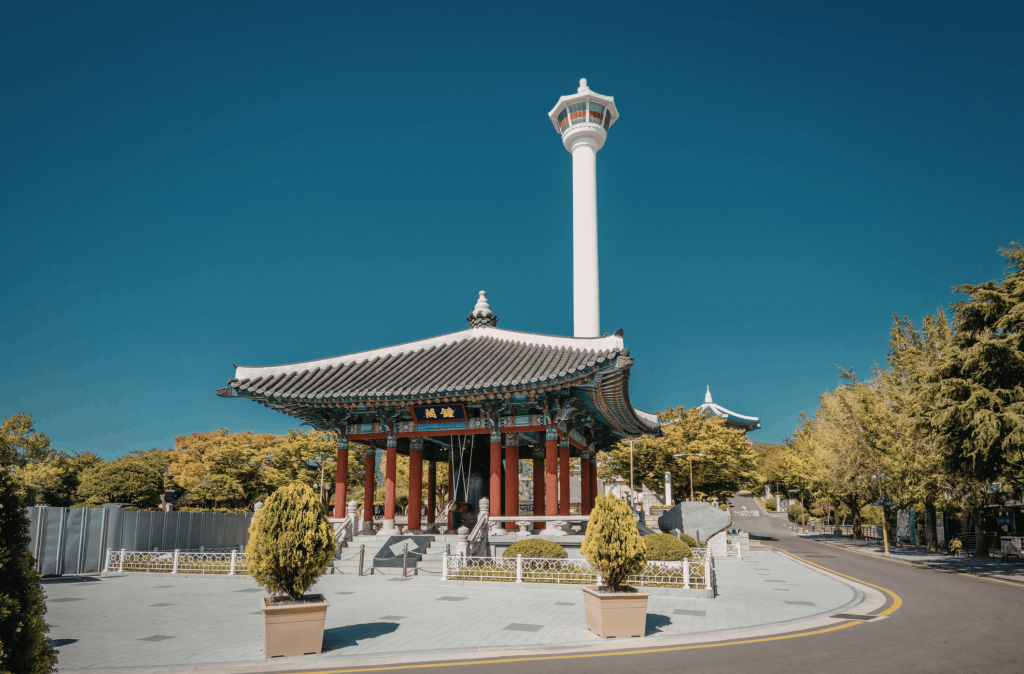
Yongdusan Park is in the center of the city and sits on a hill with views over Busan Port and the old downtown area. Inside the park, Busan Tower offers 360-degree views. The park is free to enter, and tickets for the tower cost ₩12,000.
👉 Busan, South Korea: Complete Travel Guide
Markets, Street Food, and Night Markets
Busan’s market culture rivals Seoul’s, and the focus on seafood gives it a distinct character.
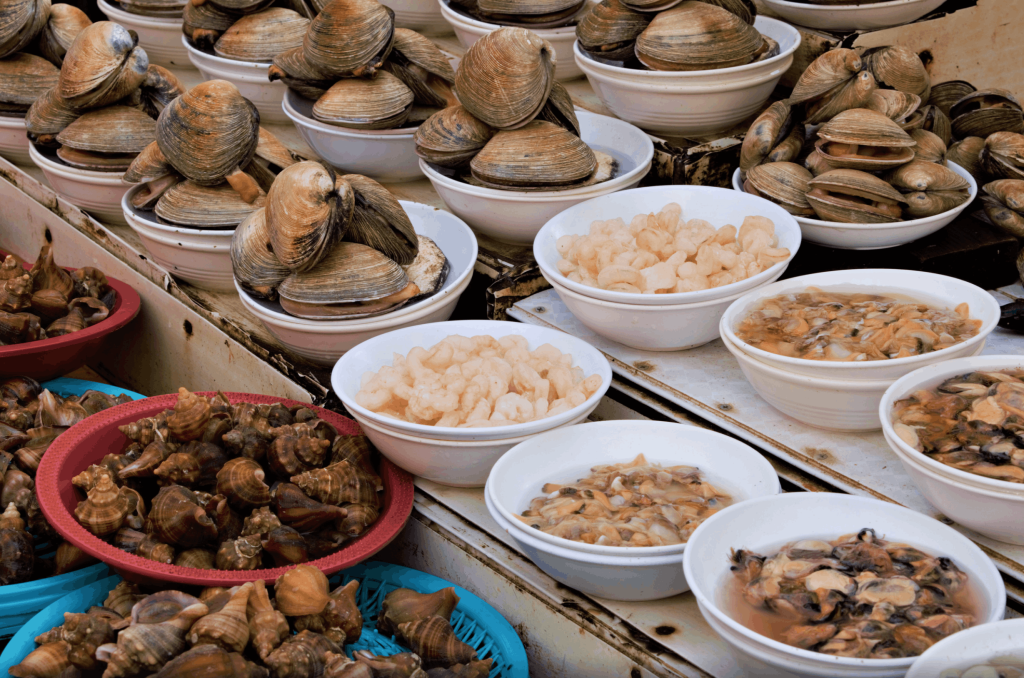
Jagalchi Fish Market is the most famous one, and the largest seafood market in Korea, right by the sea. On the ground floor, you’ll see tanks full of live octopus, crabs, prawns, and many types of fish. You can pick what you want, agree on a price, and have it cooked fresh for you upstairs.
BIFF Square close to Jagalchi, is the best place in Busan for street food. The must-try here is ssiat hotteok, sweet pancakes filled with seeds like sunflower and pumpkin, a Busan specialty.
Gukje International Market is right next to BIFF Square and spreads across several covered streets. Inside, you’ll find a great food area with simple and affordable Korean dishes.
Haeundae Night Market is newer but worth visiting in the evening, especially if you’re staying near the beach.
👉 Best Things to Do in Seoul 2026
👉 Where to Buy Electronics in Seoul
Outdoor Adventures and Day Trips from Busan
Taejongdae Park sits on a cliff-lined peninsula at Busan’s southern tip. A scenic train (Danubi Train) loops through the forested park, stopping at viewpoints including a lighthouse where, on clear days, you can see Japan.
Geumjeongsan Mountain is Busan’s highest peak and home to Korea’s largest mountaintop fortress wall. Multiple trails lead to the summit (801 m). Allow 3-4 hours round trip for a moderate hike.
Oryukdo Skywalk is a glass-bottomed platform jutting out over the sea. It’s free, quick (5-10 minutes), and gives a vertiginous view straight down into the waves crashing below.
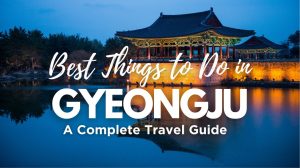
For a day trip, Tongyeong (1.5 hours by bus) is a gorgeous coastal town. Gyeongju (1 hour by train), the ancient Silla dynasty capital, is Korea’s open-air museum.
Frequently Asked Questions
Q: What are the best free things to do in Busan?
A: Plenty! Beaches like Haeundae, Gwangalli, and Songjeong are all free to access and perfect for relaxing or walking. Gamcheon Culture Village has free entry, though some small exhibits charge a fee. Haedong Yonggungsa Temple is also free, as is the Igidae Coastal Walk. Even wandering around BIFF Square and Jagalchi Market costs nothing unless you decide to eat. Many of Busan’s best experiences, views, walks, atmosphere, don’t require a ticket.
Q: How many days in Busan is enough?
A: Three days hits the sweet spot for most travelers. Day 1 can focus on beaches and the Blueline Park area. Day 2 is ideal for temples and Gamcheon Culture Village. Day 3 can be dedicated to markets, street food, and a visit to Taejongdae or a short hike. If you have four or five days, you can explore more slowly or add a day trip like Gyeongju or Tongyeong.
Q: Is Busan good for solo travellers?
A: Absolutely. The city is safe, easy to navigate by subway and bus, and has a welcoming vibe. Many areas, especially markets and beaches, are lively and comfortable to explore alone. There are also plenty of cafés and casual restaurants where dining solo feels natural.
Q: What is the best time of year to visit Busan?
A: Spring (April–June) and autumn (September–November) are the most pleasant, with mild temperatures and clear skies. Summer is great for beach activities but can be hot, humid, and crowded. Winter is quieter and still enjoyable, especially for food and cultural sightseeing, though it can be chilly by the sea.
Final Tips
Busan moves at its own pace, and the best approach is to match it. Don’t try to cram every attraction into one day, instead, pick a neighborhood, explore it thoroughly, eat at the places that have lines, and leave room for the unplanned detour. Busan isn’t just a side trip from Seoul, it’s a destination in its own right.