Korean sunscreen is not a trend. It is a product category that has quietly set the global standard for what daily sun protection can feel like. The formulas coming out of Korea in 2026 are lighter, more skin-like, and more technically sophisticated than most of what you will find in European or American pharmacies, and the prices are a fraction of comparable Western SPF products.
If you are visiting Korea and planning to buy sunscreen, this guide covers the best options available at Olive Young and other retailers in 2026, organised by skin type, texture preference, and budget. It also explains how the Korean SPF rating system works, why Korean sunscreens feel different from Western ones, and what to actually look for on the packaging.
Why Korean Sunscreen Is Worth the Attention
Korean dermatology has a strong cultural emphasis on UV protection. Daily SPF use is not a beach activity in Korea: it is a morning step in the routine, applied after moisturiser and before makeup, every day regardless of weather. This has driven the Korean cosmetics industry to develop sunscreen formulas that genuinely feel like skincare rather than a functional barrier cream you tolerate.
The key technical difference is in the UV filter system. Korean sunscreens commonly use newer-generation chemical filters: particularly tinosorb, uvinul, and mexoryl compounds: that provide broad-spectrum protection without the heavy, greasy texture that older zinc oxide and titanium dioxide formulas often produce. Korean regulatory standards also permit higher concentrations of some newer filters not yet approved in the US, which means Korean formulas can achieve SPF50+ PA++++ protection in a much lighter base.
The result is sunscreens that absorb in 20–30 seconds, leave no white cast, do not pill under makeup, and feel genuinely comfortable to wear all day.
How to Read Korean SPF Labels
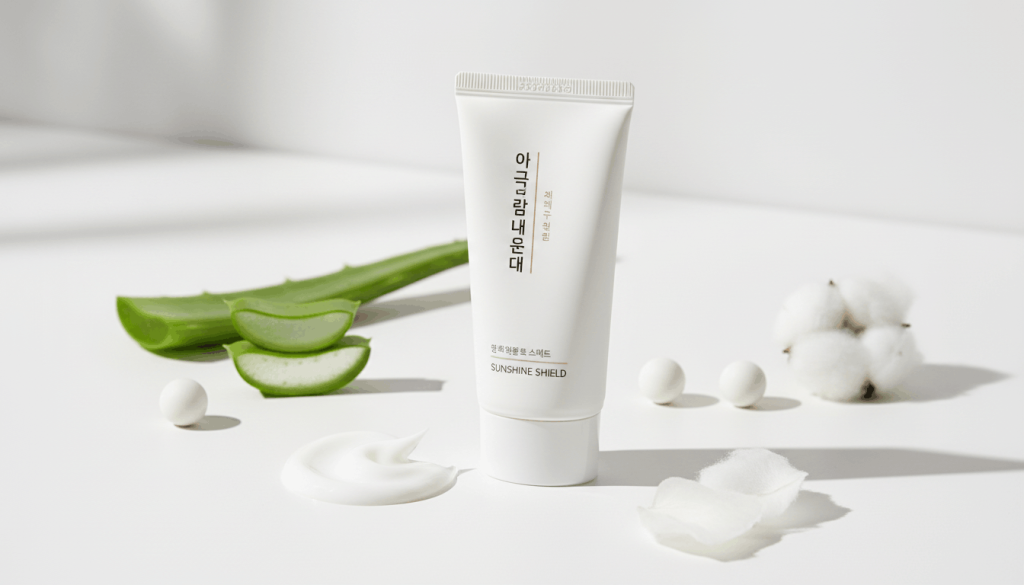
Before buying, it helps to understand what the numbers and symbols mean.
SPF (Sun Protection Factor) measures protection against UVB rays, which cause sunburn. SPF50+ is the highest standard marketed in Korea and blocks approximately 98% of UVB.
PA (Protection Grade of UVA) measures protection against UVA rays, which cause tanning, premature ageing, and contribute to skin cancer. The PA system uses plus signs:
- PA+ = some protection
- PA++ = moderate protection
- PA+++ = high protection
- PA++++ = very high protection
In Korea, virtually every sunscreen marketed for daily use is rated SPF50+ PA++++. If you see a product with a lower PA rating, it is either an old formulation or a budget option. For daily face use, aim for SPF50+ PA++++ on both counts.
제조 / 까지: These characters on the packaging indicate manufacturing date (제조) and expiry date (까지) respectively, formatted as YYYY/MM/DD. Always check these before buying, particularly on older stock.
Best Korean Sunscreens by Skin Type (2026)
For Dry and Normal Skin
Beauty of Joseon Relief Sun: Rice + Probiotics SPF50+ PA++++
Price: ₩18,000 (~$12/€11) for 50ml. Verified May 2026.
This has been the number one selling Korean sunscreen globally for over two years and the position is earned. The formula uses a combination of rice extract (30%), fermented grain extracts, and probiotic complex to deliver SPF protection within a base that genuinely nourishes rather than strips the skin. The finish is slightly luminous: not glowy in a dramatic way, but the kind of healthy-looking finish that makes your skin look like your skin, only better.
Texture: creamy but lightweight, absorbs without stickiness, no white cast on light to medium skin tones. For darker skin tones there is a very faint cast on first application that disappears within a minute.
It layers cleanly under makeup and does not pill, which is a persistent problem with many sunscreens applied under foundation. During summer in Seoul, it holds up without feeling heavy even in humidity.
Author’s Take: This is the sunscreen I buy in doubles every time I visit Seoul. It sells out at the Myeongdong and Hongdae branches by early afternoon during peak tourist season. Buy it early in your trip, not at the end. The 1+1 promotional sets appear regularly at Olive Young and cut the effective price to ₩9,000 per tube.
Round Lab Birch Juice Moisturising Sun Cream SPF50+ PA++++
Price: ₩22,000 (~$15/€13) for 50ml. Verified May 2026.
The birch sap base formula is the other perennial bestseller in Korea’s sun care category. Where the Beauty of Joseon sits slightly more on the luminous side, Round Lab’s formula is more of a true moisturiser-sunscreen hybrid: richer, more hydrating, and particularly useful for dry skin in cold weather or air-conditioned environments.
The finish is slightly dewy rather than glowy. It leaves the skin feeling soft and comfortable for several hours without reapplication. Works well as a moisturiser substitute for dry skin types on lighter days.
Author’s Tip: This is my go-to for winter trips to Seoul and for long days of walking when the skin tends to dry out. For summer humidity, the Beauty of Joseon feels lighter. But if your skin runs dry or tight, this is the better daily option.
AESTURA Derma UV 365 Barrier Hydro Mineral Sunscreen SPF50+ PA++++
Price: ₩25,000 (~$17/€15) for 50ml. Verified May 2026.
A newer entry that has gained significant traction in 2026, particularly among dermatology-focused consumers. The formula uses a hybrid filter system with a ceramide-rich base that supports the skin barrier while protecting it. Particularly well-suited for dry or damaged skin, post-procedure skin, or anyone who finds standard chemical sunscreens irritating.
Texture is slightly thicker than the two options above but absorbs well. The barrier-repair angle makes it worth the price premium for those with compromised or sensitive skin.
For Oily and Combination Skin
Isntree Hyaluronic Acid Watery Sun Gel SPF50+ PA++++
Price: ₩18,000 (~$12/€11) for 50ml. Verified May 2026.
The best sunscreen for oily skin currently available at Olive Young. The gel texture sinks in within seconds and leaves a genuinely matte finish without drying the skin out. Hyaluronic acid keeps it comfortable throughout the day without the slick sheen that bothers oily skin types with cream-based SPF formulas.
During extended outdoor wear (theme parks, hiking, beach days), it holds up better than most Korean sunscreens in its price range. Reapplication does not feel heavy or congested.
Author’s Take: This is the one I recommend to friends who say Korean sunscreens feel too dewy or luminous for their skin. The watery gel format is a completely different experience from the cream-based formulas. It genuinely does not feel like a sunscreen.
Skin1004 Madagascar Centella Hyalu-Cica Water-Fit Sun Serum SPF50+ PA++++
Price: ₩20,000 (~$13/€12) for 50ml. Verified May 2026.
A serum-texture sunscreen with centella asiatica as the hero ingredient. Centella is well-established in Korean skincare for its anti-inflammatory and barrier-calming properties, making this formula particularly useful for acne-prone and reactive skin that struggles with standard SPF products.
The serum finish means zero greasiness, quick absorption, and a natural skin-like texture. It has become one of the fastest-growing sunscreens at Olive Young over the past year, particularly among consumers who find cream SPF products trigger breakouts.
Author’s Tip: If you have acne-prone skin and have been struggling to find a daily SPF that does not break you out, this is the one to try first. The centella base is calming enough that most reactive skin types tolerate it well. It is also excellent for reapplication over makeup during the day because the serum texture blends without disturbing the base.
Cell Fusion C Laser UV Sunscreen SPF50+ PA++++
Price: ₩28,000 (~$19/€17) for 35ml. Verified May 2026.
A dermatologist-developed formula originally designed for post-procedure skin (laser, chemical peel, microneedling) that has crossed over into everyday use for oily and sensitive skin types. The formula is stripped back: no fragrance, no essential oils, minimal actives beyond the UV filters and soothing base.
More expensive per ml than the other options, but the formulation is one of the most stable and irritant-free available. Worth the price for those with reactive skin that does not tolerate most commercial formulas.
For Sensitive and Reactive Skin
Beauty of Joseon Matte Sun Stick: Mugwort + Camelia SPF50+ PA++++
Price: ₩15,000 (~$10/€9). Verified May 2026.
Sun sticks are a format that barely exists in Western sun care but is extremely popular in Korea for targeted reapplication without disturbing makeup. This solid stick formula uses mugwort (known for anti-inflammatory properties in Korean skincare) and camellia oil in a matte finish that is clean to apply with no mess.
Particularly useful for nose, forehead, and cheekbone reapplication mid-day without needing to remove makeup or apply a cream over the top of an already full face.
Author’s Take: I started using sun sticks for reapplication a few years ago and I will not go back to sprays or cream reapplication. The stick format is cleaner, more precise, and completely non-disruptive. This one leaves a matte finish that works over most Korean base products without caking. Buy one in addition to your main morning sunscreen.
Purito Daily Go-To Sunscreen SPF50+ PA++++
Price: ₩15,000 (~$10/€9) for 60ml. Verified May 2026.
One of the best value-for-money sunscreens currently at Olive Young. The formula uses an entirely physical (mineral) filter system: zinc oxide and titanium dioxide: making it suitable for those who cannot tolerate any chemical UV filters. The typical problem with mineral sunscreens is white cast and thick texture, but Purito’s formulation manages both reasonably well for light to medium skin tones.
Not completely white-cast-free on darker skin tones, which is the honest trade-off with any mineral-only formula. But for those who need chemical-filter-free SPF, this is the best-performing option at this price point.
G Green Mild Up Sunscreen SPF50+ PA++++
Price: ₩20,000 (~$13/€12) for 50ml. Verified May 2026.
Another mineral-filter option with a more sophisticated texture than the Purito. Uses zinc oxide and titanium dioxide in a lightweight base with no fragrance, no alcohol, and a simplified ingredient list. Developed specifically for sensitive and allergy-prone skin.
The white cast is minimal for a mineral formula but still visible on deeper skin tones. Best suited for fair to medium skin types who need a clean, allergen-free SPF.
Best Sunscreen for Travel and Reapplication
Beauty of Joseon Matte Sun Stick: Mugwort + Camelia (covered above)
Skin1004 Hyalu-Cica Moisture Sun Capsule SPF50+ PA++++
Price: ₩22,000 (~$15/€13) for 30ml. Verified May 2026.
A compact 30ml version specifically designed for travel and bag-carry reapplication. The capsule format is easy to open, apply, and seal mid-day. Good for the handbag rather than as your main morning product.
Sunscreen Comparison Table
All products verified at Olive Young Seoul, May 2026. Prices in KRW; USD/EUR at ₩1,500/$1 and ₩1,680/€1.
| Product | Price | Texture | Finish | Best for | White cast? |
|---|---|---|---|---|---|
| Beauty of Joseon Relief Sun | ₩18,000 (~$12/€11) | Cream | Luminous | Dry/normal | Minimal |
| Round Lab Birch Juice Sun Cream | ₩22,000 (~$15/€13) | Cream | Dewy | Dry/normal | None |
| AESTURA Barrier Hydro Mineral | ₩25,000 (~$17/€15) | Cream | Natural | Dry/damaged | Minimal |
| Isntree Watery Sun Gel | ₩18,000 (~$12/€11) | Gel | Matte | Oily/combo | None |
| Skin1004 Centella Sun Serum | ₩20,000 (~$13/€12) | Serum | Natural | Acne-prone | None |
| Cell Fusion C Laser UV | ₩28,000 (~$19/€17) | Fluid | Natural | Post-procedure | None |
| Purito Daily Go-To | ₩15,000 (~$10/€9) | Cream | Natural | Sensitive/mineral | Slight |
| G Green Mild Up | ₩20,000 (~$13/€12) | Cream | Natural | Sensitive/mineral | Slight |
| BOJ Matte Sun Stick | ₩15,000 (~$10/€9) | Solid | Matte | Reapplication | None |
How to Use Korean Sunscreen Correctly
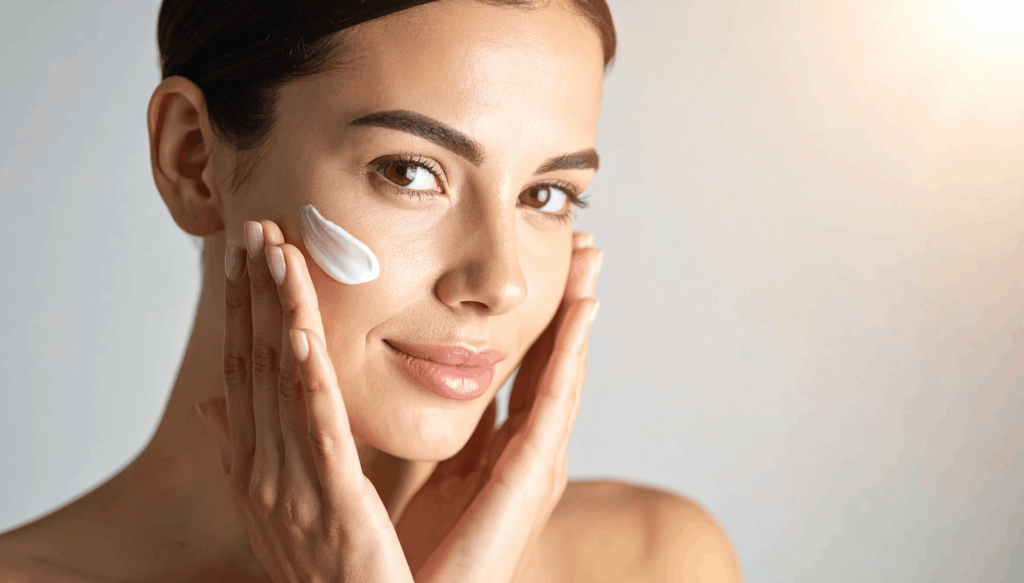
Most people underapply sunscreen. The SPF rating on a product is tested at 2mg/cm², which for the average face is about a quarter teaspoon (approximately 1.2ml). Most people apply a fraction of this, which means the real-world protection is considerably lower than the label suggests.
Practical rule for face: Apply a generous layer that covers the face, neck, and ears. It should feel noticeable when you first apply it. If it absorbs instantly without any sensation, you have not applied enough.
Layering with other skincare: Apply sunscreen as the last skincare step before makeup or going outside. Allow 1–2 minutes for the formula to settle before applying foundation or tinted moisturiser. Korean sunscreens are specifically formulated to work under makeup without pilling, but allowing brief settle time prevents disruption.
Reapplication: For extended outdoor exposure, reapply every 2 hours. The sun sticks make this practical. If you are indoors in an office with no direct sun exposure, morning application is sufficient for most people.
Storage: Keep sunscreen away from direct heat and sunlight. A sunscreen left in a hot car will degrade in texture and efficacy. The same applies to products left on a window sill.
Where to Buy Korean Sunscreen in Seoul
Olive Young is the primary destination. The Central Myeongdong branch has the fullest range, with a dedicated sun care section that includes most of the products above. The bestsellers are grouped together near the entrance of the skin care floor. During summer (June–August), buy early in your trip: the Beauty of Joseon and Round Lab consistently sell out by mid-afternoon at Myeongdong and Hongdae branches during peak tourist season.
Prices at Olive Young vs overseas: Buying Korean sunscreen in Korea is significantly cheaper than buying it internationally. The same 50ml tube of Beauty of Joseon Relief Sun costs ₩18,000 (~$12/€11) at Olive Young Seoul, compared to £14–£18 in the UK, $18–$22 in the US, and €15–€20 in Europe. The 1+1 promotional sets available in-store cut the price further and are rarely available internationally.
Editor’s Tip: The Olive Young app (domestic version) shows which stores currently have 1+1 promotions running on sun care products. If you cannot access the app, ask staff at the counter. Promotions change monthly, but sun care products are almost always included in the Olive Day sale on the 3rd of each month.
Packing Sunscreen for the Journey Home
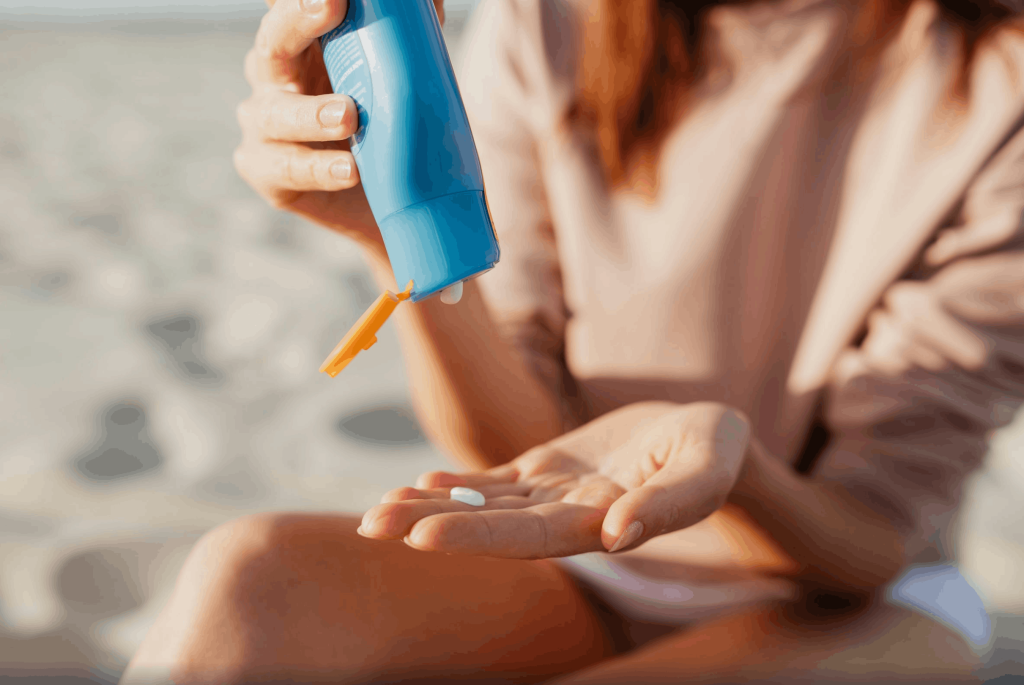
Korean sunscreen tubes are typically 50ml, which sits just at the carry-on liquid limit (100ml containers). A single tube fits in your 1L liquids bag. Multiple tubes need to go in checked luggage.
Items to note:
- Tubes of 50ml are compliant with carry-on rules and fit in the 1L bag with room for other liquids.
- Sun sticks (solid format) are not classified as liquids and do not count toward your 1L allowance.
- 60ml and 75ml tubes (some formulas come in larger sizes) must go in checked luggage.
- If you have bought multiple sunscreens and are tight on luggage space, consolidating them into a single bag rather than distributing across your luggage makes customs checks simpler.
Frequently Asked Questions
Is Korean sunscreen safe for sensitive skin? Most Korean SPF formulas are developed with sensitive skin in mind. Products using centella, mugwort, or a simplified ingredient list (Purito, Cell Fusion C) are the most reliable for reactive skin. Avoid formulas with high fragrance content: most of the products listed above are fragrance-free or lightly scented.
Can I use Korean sunscreen on my body as well as my face? Yes, though most of the products above are formulated for facial use and are expensive per ml for full-body application. For body use, Korean pharmacies and Olive Young stock larger-format sun creams at lower price points. The Coppertone and Biore sun care ranges available at Korean pharmacies offer effective body protection at ₩8,000–₩15,000 (~$5–$10/€5–€9) for 200ml+.
Do Korean sunscreens work for dark skin tones? Chemical-filter Korean sunscreens (the majority of those listed above) leave no white cast and work well across all skin tones. Mineral-filter options (Purito, G Green) have some white cast on deeper skin tones and are less suitable. Stick with chemical or hybrid formulas if white cast is a concern.
Is SPF50+ actually necessary every day? Korean dermatologists recommend SPF30+ minimum for daily indoor-outdoor movement and SPF50+ for extended outdoor time. Given the price difference between SPF30 and SPF50+ in Korean sunscreens (minimal), defaulting to SPF50+ PA++++ is the standard recommendation.
Why does my Korean sunscreen peel or ball up under makeup? Pilling usually happens when sunscreen has not fully absorbed before foundation is applied, or when the sunscreen and foundation have incompatible formulas. Allow 2 minutes after applying sunscreen before applying any base product. If pilling persists, try a different sunscreen formula: gel-texture options like Isntree generally have fewer pilling issues under makeup.
Where can I check expiry dates on Korean packaging? Look for a stamped date on the bottom or crimp of the tube. The characters 제조 (je-jo) indicate manufacturing date and 까지 (kka-ji) indicate expiry, both formatted YYYY/MM/DD.
Prices verified at Olive Young Seoul branches in May 2026. Exchange rate: ₩1,500 = $1 USD, ₩1,680 = €1 EUR. Always check current prices on the Olive Young Global website or in-store before purchasing.
👉 Olive Young Shopping Guide for Tourists 2026
👉 Where to Buy Korean Cosmetics in Seoul
👉 Myeongdong Shopping Guide 2026
Korean Sunscreen vs Western Sunscreen: What Is Actually Different?
This question comes up constantly and it is worth addressing directly rather than just saying “Korean sunscreens are better.”
The honest answer is that Korean and Western sunscreens use different regulatory frameworks for UV filters, which produces genuinely different formulas.
In the United States, the FDA has been slow to approve newer UV filter compounds. As a result, most American sunscreens still rely on older-generation filters like avobenzone, oxybenzone, octinoxate, and zinc oxide or titanium dioxide. These work, but they come with known trade-offs: avobenzone degrades in sunlight and requires stabilisers; oxybenzone has raised concerns about hormone disruption (though at topical concentrations this remains debated); mineral filters often produce white cast.
In Korea and the EU, newer filter compounds are approved including tinosorb S (bisoctrizole), tinosorb M (methylene bis-benzotriazolyl tetramethylbutylphenol), and mexoryl SX and XL. These are photostable, have excellent UVA coverage, and work at lower concentrations: which leaves more of the formula available for skin-beneficial ingredients rather than just UV blockers. The result is a sunscreen that can achieve SPF50+ PA++++ protection while feeling like a serum or moisturiser rather than a thick, greasy sun product.
This is not a Korean formulation secret. It is a regulatory difference. Korean brands have also invested heavily in cosmetic elegance: texture, finish, skin feel: because the competitive market at Olive Young (over 2,500 brands competing for shelf space) means a sunscreen that feels unpleasant will not survive more than a season.
Author’s Take: I switched to Korean sunscreen for daily use several years ago and I have not used a Western formula for my face since. The practical difference in daily wearability is significant. I wear SPF every day now because the product does not feel like a barrier I am tolerating. That is the real value of Korean sunscreen: it removes the friction from a habit that genuinely matters for long-term skin health.
Sunscreen in the Korean Skincare Routine
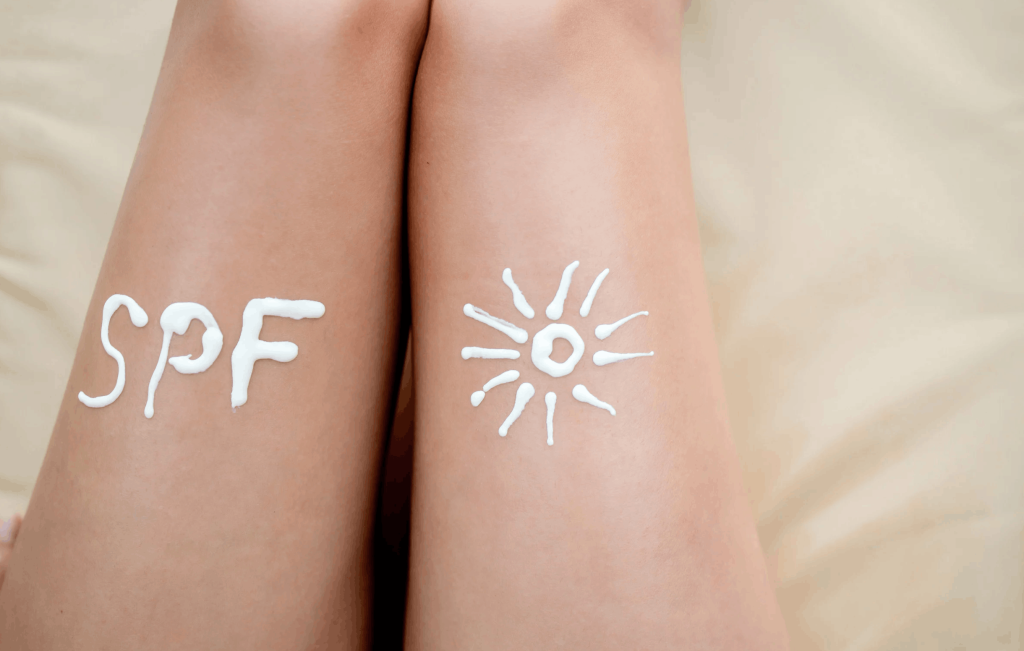
For those new to Korean skincare, sunscreen sits at the end of the morning routine as the final step before any colour products.
The standard sequence:
- Cleanser
- Toner
- Essence or serum (optional)
- Moisturiser
- Sunscreen
- Primer/foundation if using
Sunscreen goes on last because it needs to form a film on the skin surface to work. Applying anything on top of it (other than makeup) dilutes its efficacy. Some people skip the moisturiser on hot or humid days and rely on the sunscreen’s hydrating base for moisture: this works well with the Round Lab and Beauty of Joseon formulas, both of which have sufficient moisturising ingredients to function as a single step for normal skin in warm weather.
At night, sunscreen is removed with your first cleanser (oil cleanser or balm cleanser ideally, followed by a water-based cleanser). SPF products need to be properly removed: leaving SPF residue on the skin overnight can clog pores, particularly with cream-texture formulas.
Seasonal Considerations for Korean Sunscreen Use
Spring (March–May): UV index rises from March onward. Comfortable wearing conditions. Most Korean sunscreens perform well in the mild humidity and temperatures. A good time to experiment with new formulas before summer heat stress-tests them.
Summer (June–August): The most demanding season. High UV index combined with high humidity and heat. Gel-texture options (Isntree) and serum formulas (Skin1004) perform better in summer because cream formulas can feel heavy and greasy as the day heats up. Reapplication is more important in summer: the combination of sweat and oil breaks down the SPF film faster.
Autumn (September–November): Similar conditions to spring. Comfortable wearing, good test conditions for new formulas.
Winter (December–February): UV index drops but UVA remains present year-round and is the primary driver of skin ageing. The Round Lab birch juice formula is particularly well-suited to winter because its moisturising base prevents the dry, tight feeling that some sunscreens produce in cold, low-humidity conditions. Do not skip SPF in winter: the UVA is still there even when the sky is grey.
Which Sunscreen Should You Actually Buy?
If you read nothing else in this guide: buy the Beauty of Joseon Relief Sun if your skin is normal to dry, the Isntree Watery Sun Gel if you run oily, and a sun stick for reapplication regardless of skin type. Those three products cover the vast majority of skin concerns at a combined cost under ₩40,000 (~$27/€24), and all three are sold at every Olive Young branch in Seoul.
The deeper point of this guide is not any single product recommendation. It is that Korean sunscreen is built on a different regulatory foundation to what most visitors are used to at home, and that difference is the reason the textures feel so unlike the SPF you have tolerated for years rather than wanted to wear. Buy two tubes of whatever works for your skin, not one: it sells out, and the version you find at home, if you find it at all, will cost two to three times as much.
This guide was last updated June 2026. Prices and product availability change seasonally. Always verify current stock and pricing at your local Olive Young branch or on the Olive Young Global website before purchasing. Exchange rate: ₩1,500 = $1 USD, ₩1,680 = €1 EUR.
👉 Olive Young Shopping Guide for Tourists 2026