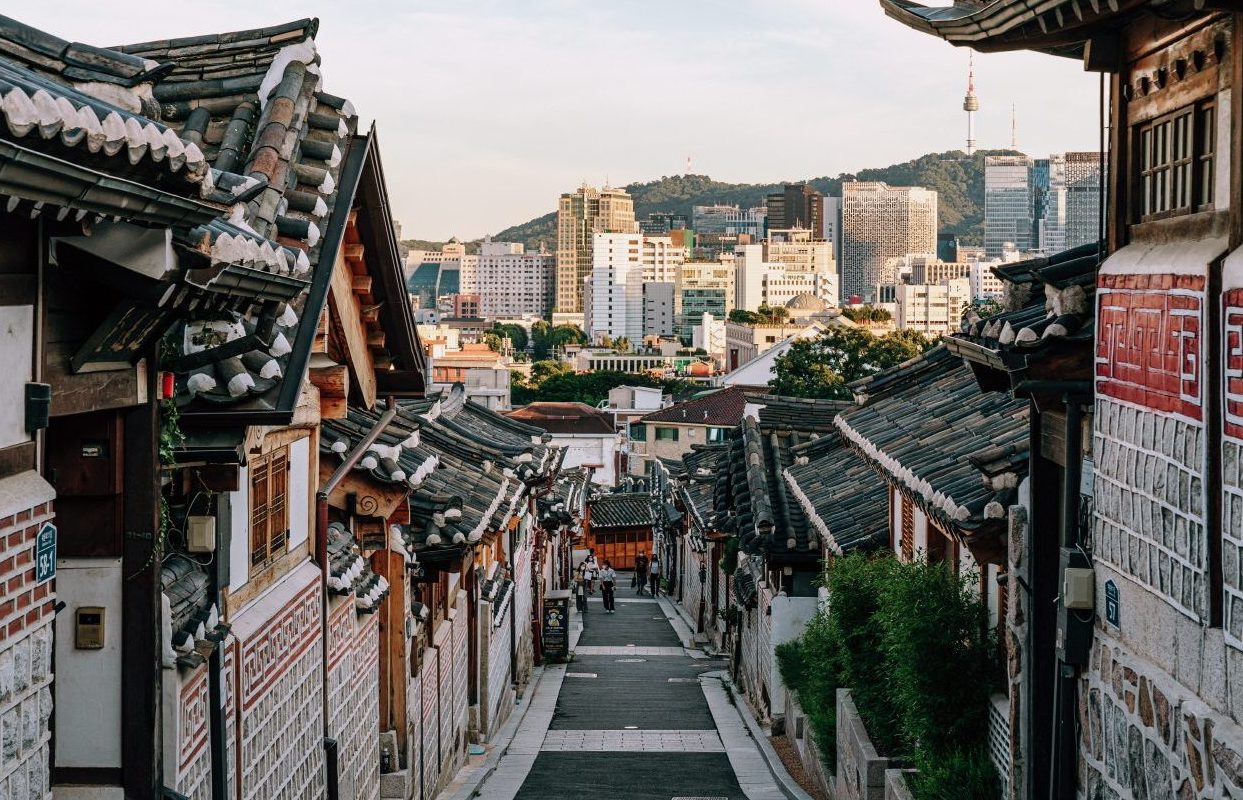
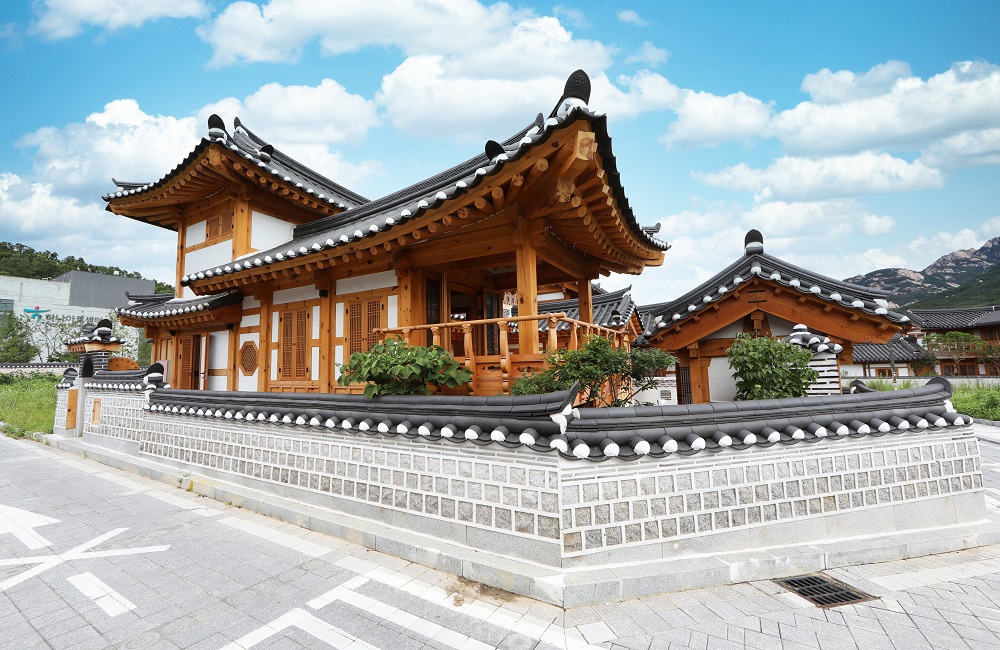
Beyond skyscrapers and neon streets, Seoul hides another world: the hanok—traditional Korean houses with curved roofs, wooden beams, and stone courtyards.
Today, these cultural gems aren’t just for museums; they’ve been reborn as tea houses, artisan workshops, boutique stays, and rooftop cafés. Step inside, and you’ll find history made modern.
What You’ll Learn
-
Three hidden hanok neighborhoods where tradition lives on
-
Insider tips: quiet tea gardens, craft workshops, and budget-friendly stays
-
How to balance DIY wandering with curated cultural experiences
-
Why hanok cafés and guesthouses are winning Gen Z and global travelers alike
Must-Visit Hanok Districts in Seoul
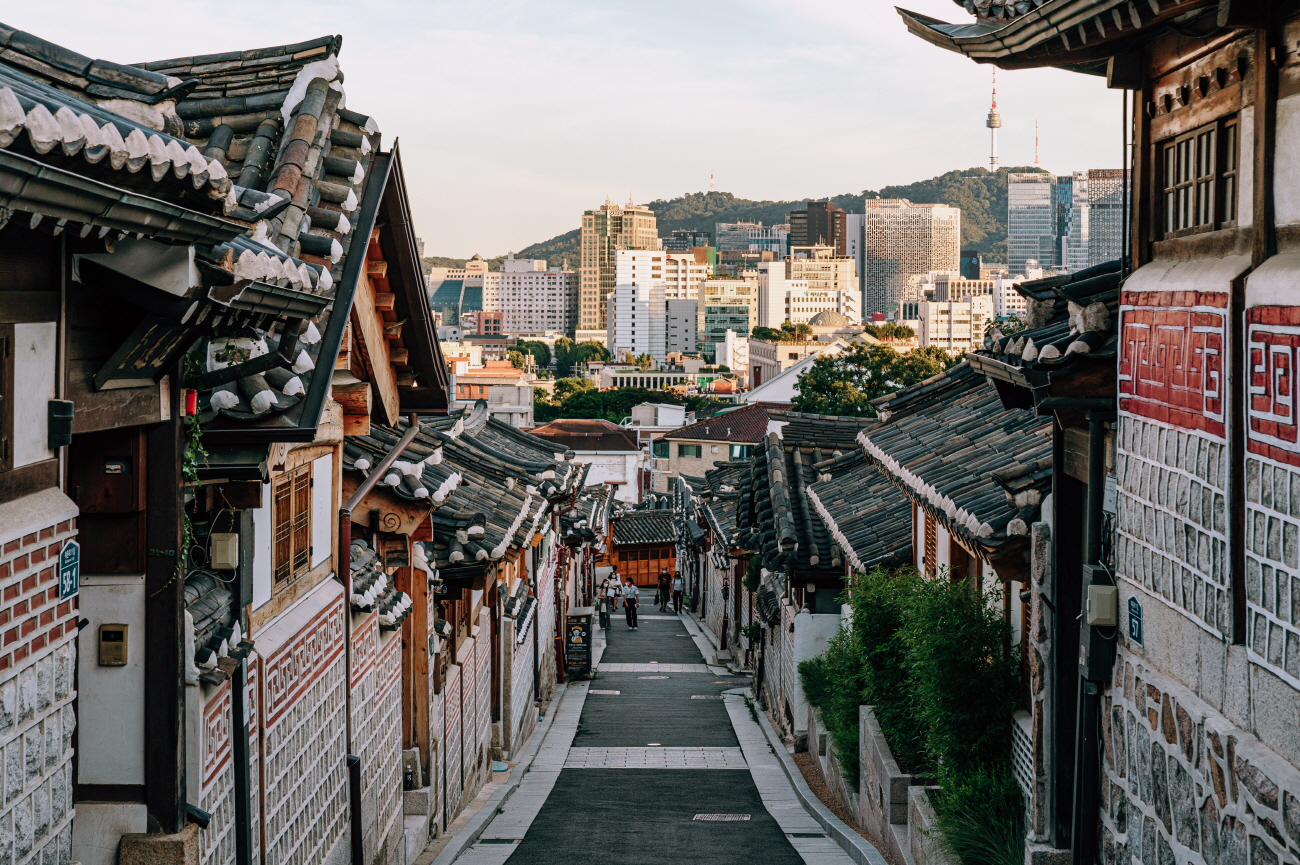
Bukchon Hanok Village
Vibe & Highlights: Heritage lanes with art galleries, tea houses, and calligraphy studios.
Nearest Subway: Line 3 – Anguk (Exit 2)
Typical Hours: 09:00 – 18:00
Ikseon Hidden Courtyards
Vibe & Highlights: Boutique hanok cafés and fusion dining tucked in alleys.
Nearest Subway: Line 5 – Jongno 3-ga (Exit 4)
Typical Hours: 11:00 – 23:00
Seochon & Tongin
Vibe & Highlights: Rustic hanok homes with local food alleys and hanok-style guesthouses.
Nearest Subway: Line 3 – Gyeongbokgung (Exit 2)
Typical Hours: 10:00 – 21:00
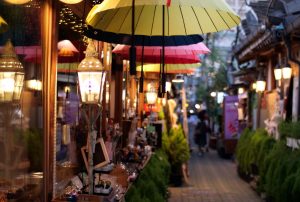
Field note: In Seochon, I stumbled into a small hanok guesthouse where the owner served homemade plum tea in a courtyard lit only by paper lanterns—₩7,000 for a cup, but priceless for the atmosphere.
What to Eat & Drink Like a Local
Omija Tea (五味子茶)
Why & Where: Tart-sweet five-flavor berry tea—Bukchon hanok tea houses
Average Price: ₩6,000
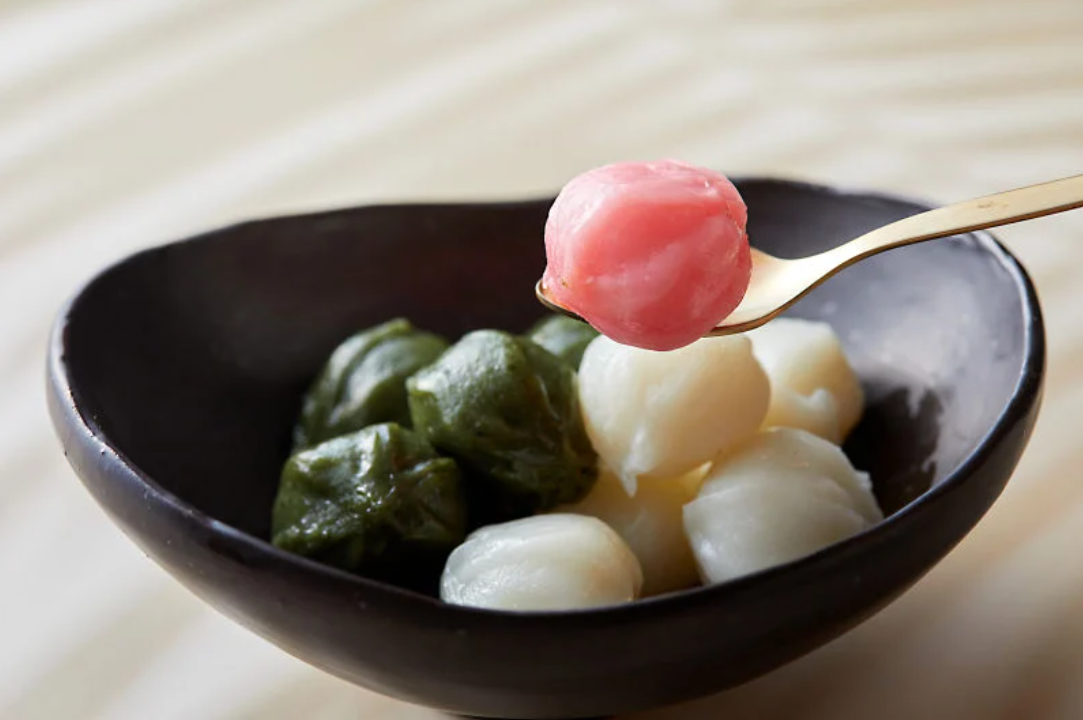
Handmade Tteok (Rice Cakes)
Why & Where: Traditional sweets paired with green tea—Seochon workshops
Average Price: ₩5,000
Fusion Bibimbap
Why & Where: Served in hanok courtyards with seasonal ingredients—Ikseon
Average Price: ₩12,000
Makgeolli Sampler
Why & Where: Rice wine flights in hanok pubs—Tongin area
Average Price: ₩9,000
❝ Hanok cafés grew by 38% between 2020–2024, fueled by young travelers seeking “cultural authenticity with modern comfort.” ❞ — Korea Tourism Data Lab, 2025
Practical Guide: Hours, Money & Safety
When to Go
-
Bukchon is busiest in afternoons—visit mornings for peaceful alleys.
-
Ikseon hanok cafés peak after dinner; reserve ahead on weekends.
-
Seochon shops often close Mondays—plan accordingly.
Money Matters
-
Most hanok cafés accept cards and mobile pay.
-
Small craft workshops may prefer cash for souvenirs.
Safety & Etiquette
-
Keep voices low—many hanoks are still private homes.
-
Always remove shoes before entering interiors.
-
Ask permission before photographing inside courtyards.
DIY Walk vs Guided “Hanok Experiences”
DIY Hanok Walk
Up-Front Cost: Transit ₩1,500 + food
What You Get: Freedom to explore alleys, self-guided tea stops
Best For: Budget travelers, repeat visitors
Group Hanok Tour
Up-Front Cost: ₩60,000 – 80,000
What You Get: English guide, tea tasting, craft demo (calligraphy/pottery)
Best For: First-timers, families
Private Hanok Stay + Guide
Up-Front Cost: ₩180,000 + per night
What You Get: Stay in hanok guesthouse, private tours, cultural classes
Best For: Couples, creators
Why book a guide? Exclusive access to hanok interiors normally closed to the public, plus hands-on workshops with English interpretation.
❝ Travelers who stayed overnight in hanoks rated cultural satisfaction 40% higher than hotel guests. ❞ — Seoul Tourism Insight Report, 2025
FAQ for English Speakers
Are hanoks family-friendly?
Yes—guesthouses often have family rooms, and workshops welcome kids.
Can I try wearing hanbok here?
Absolutely—Bukchon has rental shops where you can wear hanbok for photos.
Do hanok stays have modern amenities?
Most guesthouses include Wi-Fi, heated floors, and private bathrooms while keeping traditional design.
What’s unique about Seochon?
It’s less touristy than Bukchon, with neighborhood eateries and hidden hanok stays.
Wrap-Up & Next Steps
-
Choose your mood: heritage walks, hidden cafés, or overnight stays
-
Carry a little cash, but expect cards/mobile pay to work in most spots
-
Visit mornings for quiet alleys, evenings for lantern-lit courtyards
-
First visit? Book a guided hanok tour for tea, history, and hidden courtyards