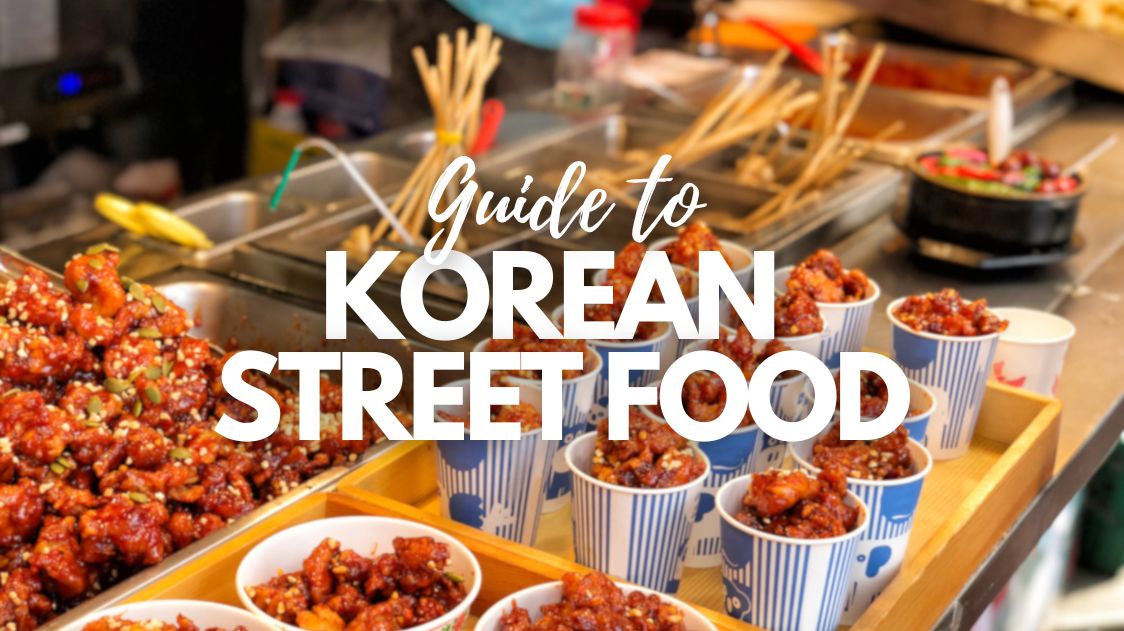
Korean street food is more than just something quick to eat between sightseeing, it’s a big part of everyday life in South Korea an a cultural experience. From the busy stalls in Myeongdong to small carts in quiet streets across Seoul, street food is full of flavour at pocket-friendly prices.
This guide shows you where to go, what to try, and how to enjoy Korean street food like a local.
Explore more Korea travel tips →
Myeongdong: The Street Food Epicenter
Myeongdong is where many visitors try Korean street food for the first time. In the evening, the main shopping streets fill with food stalls selling everything from classic snacks to creative fusion inventions.
Stalls usually open from around 5 PM to 10 PM, especially along the road from Myeongdong Station (Exit 6) to Myeongdong Cathedral. Weekdays are less crowded and easier to explore.
Must-try items in Myeongdong:
- Egg bread (gyeran-ppang): Fluffy, slightly sweet bread baked with a whole egg on top. Around 2,000 KRW ($1.40 USD).
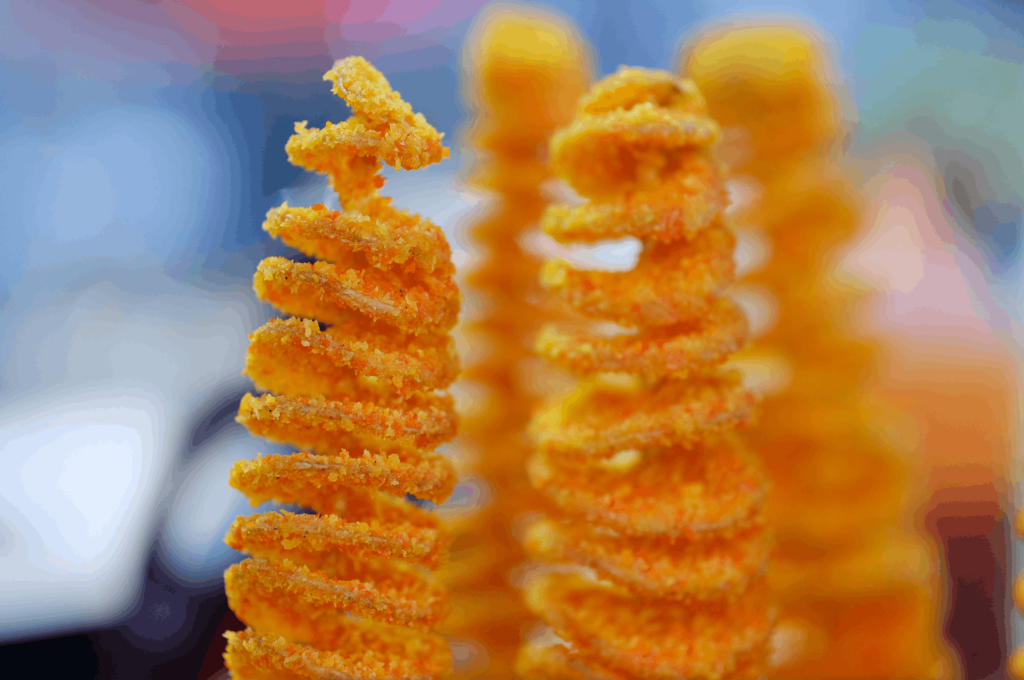
- Tornado potato (hoeori gamja): A spiral-cut potato on a stick, fried and seasoned (cheese or honey butter are popular). Around 4,000–5,000 KRW ($2.75 to $3.50 USD).
- 10cm ice cream: Towering soft-serve in flavors like green tea and strawberry. Around 5,000 KRW ($3.50 USD) and one of the most photographed foods in Myeongdong.
- Grilled lobster tail and seafood: Several stalls offer lobster tails and scallops at 10,000 to 15,000 KRW ($7 to $10 USD).
- Tteokbokki: Classic spicy rice cakes served in a cup with fish cakes and boiled eggs for 4,000 to 5,000 KRW.
Note: Myeongdong prices are a bit higher since it’s a tourist area, but the quality is still very good.
Gwangjang Market: The Authentic Choice
Established in 1905, Gwangjang Market is one of Korea’s oldest markets, and its food alley is legendary. Located near Jongno 5-ga Station, the main food section operates morning to late evening, making it ideal for lunch visits.
Must-try items at Gwangjang Market:
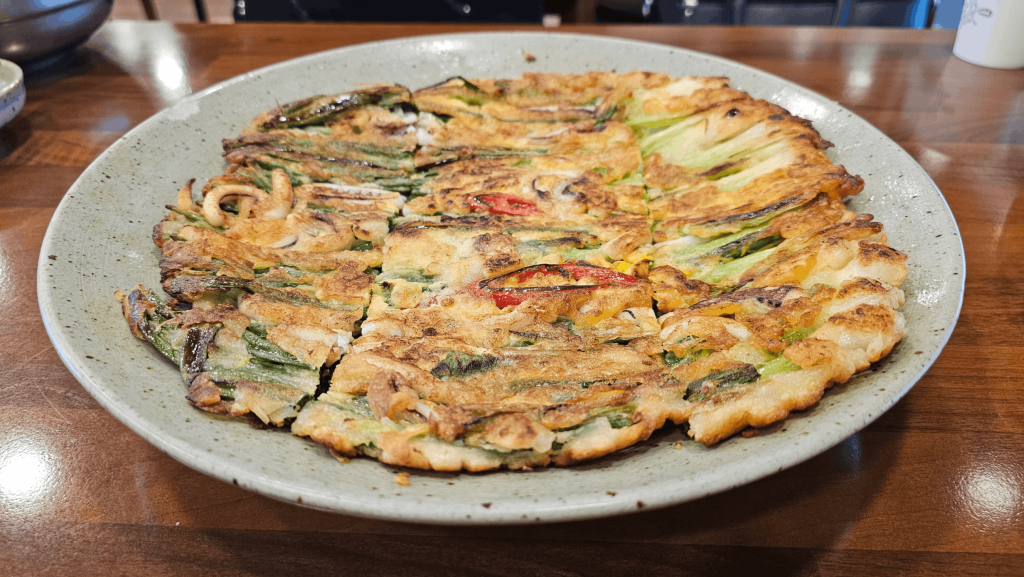
- Bindaetteok (mung bean pancakes): Thick, crispy pancakes of ground mung beans, pork, and kimchi fried in generous oil. Around 5,000 KRW, hearty and best eaten hot off the griddle.
- Mayak kimbap (mini rice rolls): Bite-sized kimbap with a mustard-soy dipping sauce. A plate of 10 to 12 pieces costs around 3,500 KRW ($2.40 USD).
- Yukhoe (Korean beef tartare): Fresh raw beef seasoned with sesame oil, soy, and garlic, topped with raw egg yolk. For adventurous eaters. 12,000 to 15,000 KRW ($8 to $10 USD).
- Sujebi (hand-torn noodle soup): Wheat noodles in a clear anchovy broth. Around 6,000 to 7,000 KRW.
Gwangjang has a communal dining atmosphere. Seating is shared, so expect to sit close to others. It can feel busy and a bit chaotic, but that’s part of the experience.
Hongdae and Sinchon: University District Eats
These neighborhoods near Hongik and Yonsei universities offer the best budget street food in Seoul. Portions are generous and prices consistently lower than tourist districts.
Must-try items in Hongdae and Sinchon:
- Hotteok (sweet stuffed pancakes): Brown sugar, cinnamon, and peanuts in fried dough. Hongdae vendors add Nutella or cream cheese fillings. 1,500 to 2,000 KRW.
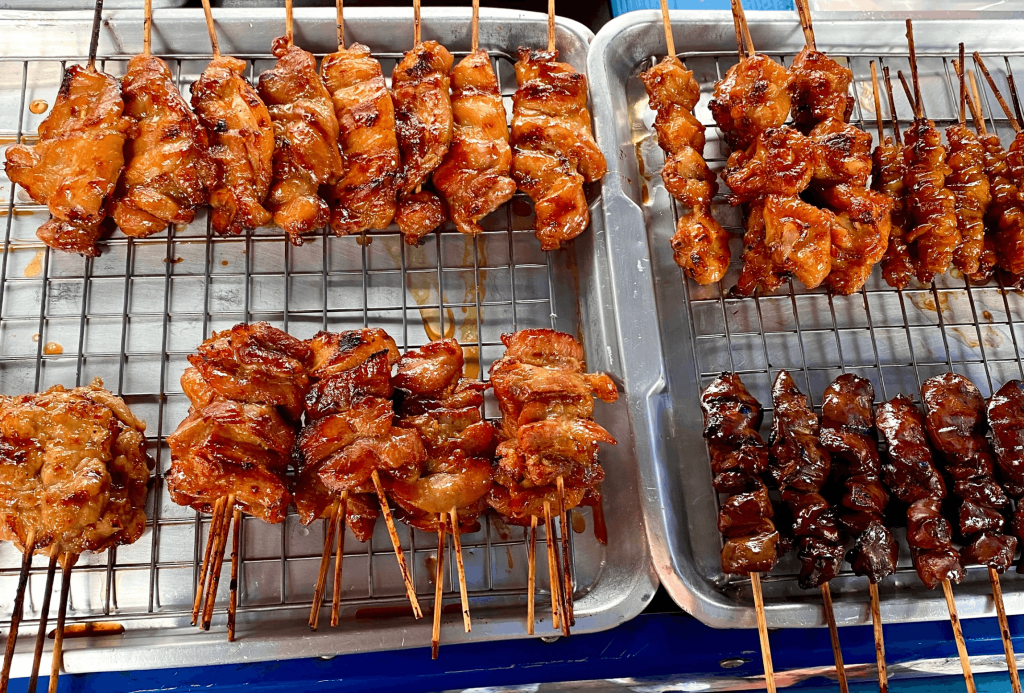
- Dak-kkochi (chicken skewers): Grilled chicken glazed with sweet-spicy sauce. 2,000 to 3,000 KRW per skewer.
- Cupbop (cup rice bowls): Rice, meat, vegetables, and sauce layered in a paper cup. A filling meal for 3,500 to 5,000 KRW.
- Bungeo-ppang (fish-shaped bread): Pastry filled with sweet red bean paste or custard cream. Three for around 2,000 KRW.
https://www.kr-webmagazine.com/best-things-to-do-in-seoul/
Beyond Seoul: Street Food Markets Worth the Trip
Jagalchi Market in Busan is Korea’s largest seafood market. Select live seafood from ground-floor vendors and have it prepared as sashimi on the spot. Outdoor stalls offer grilled fish and fish cake soup at lower prices.
Seomun Market in Daegu specializes in hand-pulled noodle dishes, especially kalguksu (knife-cut noodle soup) and napjak mandu (flat dumplings). Rarely visited by foreign tourists.
Jungang Market in Gangneung on the east coast is known for fresh seafood and the local specialty of sundubu (soft tofu) made with ocean water for a naturally briny flavor.
For an adapter or portable battery before your market crawl, see our guide to where to buy electronics in Seoul.
Prices and Practical Tips
| Item | Price (KRW) | USD |
|---|---|---|
| Tteokbokki (cup) | 3,000 – 5,000 | $2.00 – $3.50 |
| Hotteok | 1,500 – 2,000 | $1.00 – $1.40 |
| Egg bread | 2,000 | $1.40 |
| Tornado potato | 4,000 – 5,000 | $2.75 – $3.50 |
| Chicken skewer | 2,000 – 3,000 | $1.40 – $2.00 |
| Bindaetteok | 4,000 – 5,000 | $2.75 – $3.50 |
| Fish cake skewer | 1,000 – 1,500 | $0.70 – $1.00 |
Most stalls are cash-only, so carry small bills (1,000 and 5,000 KRW notes). Eat food promptly when served hot — many items lose their appeal when cooled, particularly fried ones.
Be aware of allergens: many Korean street foods contain wheat, shellfish, soy, and sesame. Learning the Korean words for your allergens is essential at traditional markets.
Frequently Asked Questions
What is the best time to visit street food markets?
Myeongdong stalls are busiest from 5 PM to 10 PM. Gwangjang Market is best during lunch (11 AM to 2 PM). Hongdae vendors set up in late afternoon and run until late night, with weekends being most vibrant. Traditional markets like Namdaemun operate from early morning.
Is Korean street food safe to eat?
Very safe. South Korea has strict food hygiene regulations with regular vendor inspections. Choose busy stalls (high turnover means fresh food), avoid anything sitting out too long, and wash your hands before eating. Stomach issues among tourists are uncommon.
Can vegetarians find street food options?
Options exist but require effort. Hotteok, tornado potatoes, egg bread, and some tteokbokki are typically vegetarian. Be aware that many Korean sauces and broths use anchovy or shrimp stock. Communicating dietary needs in Korean or using a translation app helps significantly.
Final Tips
Follow the crowds. A long line at a stall almost always indicates exceptional food. Koreans are discerning eaters who bypass mediocre vendors without a second glance.
Come hungry, bring cash in small denominations, wear comfortable shoes, and leave room to wander without a rigid plan. The best discoveries happen when you follow a smell you cannot resist.
For more on Korean cuisine, explore the best food in Seoul and plan your trip with the best things to do in Seoul.