
Traveling to South Korea is a thrilling experience filled with rich culture, incredible sights, and delicious cuisine. While many people in South Korea, especially in major cities like Seoul and Busan, speak some English, learning a few key Korean phrases can greatly enhance your travel experience. Not only will it help you navigate your way through everyday situations, but it will also show respect for the local culture, making interactions smoother and more enjoyable.
This guide will walk you through essential Korean phrases every tourist should know, broken down into useful categories such as greetings, dining out, shopping, transportation, and more. By familiarizing yourself with these phrases, you’ll be more confident and prepared for your trip to South Korea.
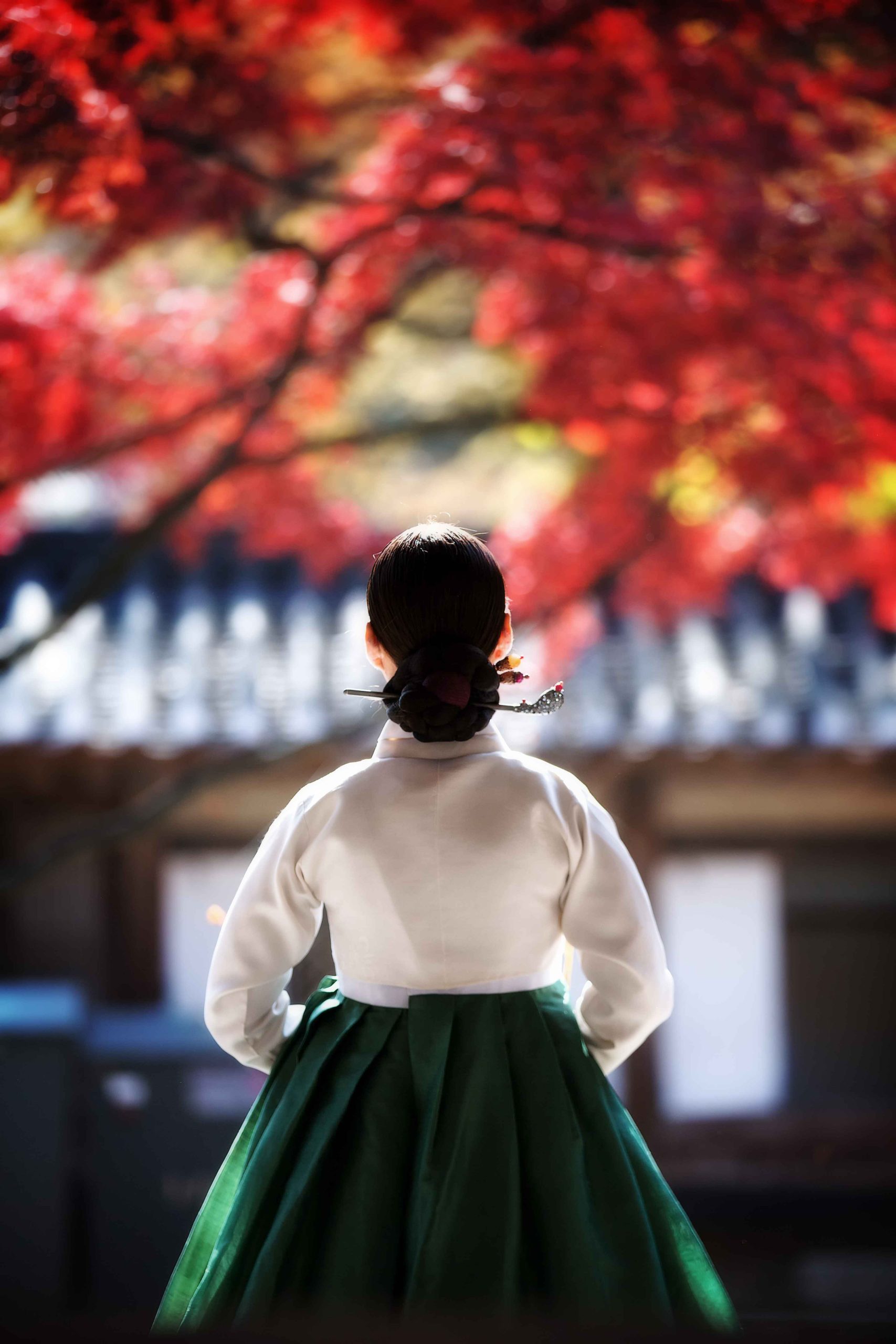
ⓒKorea Tourism Organization Photo Korea – Yun Wi-jeong
1. Greetings and Basic Phrases
A friendly greeting is always the best way to start a conversation. Here are a few key phrases that will help you make a good first impression.
1.1 Hello and Goodbye
안녕하세요 (Annyeonghaseyo) – Hello
This is the most common and polite way to greet someone in Korean. It’s suitable for almost all situations, whether you’re entering a shop or meeting someone for the first time.
안녕 (Annyeong) – Hi/Bye (Informal)
This is a more casual way to say hello or goodbye, usually used between friends or people of the same age.
안녕히 가세요 (Annyeonghi gaseyo) – Goodbye (to someone leaving)
Use this phrase when you’re staying and someone else is leaving. It translates to “Go in peace.”
안녕히 계세요 (Annyeonghi gyeseyo) – Goodbye (to someone staying)
Use this when you are the one leaving and the other person is staying behind. It means “Stay in peace.”
1.2 Polite Expressions
감사합니다 (Gamsahamnida) – Thank you
This is the most common and polite way to say thank you. You’ll hear it everywhere, from restaurants to shops.
죄송합니다 (Joesonghamnida) – I’m sorry
Use this phrase when you need to apologize politely.
미안해요 (Mianhaeyo) – Sorry (Less formal)
A more casual version of “I’m sorry,” often used in less formal situations or between friends.
네 (Ne) – Yes
Pronounced “neh,” this is the most common way to say “yes” in Korean.
아니요 (Aniyo) – No
Pronounced “ah-nee-yo,” this is the polite way to say “no.”
괜찮아요 (Gwaenchanayo) – It’s okay/No problem
Use this when you want to let someone know everything is fine or when declining something politely.
2. Dining Out: Essential Restaurant Phrases
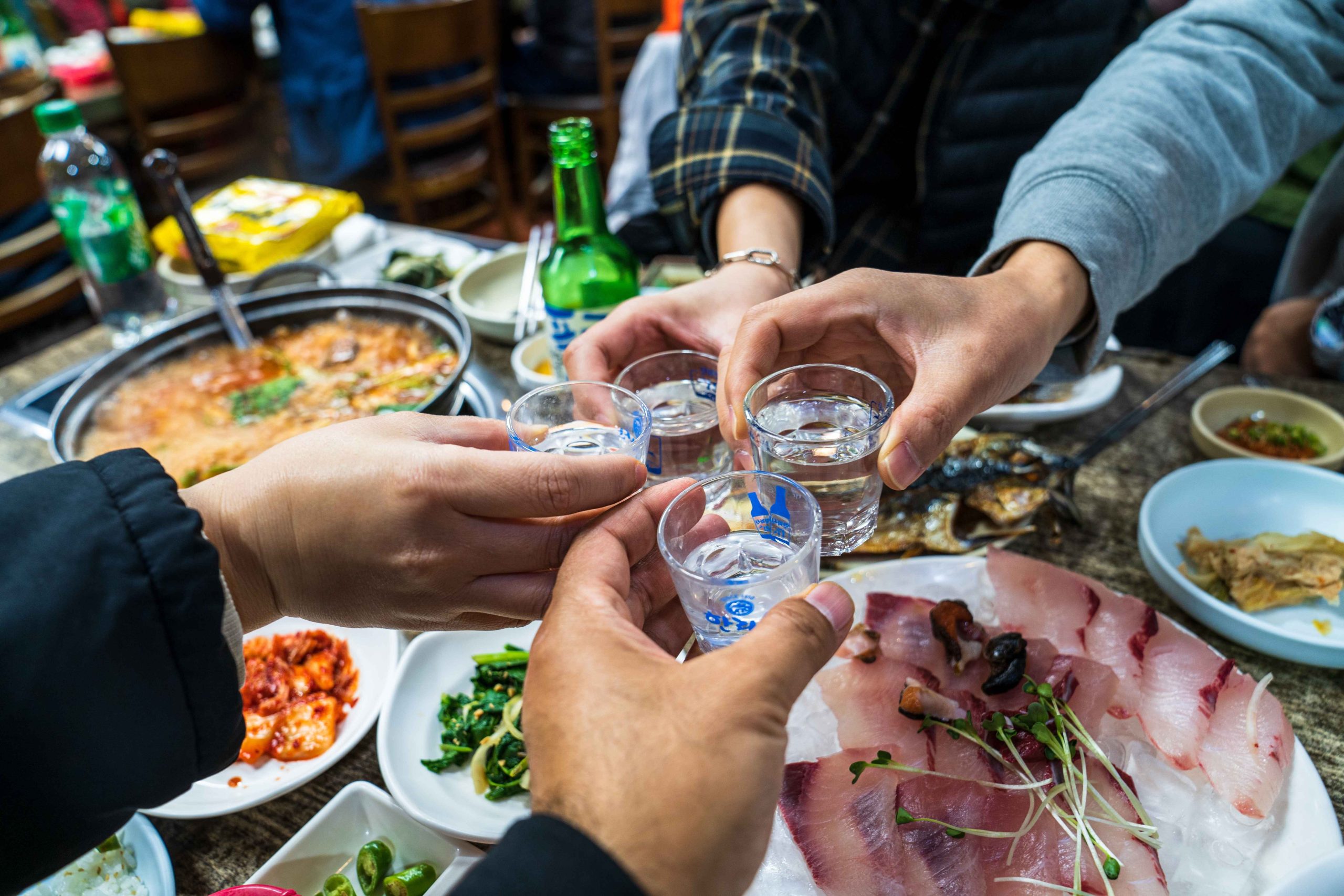
ⓒKorea Tourism Organization Photo Korea – Kim Jiho
South Korean cuisine is famous worldwide, and knowing some basic phrases when dining out will make the experience even better. Whether you’re ordering in a restaurant, trying street food, or grabbing a quick bite, these phrases will help you navigate the dining scene.
2.1 Ordering Food
메뉴 주세요 (Menu juseyo) – Please give me the menu
Use this to ask for a menu when you enter a restaurant.
물 주세요 (Mul juseyo) – Please give me water
Asking for water is simple with this phrase. Water is typically served for free in most restaurants in Korea.
이거 주세요 (Igeo juseyo) – Please give me this
If you’re pointing to something on the menu or in a display case, this phrase will help you make your order.
추천해주세요 (Chucheonhae juseyo) – Please recommend something
If you’re unsure of what to order, ask for a recommendation!
맵지 않게 해주세요 (Maepji anke haejuseyo) – Please make it not spicy
Korean food can sometimes be quite spicy. Use this phrase if you want a less spicy option.
2.2 Common Dining Expressions
잘 먹겠습니다 (Jal meokgetseumnida) – I will eat well (Thank you for the meal)
This is a polite phrase used before starting your meal to express gratitude. It’s equivalent to saying “Bon appétit!”
계산서 주세요 (Gyesanseo juseyo) – Please give me the check
When you’re ready to pay, this is the phrase to use to ask for the bill.
포장 해주세요 (Pojang hae juseyo) – Please wrap this up (for takeout)
If you want to take food to go, this phrase will come in handy.
맛있어요 (Masisseoyo) – It’s delicious
A great compliment to give after enjoying a meal.
3. Shopping: Phrases for Markets and Stores
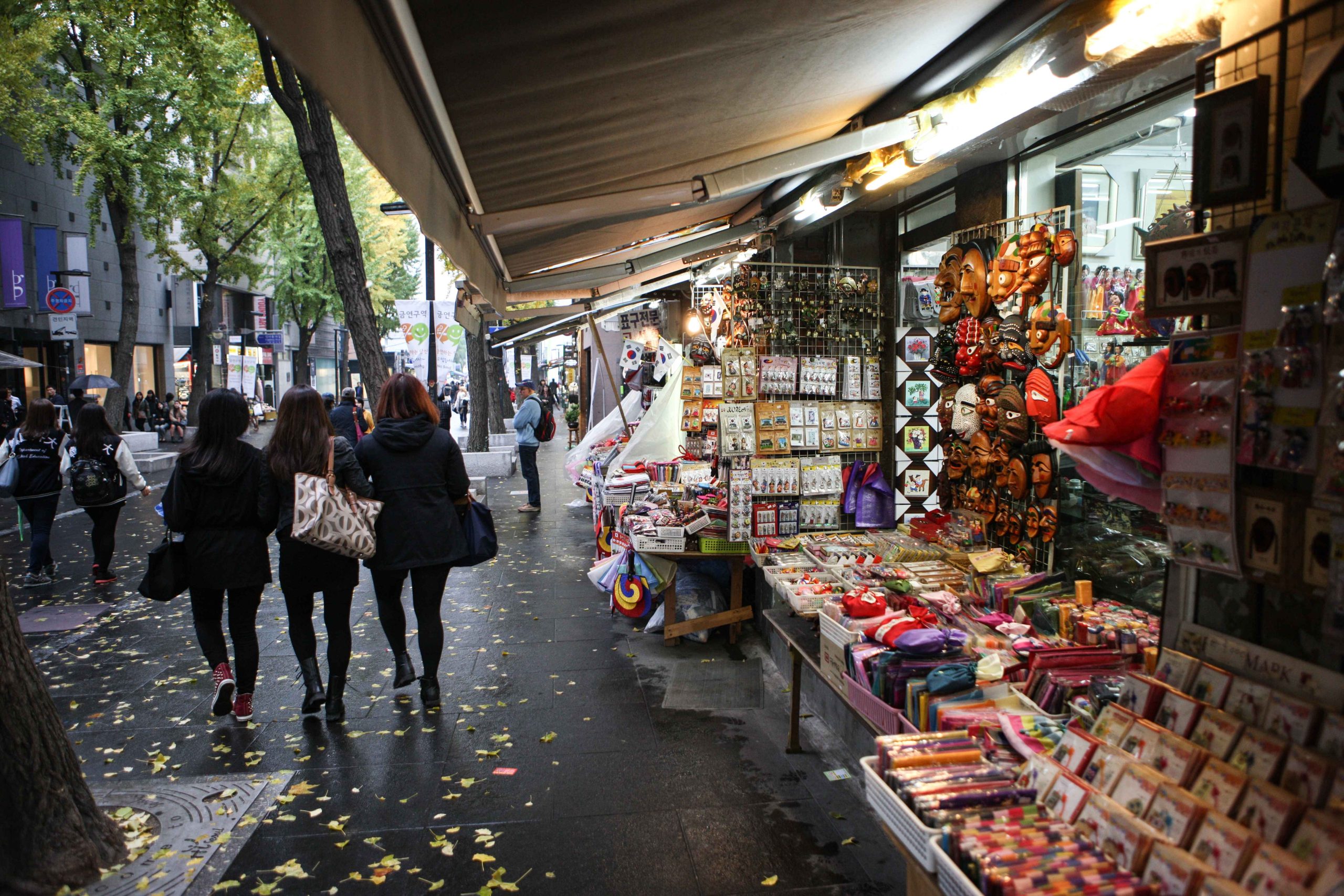
ⓒKorea Tourism Organization Photo Korea – Kim Jiho
Shopping in Korea is a unique experience, from street markets to luxury department stores. Whether you’re bargaining at a traditional market or picking up souvenirs, these phrases will help you along the way.
3.1 General Shopping Phrases
얼마예요? (Eolmayeyo?) – How much is it?
A simple and essential question when shopping.
너무 비싸요 (Neomu bissayo) – It’s too expensive
If you’re bargaining in a traditional market, you can use this phrase to try and lower the price.
좀 깎아주세요 (Jom kka-kka juseyo) – Please give me a discount
A polite way to ask for a discount, especially useful in markets like Namdaemun or Dongdaemun.
카드 돼요? (Kadeu dwaeyo?) – Do you accept credit cards?
Credit cards are widely accepted in Korea, but it’s always good to check if smaller vendors take them.
영수증 주세요 (Yeongsujeung juseyo) – Please give me the receipt
When you need a receipt for your purchases, this is the phrase to use.
4. Transportation: Getting Around
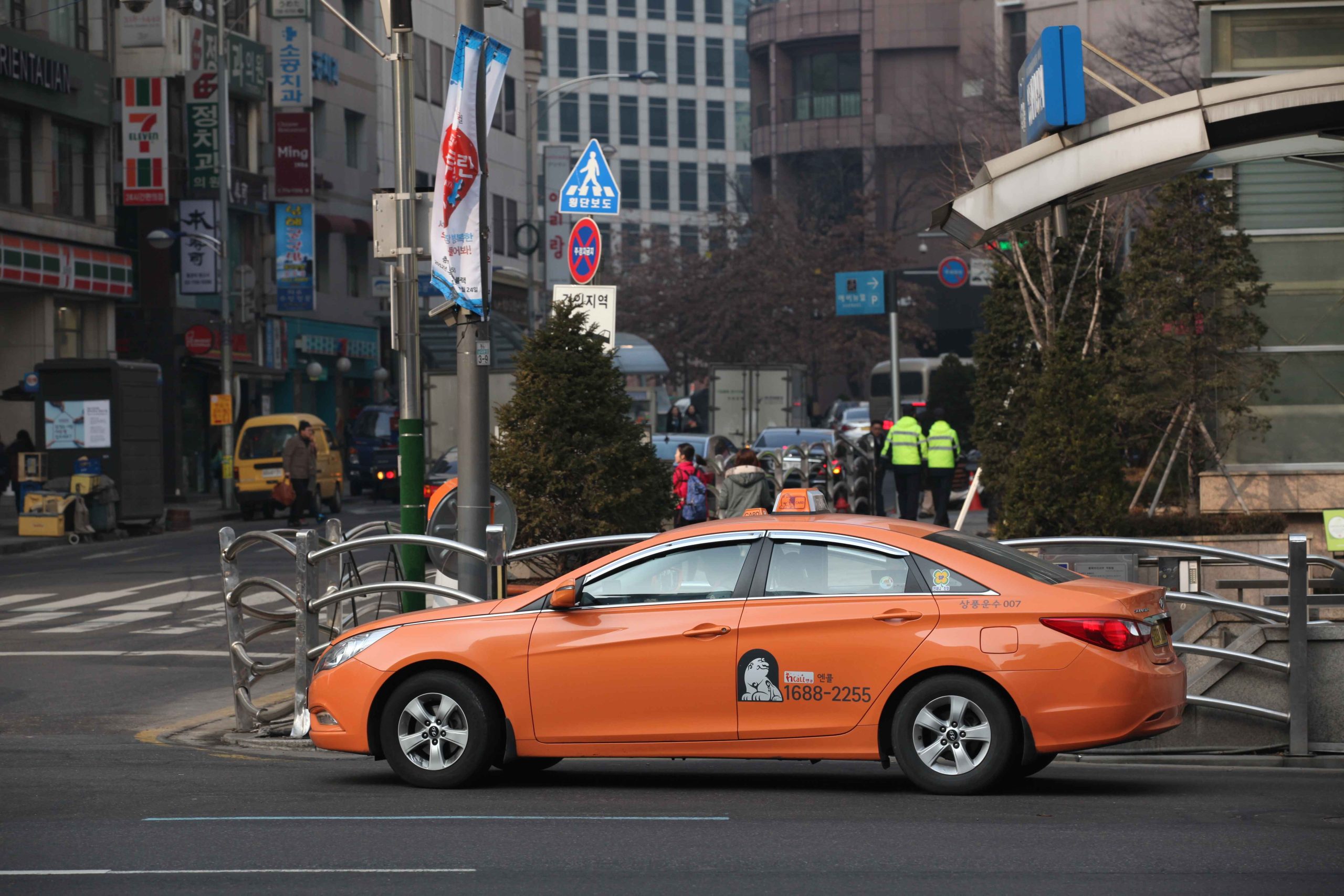
ⓒKorea Tourism Organization Photo Korea – Kim Jiho
Whether you’re taking the subway, bus, or taxi, having some basic Korean phrases for transportation will make navigating the city much easier.
4.1 Using Public Transportation
어디에 있어요? (Eodie isseoyo?) – Where is it?
Use this phrase to ask for directions or when trying to find a specific location.
이 버스 / 지하철 서울역 가요? (I beoseu / jihacheol Seoul-yeok gayo?) – Does this bus/subway go to Seoul Station?
If you’re unsure whether you’re on the right bus or train, this question will help you confirm.
하나 더 주세요 (Hana deo juseyo) – One more, please
If you need an additional ticket or card for transportation, this phrase will be helpful.
4.2 Taking a Taxi
서울역 가주세요 (Seoul-yeok gajuseyo) – Please take me to Seoul Station
Use this phrase to tell the taxi driver your destination.
미터기 켜주세요 (Miteogi kyeo juseyo) – Please turn on the meter
If the taxi driver hasn’t started the meter, you can politely remind them with this phrase.
거스름돈 필요 없어요 (Geoseureum-don pilyo eopseoyo) – I don’t need change
If you’re feeling generous or just want to round up your fare, you can use this phrase.
5. Emergencies and Help: Important Phrases to Know
ⓒAliaksandra via Pixabay
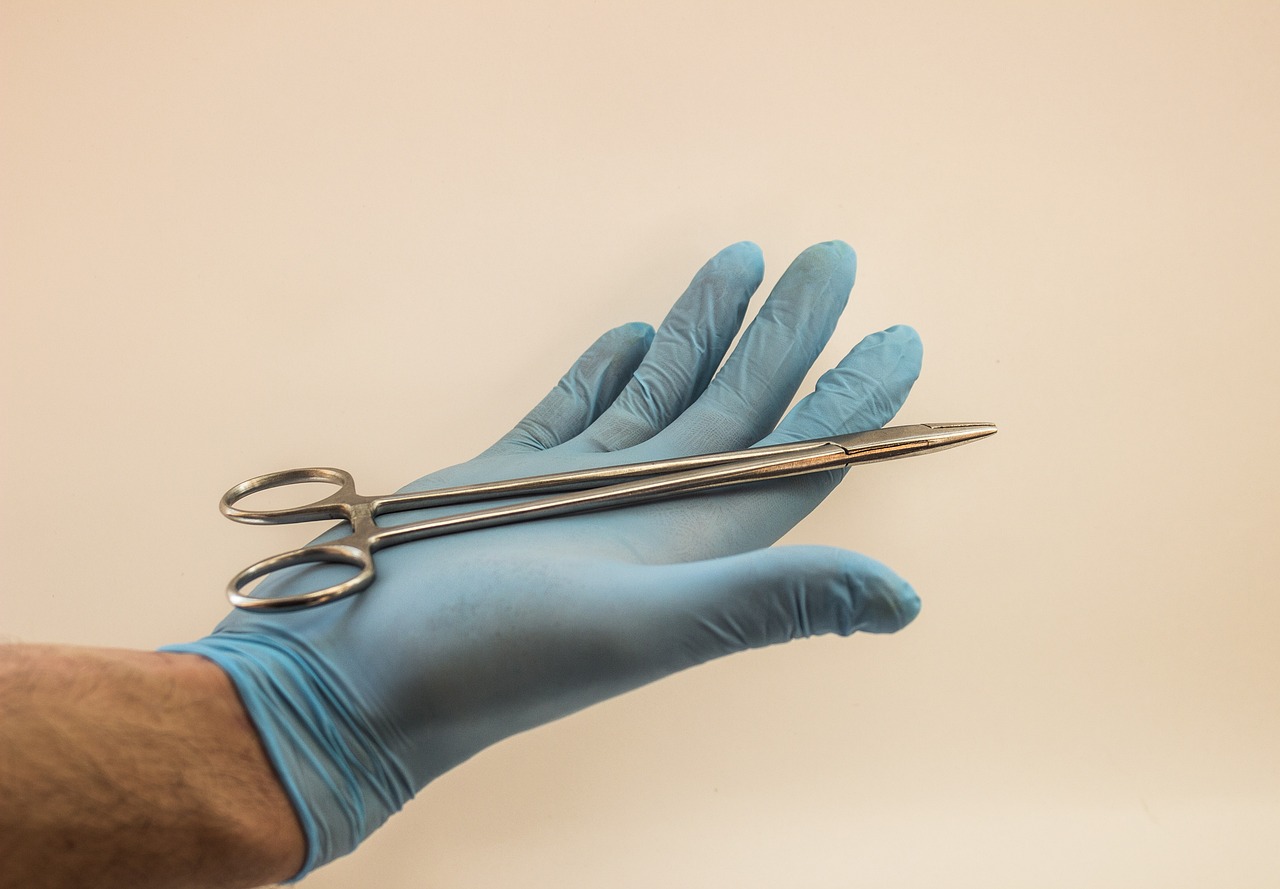
In case of an emergency or when you need assistance, these phrases will help you communicate effectively and get help quickly.
5.1 Asking for Help
도와주세요 (Dowajuseyo) – Please help me
Use this phrase if you need assistance in any situation.
경찰서 어디예요? (Gyeongchalseo eodiyeyo?) – Where is the police station?
A helpful phrase if you need to locate the nearest police station.
병원 어디예요? (Byeongwon eodiyeyo?) – Where is the hospital?
In case of a medical emergency, this will help you find the nearest hospital.
여기 아파요 (Yeogi apayo) – It hurts here
Use this to describe pain to someone, especially when seeking medical assistance.
5.2 Lost and Found
여권을 잃어버렸어요 (Yeogwoneul ilheobeoryeosseoyo) – I lost my passport
Losing your passport is a stressful experience, but this phrase will help you explain the situation.
길을 잃었어요 (Gireul ilheosseoyo) – I’m lost
If you find yourself lost in an unfamiliar area, this phrase will help locals assist you.
6. Numbers and Time
ⓒKorea Tourism Organization Photo Korea – Lee Beomsu
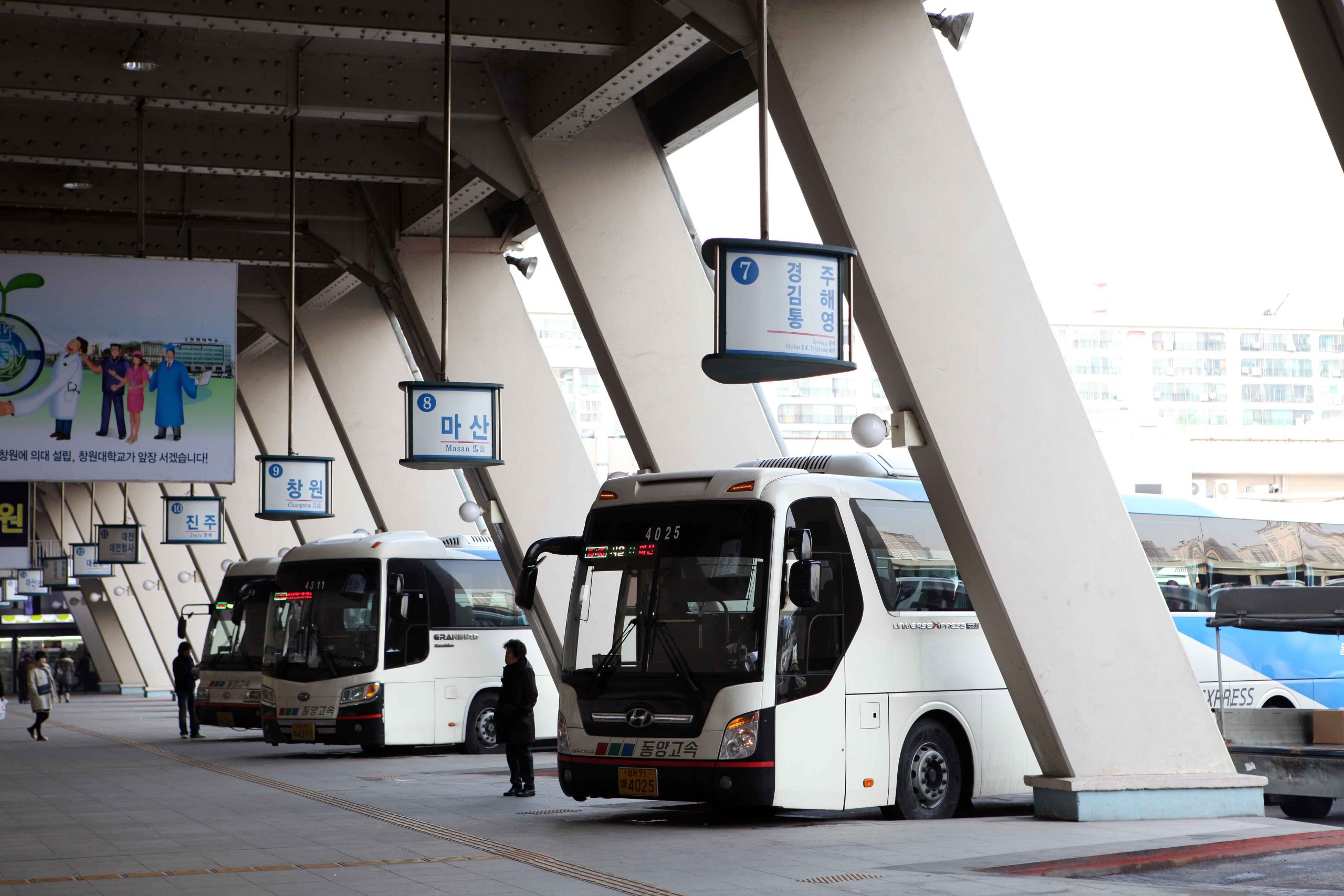
Knowing numbers and how to tell time in Korean can be incredibly useful, whether you’re bargaining at a market or trying to catch a train.
6.1 Basic Numbers
일 (il) – One
이 (i) – Two
삼 (sam) – Three
사 (sa) – Four
오 (o) – Five
십 (sip) – Ten
6.2 Telling Time
몇 시예요? (Myeot siyeyo?) – What time is it?
Use this to ask for the time.
지금 몇 시예요? (Jigeum myeot siyeyo?) – What time is it now?
Conclusion
Learning a few essential Korean phrases can make your travel experience in South Korea more enjoyable and rewarding. While many people speak English, using Korean phrases shows cultural respect and can help in situations where language barriers might arise. From greetings to ordering food, shopping, and navigating transportation, these phrases will help you communicate effectively and make your trip smoother.