Korean cuisine has taken the world by storm. Bold flavors, communal dining traditions, and respect for seasonal ingredients make it one of the most exciting culinary traditions to explore. Whether you are planning a trip to Seoul or want to know what to order at your local Korean restaurant, this guide covers the 20 most famous Korean foods you need to try.
Each dish includes a description, where to find the best versions, and a difficulty level for adventurous eaters.
Stay connected in Korea — Rent pocket WiFi or get an eSIM →
Rice and Noodle Dishes
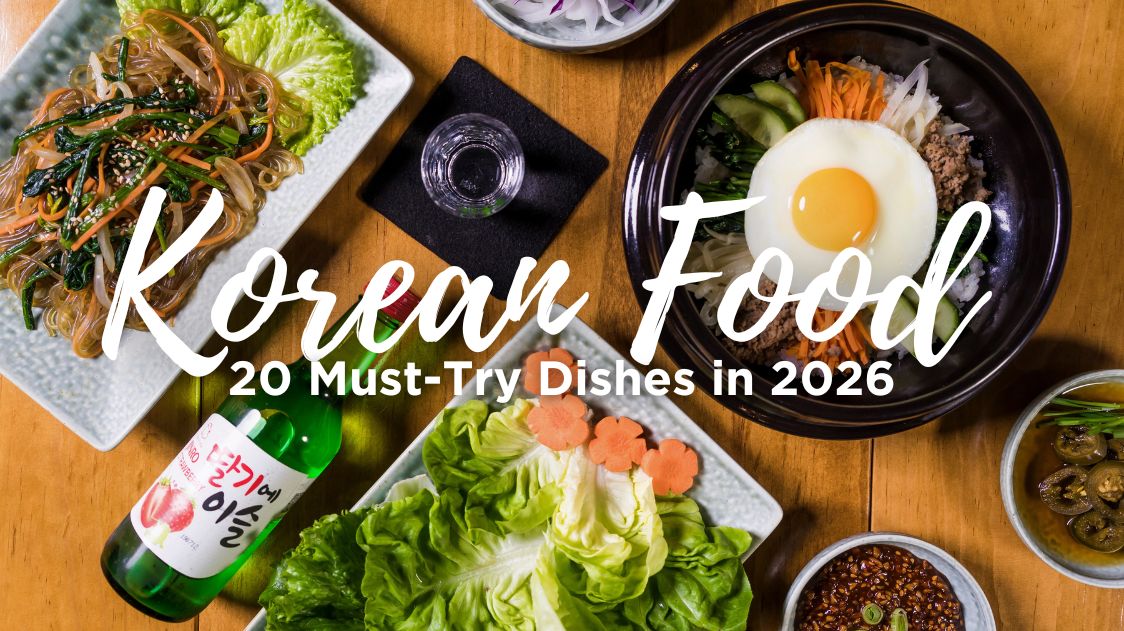
1. Bibimbap (Mixed Rice Bowl): Rice topped with sauteed vegetables, a fried egg, gochujang, and optionally beef. Mix everything before eating. The Jeonju region is famous for bibimbap, but Gogung in Myeongdong serves an excellent Seoul version. Difficulty: Easy.
2. Japchae (Glass Noodle Stir-Fry): Sweet potato noodles stir-fried with sesame oil, soy sauce, vegetables, and beef. Slightly sweet, savory, and satisfyingly chewy. Find great versions at traditional restaurants in Insadong. Difficulty: Easy.
3. Naengmyeon (Cold Buckwheat Noodles): Thin buckwheat noodles in icy broth (mul-naengmyeon) or with spicy sauce (bibim-naengmyeon). A summertime staple. Woo Lae Oak in Jung-gu has served legendary naengmyeon since 1946. Difficulty: Moderate.
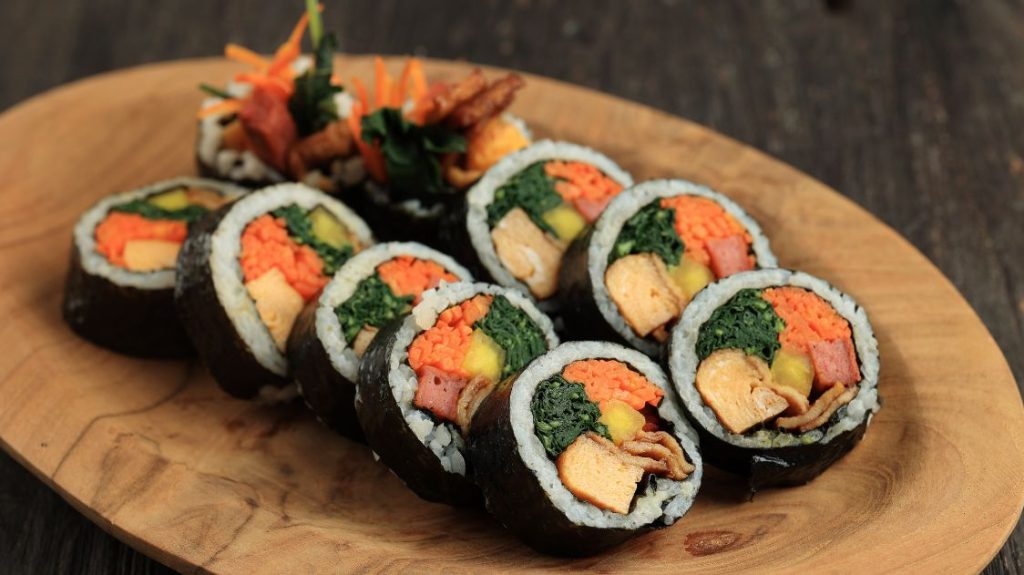
4. Kimbap (Korean Rice Rolls): Seaweed-wrapped rice rolls filled with pickled radish, spinach, egg, and meat or tuna. An affordable grab-and-go meal at 2,500 to 4,000 KRW. Available everywhere from convenience stores to specialty kimbap shops. Difficulty: Easy.
Soups and Stews
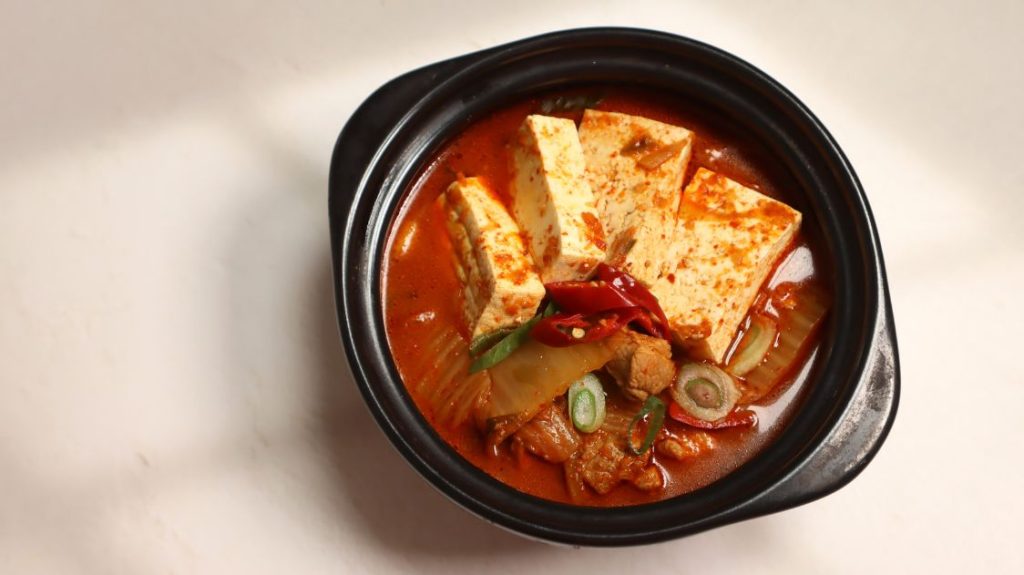
5. Kimchi Jjigae (Kimchi Stew): Bubbling stew of aged kimchi, pork, tofu, and vegetables. The fermented kimchi creates a deep, tangy, spicy broth. Served at virtually every Korean home-style restaurant. Difficulty: Moderate.
6. Sundubu Jjigae (Soft Tofu Stew): Silken tofu in a rich, spicy broth with seafood, pork, or vegetables. A raw egg is cracked into the bubbling stew just before serving. BCD Tofu House is famous for this dish. Difficulty: Moderate.
7. Samgyetang (Ginseng Chicken Soup): A whole young chicken stuffed with rice, ginseng, and garlic, simmered into a milky restorative broth. Traditionally eaten during summer’s hottest days. Tosokchon near Gyeongbokgung draws long lines. Difficulty: Easy.
8. Doenjang Jjigae (Soybean Paste Stew): Hearty stew with fermented soybean paste, tofu, zucchini, and onions. Deep umami flavor that defines Korean home cooking. Included in nearly every baekban (meal set). Difficulty: Moderate.
Grilled and Meat Dishes
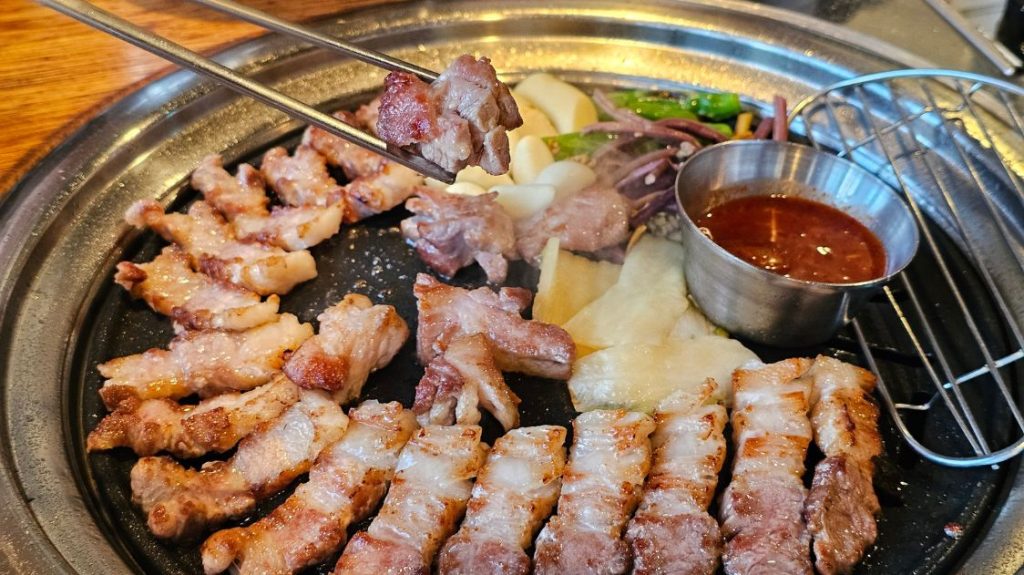
9. Samgyeopsal (Grilled Pork Belly): Thick pork belly slices grilled at your table, wrapped in lettuce with garlic and ssamjang. Korea’s most popular social dining experience, best with soju and friends. Every Seoul neighborhood has multiple samgyeopsal spots. Difficulty: Easy.
10. Bulgogi (Marinated Beef): Thinly sliced beef in a sweet soy marinade with garlic, sesame oil, and pear juice. One of the most internationally recognized Korean dishes with universally appealing flavors. Difficulty: Easy.
11. Galbi (Grilled Short Ribs): Beef short ribs in a sweet soy marinade, thicker and meatier than bulgogi. A Korean BBQ centerpiece at 25,000 to 45,000 KRW per serving. Difficulty: Easy.
12. Dakgalbi (Spicy Stir-Fried Chicken): Chicken stir-fried with gochujang, cabbage, sweet potato, and rice cakes in a communal pan. Chuncheon is the birthplace, but Sinchon has an entire street dedicated to it. Difficulty: Moderate.
Fermented and Side Dishes
13. Kimchi: Korea’s most iconic food, fermented napa cabbage with chili flakes, garlic, ginger, and fish sauce. Over 200 varieties exist. Every Korean meal includes free, refillable kimchi. Difficulty: Moderate.
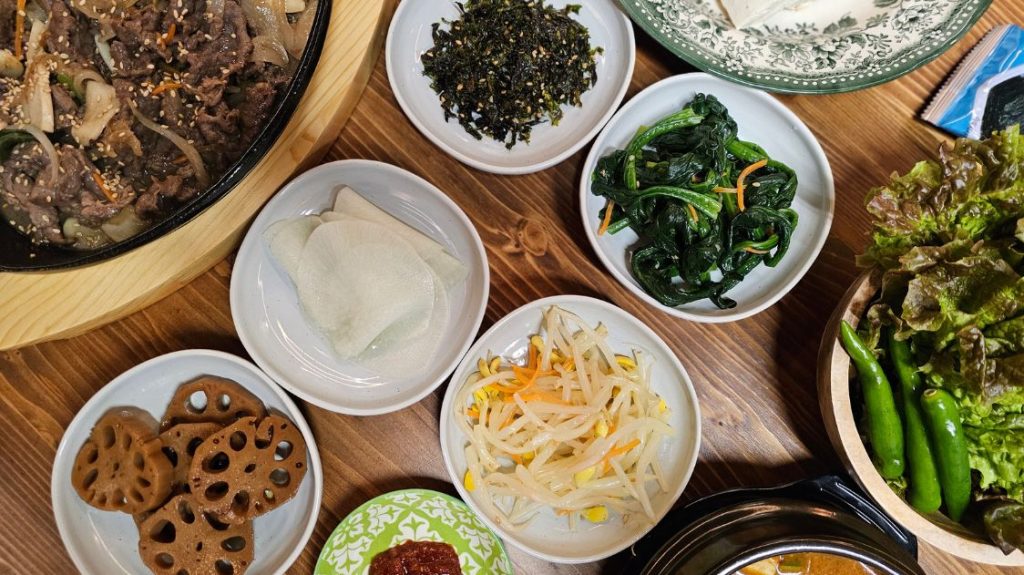
14. Banchan (Side Dishes): The array of small complimentary dishes with every meal, from seasoned spinach to pickled radish and dried seaweed. A typical meal includes five to eight different banchan, all refillable. Difficulty: Varies.
Street Food and Snacks
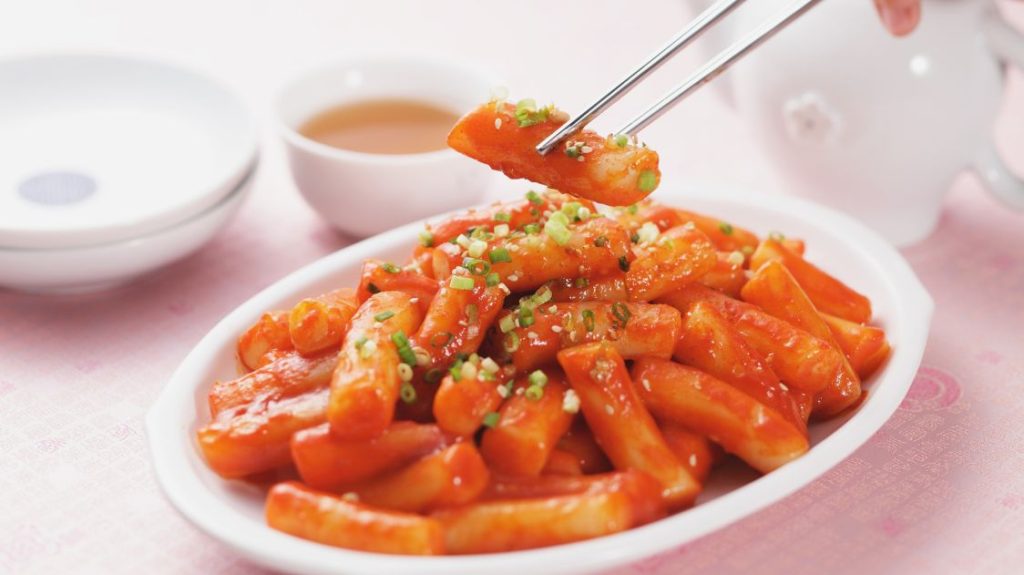
15. Tteokbokki (Spicy Rice Cakes): Chewy rice cakes in sweet-spicy gochujang sauce. The king of Korean street food at 3,000 to 5,000 KRW per serving, often paired with fish cakes and boiled eggs. Difficulty: Moderate.
16. Hotteok (Sweet Pancakes): Stuffed pancakes filled with brown sugar, cinnamon, and peanuts, fried until crispy outside and gooey inside. A beloved winter street food. Difficulty: Easy.
17. Mandu (Korean Dumplings): Steamed, boiled, or fried dumplings with pork, vegetables, tofu, and glass noodles. Gwangjang Market is one of the best places for freshly made mandu. Difficulty: Easy.
18. Odeng (Fish Cake Skewers): Fish cake on skewers simmered in anchovy-kelp broth, served with warm broth on the side. Comforting on cold days, found on nearly every busy corner. Difficulty: Easy.
Adventurous Eats
19. Jokbal (Braised Pig’s Feet): Pork trotters braised with soy sauce, ginger, and spices until tender. A popular late-night dish, especially in Seoul’s Jangchung-dong neighborhood. Difficulty: Bold.
20. Sannakji (Live Octopus): Raw octopus cut and served while tentacles still move. The suction cups stick to your mouth as you chew. Try it at Noryangjin Fish Market. Difficulty: Challenging.
For more on Seoul dining, explore the best food in Seoul and discover the best things to do in Seoul between meals.
https://www.kr-webmagazine.com/korean-food-names-with-pictures/
Need a portable charger for long market crawls? See our guide to where to buy electronics in Seoul.
Frequently Asked Questions
What is the most popular Korean food for beginners?
Bibimbap and bulgogi are the most approachable dishes. Both feature familiar ingredients with savory, mildly sweet flavors rather than intense spice or fermentation. Kimbap is another excellent starting point as a grab-and-go snack.
Is Korean food very spicy?
Many dishes are mild or non-spicy. Japchae, samgyetang, galbi, mandu, and kimbap are all flavorful without significant heat. When ordering spicy dishes, most restaurants offer adjustable spice levels. Say “deol maepge” (less spicy) for a milder version.
How much does a typical Korean meal cost?
Street food: 2,000 to 5,000 KRW ($1.50 to $3.50 USD). Standard restaurant meals: 7,000 to 12,000 KRW ($5 to $8 USD). Korean BBQ: 15,000 to 30,000 KRW ($10 to $20 USD) per person. Banchan side dishes are always free and refillable.
Final Tips
Eat where locals eat. Skip restaurants with English-only menus near tourist attractions and follow the crowds to small neighborhood spots. Use Naver Map to search for high-rated restaurants, and point at what others are eating if the menu is confusing.
Korean dining is communal. Sharing dishes, cooking meat together, and passing food to others are all part of the experience. Try everything at least once, and remember that in Korea, the best meal is always the next one.