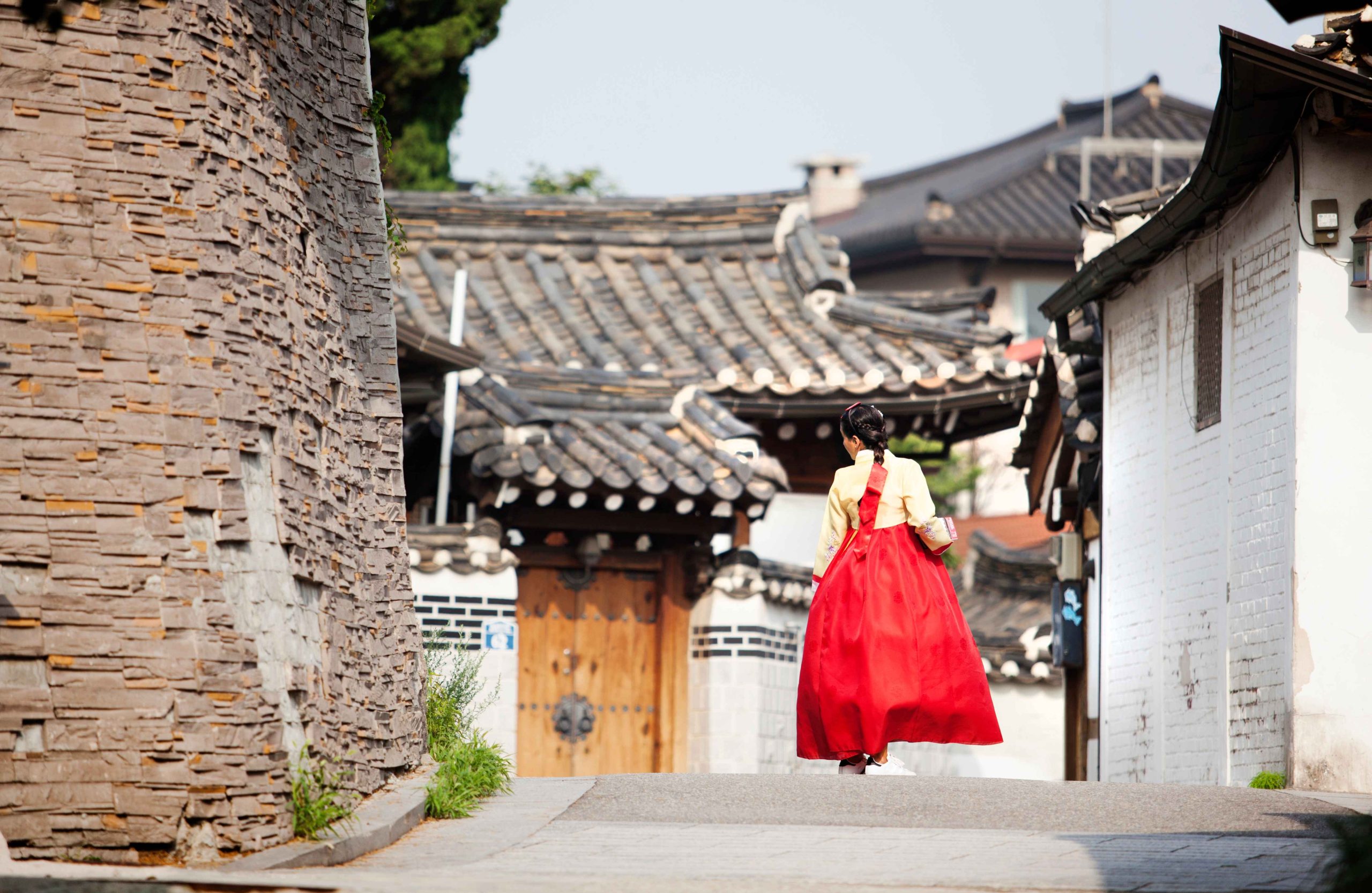
Korea’s rich cultural heritage is deeply intertwined with its long-standing tradition of handicrafts. From intricate ceramics and exquisite embroidery to handmade paper and lacquerware, Korea’s traditional crafts reflect centuries of artistry and skill passed down through generations. For visitors to Seoul, exploring these craft shops offers an intimate window into the nation’s history, culture, and creative spirit.
Seoul boasts a variety of craft shops that celebrate and preserve these traditional practices, while also offering modern twists on ancient techniques. Whether you’re seeking a unique souvenir or interested in learning more about Korean art forms, visiting these stores will deepen your appreciation for the nation’s artistry.
Here’s a guide to some of the best traditional craft shops in Seoul, where you can admire and purchase handcrafted works or even try your hand at making something of your own.
1. Ssamziegil: The Heart of Traditional Korean Crafts
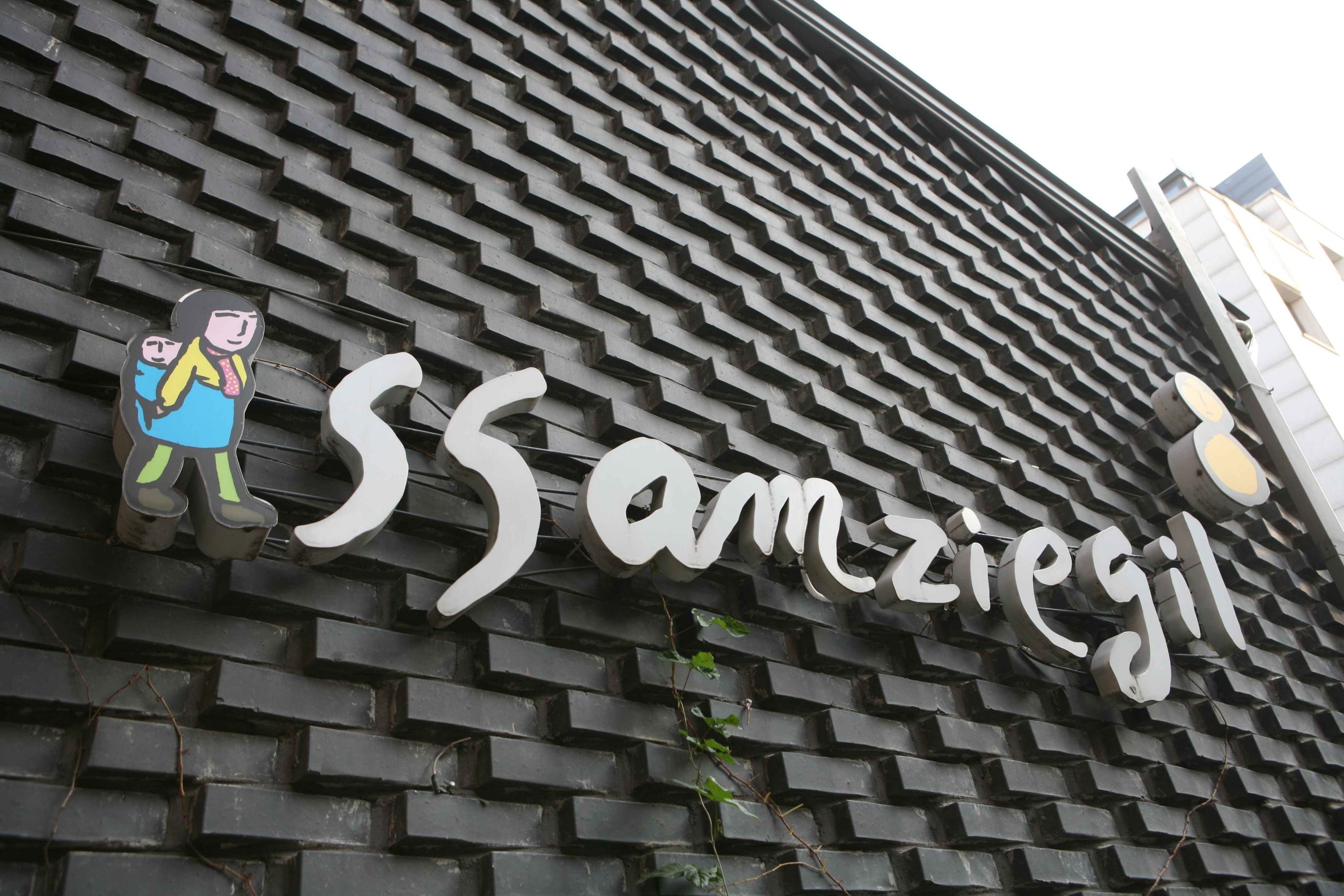
ⓒKorea Tourism Organization Photo Korea – Lee Beomsu
Located in the vibrant neighborhood of Insadong, Ssamziegil is a four-story shopping complex that serves as a hub for Korean handicrafts. Its spiral architecture is designed so that visitors can stroll through various levels without using stairs, making it easy to explore the many shops that sell pottery, wooden crafts, and traditional Korean souvenirs.
Ssamziegil showcases the perfect blend of modernity and tradition, with small galleries and craft stores displaying traditional ceramics, Korean paper art (hanji), and hand-painted fans. Visitors can purchase these unique items or even partake in workshops where they can try their hand at traditional craft-making.
What to Buy:
- Hanji (Korean Paper): Handmade from mulberry bark, used for various crafts like lamps, boxes, and notebooks.
- Celadon Ceramics: Intricately designed pottery with a jade-like glaze, representing Korea’s celebrated ceramic art.
- Nubi (Traditional Quilting): Soft, hand-stitched blankets or accessories using traditional quilting methods.
Why Visit?
- Central Location: Located in the heart of Insadong, Seoul’s traditional arts and crafts neighborhood.
- Hands-on Experience: Participate in craft-making workshops for a deeper cultural experience.
- Eclectic Shopping: A diverse range of items, from affordable souvenirs to fine artisan pieces.
2. Bukchon Hanok Village Craft Shops
ⓒKorea Tourism Organization Photo Korea – IR Studio
Nestled between Gyeongbokgung Palace and Changdeokgung Palace, Bukchon Hanok Village is not only a well-preserved traditional neighborhood but also a thriving center for craft shops. Many of the hanoks (traditional Korean houses) have been transformed into galleries, shops, and ateliers where artisans create and sell handmade crafts.
Visitors to Bukchon can explore these intimate spaces and find items ranging from calligraphy brushes to traditional lacquerware. Some of these craft shops offer workshops, allowing visitors to engage with the crafts themselves, from painting traditional Korean ceramics to trying their hand at knot-making (maedeup).
What to Buy:
- Maedeup (Korean Knotting Art): Intricately tied decorative knots often used in jewelry or as ornaments.
- Lacquerware: Exquisitely polished boxes and utensils coated with layers of lacquer for a glossy, durable finish.
- Bojagi (Wrapping Cloth): Traditional Korean textile art, often used for wrapping gifts or in home décor.
Why Visit?
- Scenic Beauty: Experience traditional Korean architecture while exploring craft shops.
- Artisan Studios: Many shops double as working studios where you can watch artisans at work.
- Cultural Immersion: Try your hand at traditional Korean crafts with hands-on workshops.
3. Korea Craft and Design Foundation (KCDF)
View this post on Instagram
The Korea Craft and Design Foundation (KCDF) store, located in Insadong, is a must-visit for anyone serious about traditional Korean craftsmanship. The foundation preserves and promotes Korean craft culture, and the store reflects this mission by offering high-quality, authentic works of art made by Korea’s top artisans.
KCDF carries a wide range of items, including bamboo crafts, ceramics, metalworks, and textiles. The products here strike a balance between traditional techniques and contemporary design, making them suitable for modern use while preserving their historical significance. The store also regularly hosts exhibitions showcasing contemporary interpretations of traditional crafts.
What to Buy:
- Ceramics: Delicate porcelain tea sets and bold earthenware pottery, the quality and design are unmatched.
- Bamboo Crafts: Artfully crafted baskets, utensils, and household goods made from bamboo, a staple material in Korean craftsmanship.
- Hanbok-Inspired Accessories: Modern jewelry and accessories inspired by Korea’s traditional clothing.
Why Visit?
- Authenticity Guaranteed: All products are certified as traditional and handmade by recognized artisans.
- Exhibitions and Workshops: Participate in rotating exhibitions and learn directly from master craftsmen.
- High-Quality Craftsmanship: The store represents the pinnacle of Korean craft design, with items that are as beautiful as they are functional.
4. Icheon Ceramics Village
View this post on Instagram
While located just outside of Seoul, a trip to the Icheon Ceramics Village is a worthwhile detour for anyone interested in Korean ceramics. Icheon has been the heart of Korea’s pottery industry for over 500 years, and today, it remains a thriving center of ceramic production. This village is home to numerous kilns, shops, and galleries where visitors can purchase and even create their own ceramics.
The village is famous for its Joseon Dynasty-style celadon and porcelain, and many of the ceramic items here are considered works of art. Visiting Icheon gives tourists a deeper appreciation of Korea’s historical connection to ceramics, and visitors can take part in pottery-making classes or tour one of the many kilns still in operation.
What to Buy:
- Celadon Pottery: Characterized by its beautiful jade-green glaze, it is one of Korea’s most famous ceramic styles.
- Porcelain Ware: Known for its crisp, white finish and delicate detailing, porcelain items from Icheon are highly sought after.
- Traditional Tea Sets: A perfect souvenir that showcases the elegant simplicity of Korean ceramics.
Why Visit?
- Cultural Depth: Learn about Korea’s centuries-old pottery tradition from the experts.
- Hands-On Experience: Create your own ceramic masterpiece in one of the village’s workshops.
- Artisan Shops: Visit small, family-run studios and purchase one-of-a-kind ceramic pieces directly from the artists.
5. Tongin Market Craft Shops
View this post on Instagram
Tongin Market is not only a food market but also offers a variety of shops selling traditional Korean crafts. Located near Gyeongbokgung Palace, this market provides a unique shopping experience where visitors can purchase handcrafted goods, from traditional fans and paper crafts to pottery and accessories.
Tongin Market is less touristy than the larger Insadong and Namdaemun markets, making it an excellent place for those looking to explore a more local, authentic shopping environment. Many of the craft shops here feature items made by local artisans, offering a closer connection to the crafts on display.
What to Buy:
- Traditional Fans: Hand-painted Korean fans, often featuring landscapes or cultural symbols.
- Hanji Lanterns: Beautifully designed paper lanterns made from Korean mulberry paper.
- Wooden Utensils: Hand-carved spoons, chopsticks, and other kitchen items made from traditional Korean wood.
Why Visit?
- Authentic Market Experience: Shop in a traditional market environment with fewer tourists.
- Unique Souvenirs: Find traditional crafts that are not mass-produced, for truly special gifts.
- Cultural Proximity: Located near Gyeongbokgung Palace, perfect for combining a cultural tour with shopping.
6. Namdaemun Market Craft Shops
View this post on Instagram
As one of Seoul’s largest and oldest markets, Namdaemun Market offers an extensive selection of traditional crafts, clothing, and household goods. While it’s primarily known for its food and fashion, Namdaemun also has several hidden gems in the form of craft shops.
Visitors can find handcrafted jewelry, embroidery, and hanji products, as well as traditional Korean instruments like the gayageum (zither). Namdaemun is a bustling, energetic market that provides a unique atmosphere for craft shopping. In addition, vendors are eager to explain the history and significance of their products.
What to Buy:
- Traditional Korean Jewelry: Handcrafted necklaces, rings, and bracelets often made with jade and other traditional materials.
- Embroidery: Hand-stitched table runners, wall hangings, and accessories featuring traditional Korean motifs.
- Hanji Boxes: Intricately folded and decorated paper boxes made from Korea’s famous mulberry paper.
Why Visit?
- Variety: One of the largest selections of crafts in Seoul, spread across countless stalls and shops.
- Cultural Immersion: Namdaemun Market is a vibrant place to experience Korean market culture at its best.
- Affordable Pricing: With so many vendors, Namdaemun offers competitive pricing for a wide range of crafts.
Conclusion
Exploring Korea’s traditional craft shops is not just about shopping—it’s an immersive cultural experience that brings you closer to the heart of Korean artistry. Whether you’re wandering through the quaint streets of Bukchon Hanok Village or exploring the bustling lanes of Namdaemun Market, each shop offers a unique glimpse into Korea’s rich craft heritage. For travelers looking to take home a piece of Korean culture, these shops provide an endless array of beautifully handcrafted items that will remind you of your journey for years to come.