Seoul is one of the world’s great food cities, and eating here is a major part of the experience. From smoky barbecue spots tucked into narrow alleys to Michelin-starred restaurants reinventing royal cuisine, the variety is remarkable. This guide covers the best food in Seoul, what to eat, where to find it, and how to experience it like a local.
Must-Try Korean Dishes in Seoul
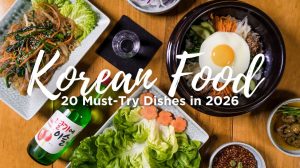
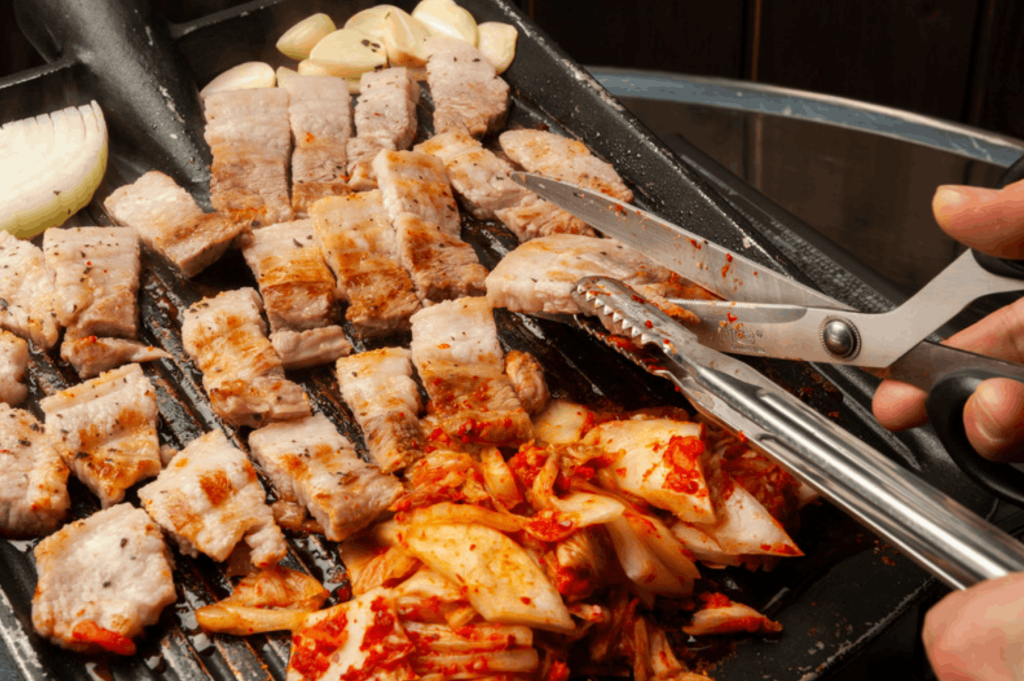
Some dishes truly define the Seoul food scene. Korean BBQ (삼겹살 / samgyeopsal for pork belly, 갈비 / galbi for marinated short ribs) is at the heart of it all. You grill the meat right at your table, wrap it in lettuce with garlic and ssamjang, and pair it with soju. Neighborhoods like Mapo-gu and Jongno are especially known for their excellent BBQ spots, often filled with locals after work.
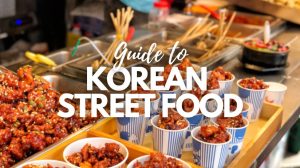
Tteokbokki (spicy rice cakes) is Seoul’s most iconic street food. The best versions are found at market stalls where the sauce has been simmering for hours. Gwangjang Market and Tongin Market are two of the top places to try it.
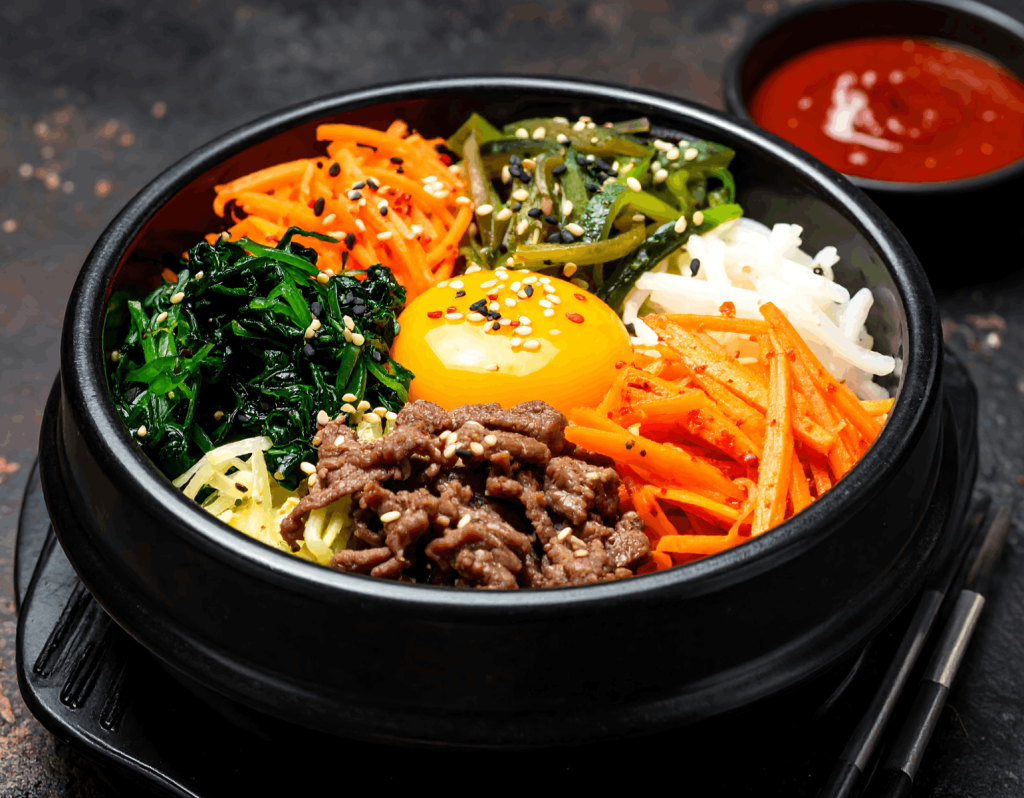
Bibimbap, rice mixed with vegetables, gochujang, and a fried egg, is one of Korea’s most internationally recognized dishes, but it feels different when you eat it in Seoul. Try the dolsot (hot stone bowl) version, which creates a crispy layer of rice at the bottom.
Jjigae (stews) represent everyday Korean comfort food. Dishes like kimchi jjigae and sundubu jjigae (soft tofu stew) are staples in local restaurants and typically cost under ₩8,000 ($6). For many office workers, this is a standard lunch.
Other essentials include japchae (glass noodles), kimchi in its many varieties, mandu (dumplings), and naengmyeon (cold buckwheat noodles), especially refreshing during the summer months.
👉 Korean Food Names with Pictures: A–Z Guide
Best Food Neighborhoods and Markets in Seoul
Where you eat in Seoul matters almost as much as what you eat. Each neighborhood has its own distinct food identity.
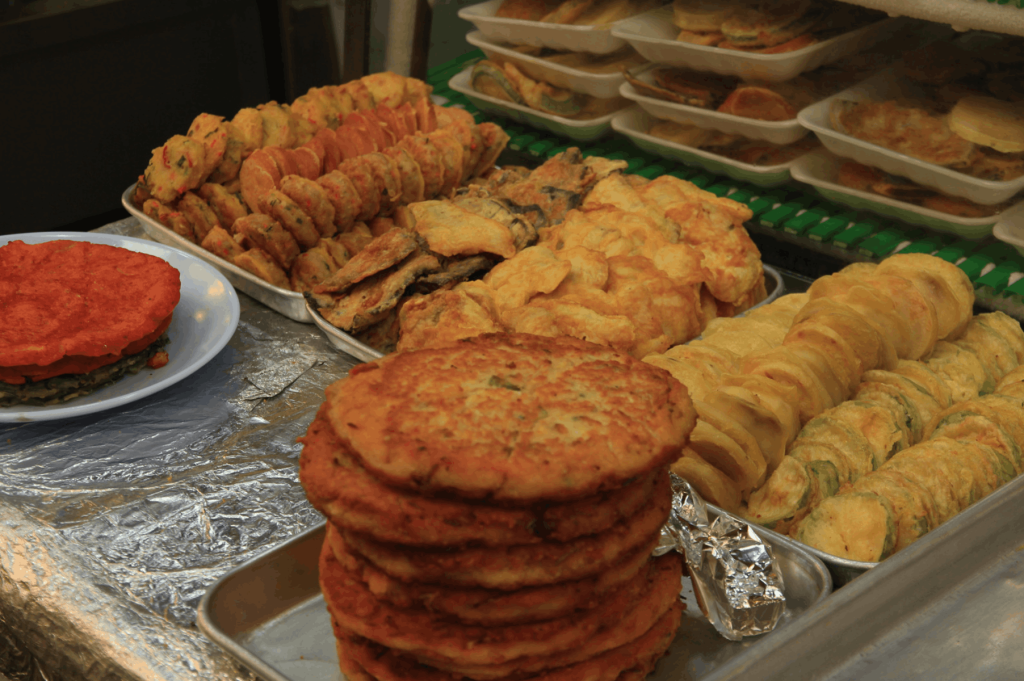
Gwangjang Market is the undisputed king of Seoul’s food markets. Open since 1905, it’s famous for bindaetteok (mung bean pancakes) and mayak gimbap (addictive mini rice rolls). Go at lunchtime, grab a seat at any busy stall, and point to what the person next to you is eating.
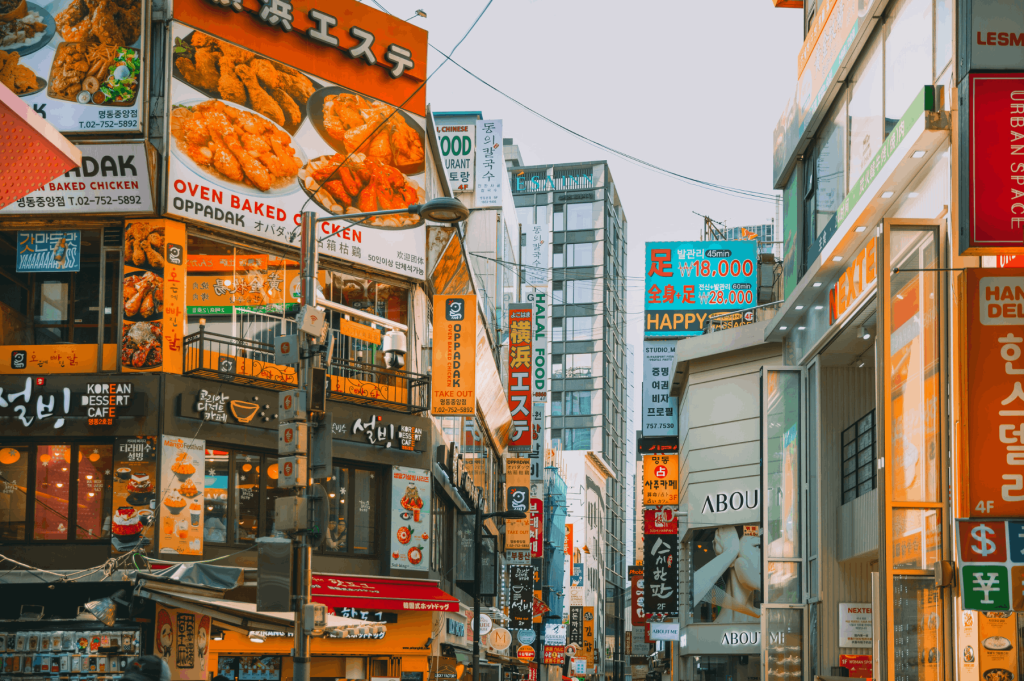
Myeongdong is street food heaven. The main strip and surrounding alleys serve everything from egg bread (gyeran-ppang) to giant tornado potatoes. It’s touristy, but the food is genuinely good and affordable.
Ikseon-dong is a small hanok neighborhood near Jongno that has become one of Seoul’s trendiest food destinations. Traditional Korean houses have been transformed into cafés, restaurants, and cocktail bars. Visit for brunch or an evening drink.
Hongdae is the go-to area for late-night eats. Korean fried chicken (chimaek), ramyeon shops, and 24-hour kimbap spots keep the neighborhood’s nightlife crowd fueled well into the early morning.
For fine dining in Seoul, restaurants like Jungsik and Mingles in Gangnam have earned Michelin stars by reinterpreting Korean flavours with modern techniques. Reservations are highly recommended.
👉 Best Things to Do in Seoul 2026
How to Order Food in Seoul (Tips for Non-Korean Speakers)
Ordering food in Seoul without speaking Korean is easier than you might expect, but a few tips can make the experience even smoother.
Picture menus: Many restaurants, especially in tourist-friendly areas, offer photo menus or English translations. If not, use your phone’s camera translation—apps like Papago or Google Lens work well with Korean text.
Kiosks: Fast-casual spots and chain restaurants increasingly use touchscreen kiosks, often with English language options. Look for a flag icon to switch languages.
Market etiquette: At traditional markets, pointing and nodding is completely acceptable. Vendors are used to foreign visitors, so don’t hesitate to gesture or indicate quantity with your fingers.
Delivery apps: Seoul has a highly developed food delivery culture. Apps like Coupang Eats offer English interfaces and access to thousands of restaurants, making them especially useful on rainy days or late nights. Having mobile data or Wi-Fi is essential.
Tipping: There is no tipping culture in Korea. Leaving money on the table can confuse staff. The price listed on the menu is exactly what you pay.
👉 Where to Buy Electronics in Seoul
Seoul Food Experiences Beyond Restaurants
Some of the best food in Seoul happens outside traditional restaurants.
Cooking classes: Several companies offer half-day Korean cooking classes in English. You’ll visit a market, buy ingredients, and learn to make 3–4 dishes. It’s a great rainy-day activity and you leave with recipes you can actually recreate at home.
Temple food: Buddhist temple cuisine is vegetarian, seasonal, and deeply intentional. Balwoo Gongyang near Jogyesa Temple is the most accessible place to try it, it holds a Michelin star and serves multi-course temple food in an elegant setting.
Convenience store food: Don’t laugh, Korean convenience stores (CU, GS25, 7-Eleven) stock surprisingly good ready-to-eat meals, triangle kimbap, and cup ramyeon. Locals eat convenience store food regularly, and it’s a budget traveler’s best friend.
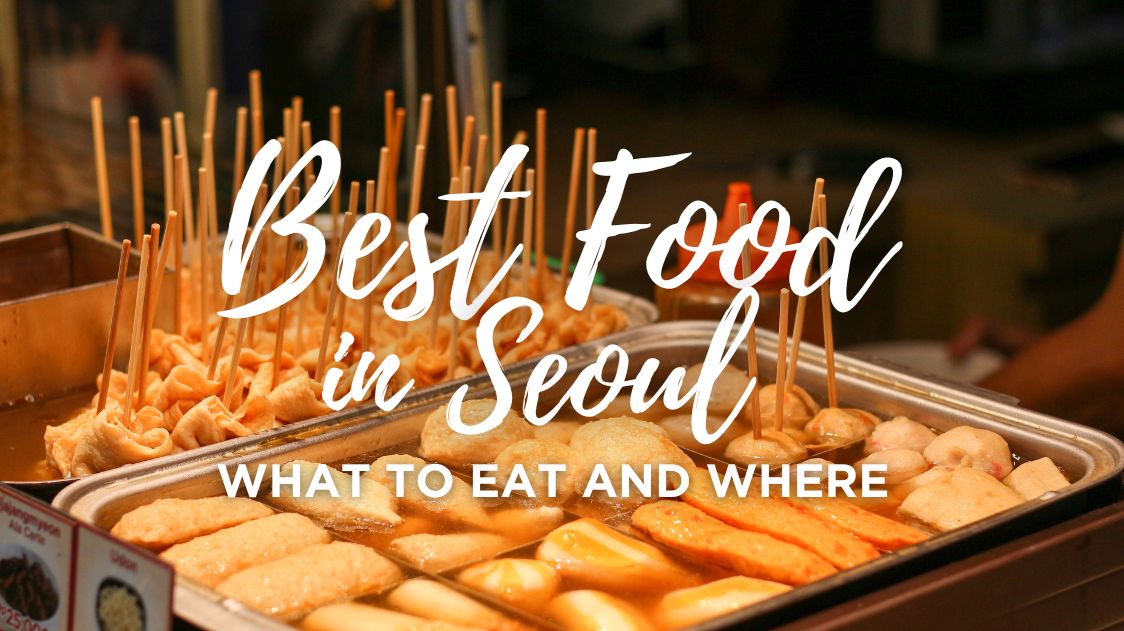
Pojangmacha: These orange-tented street food stalls appear at night and serve tteokbokki, odeng (fish cake skewers), and soju. Sitting under a pojangmacha tent on a cold evening is a quintessentially Korean experience.
Frequently Asked Questions
Q: What is the most popular food in Seoul?
A: Korean BBQ (especially samgyeopsal) and tteokbokki are the most beloved everyday foods. If you only try two things, make it these. BBQ is a social experience, go with at least two people, as most BBQ restaurants have a two-person minimum order.
Q: Is Seoul food spicy?
A: Many Korean dishes use gochugaru (chili flakes) or gochujang (chili paste), so yes, spice is common. However, not everything is spicy. Bulgogi, japchae, kimbap, and most soups are mild. If you’re sensitive to heat, just say “an maepge” (안 맵게 — not spicy) when ordering.
Q: How much does food cost in Seoul?
A: Seoul is remarkably affordable for eating out. A local restaurant meal costs ₩8,000–₩15,000 ($6–$11). Street food snacks run ₩2,000–₩5,000 ($1.50–$4). Korean BBQ for two with drinks is around ₩40,000–₩60,000 ($30–$45). Fine dining starts at ₩80,000+ per person.
Final Tips
Seoul’s food scene is deep enough to keep you eating for weeks without repeating a meal. Start at the markets for street food, work your way through neighborhood restaurants, and save one evening for a Korean BBQ feast. The biggest mistake visitors make is sticking to tourist-area restaurants, walk one block off the main street, find the place with Korean-only signs and a crowd of locals, and sit down. That’s where the real Seoul food experience lives.