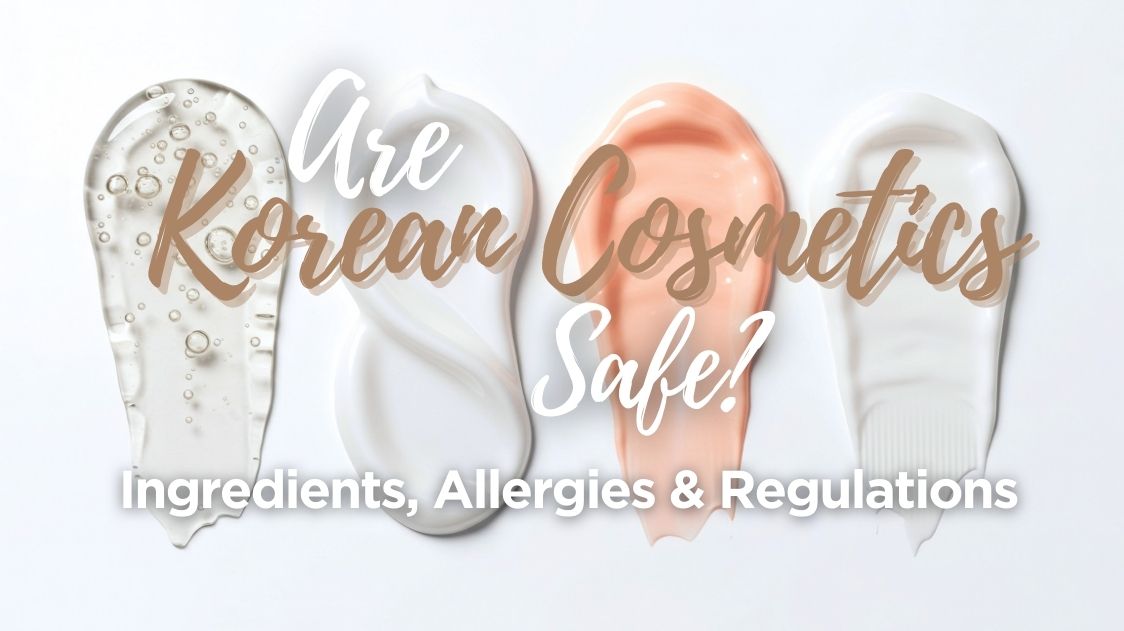
As Korean beauty products gain global popularity, many consumers ask a fundamental question: are Korean cosmetics safe? Korean skincare and makeup are now widely available in international markets, from online retailers to physical stores across Europe, North America, and Southeast Asia. With wider access comes increased attention to ingredient safety, skin reactions, and regulatory oversight.
This article examines the safety of Korean cosmetics in detail. It explains how products are regulated, which ingredients are most commonly used, how allergic reactions are addressed, and what international consumers should know before incorporating Korean beauty products into their routines.
Why Safety Is a Common Concern with Korean Cosmetics
Korean cosmetics often feature innovative formulas, plant-based extracts, and advanced skin-repair ingredients. While this innovation attracts consumers, it also raises questions about:
- Ingredient transparency
- Suitability for sensitive skin
- Compliance with international cosmetic regulations
Search interest around are Korean cosmetics safe reflects a desire for clarity rather than fear. Most concerns come from unfamiliar ingredient names, faster product launches, and differences between regional beauty standards.
How Korean Cosmetics Are Regulated
Cosmetic products sold in South Korea are regulated by the Ministry of Food and Drug Safety (MFDS). This government body oversees ingredient approval, product claims, labelling accuracy, and manufacturing standards.
The Role of the Ministry of Food and Drug Safety (MFDS)
Korean cosmetics are divided into:
- General cosmetics
- Functional cosmetics
Functional cosmetics include products that claim benefits such as whitening, anti-wrinkle effects, or UV protection. These products must undergo additional review and approval before being sold.
This regulatory framework plays a major role in answering the question are Korean cosmetics safe, as it requires brands to meet national safety standards before reaching consumers.
Manufacturing Standards and Quality Control
Korean cosmetic manufacturers must follow Good Manufacturing Practice (GMP) guidelines. These standards regulate:
- Production hygiene
- Ingredient handling
- Product stability
- Packaging safety
Many established Korean brands operate certified production facilities or partner with regulated laboratories, ensuring consistency and traceability across batches.
Ingredient Transparency in Korean Cosmetics
Ingredient transparency is a central topic when discussing cosmetic safety. Korean cosmetic labels list ingredients in descending order of concentration, following international labelling norms.
While ingredient lists can appear long, this often reflects multifunctional formulations rather than unnecessary additives. Ingredient complexity alone does not indicate higher risk.
Commonly Used Ingredients in Korean Skincare
To better understand are Korean cosmetics safe, it is helpful to look at the ingredients most frequently used in Korean skincare. Many of these ingredients are also widely used in global cosmetics and have established safety profiles.
Centella Asiatica
Centella asiatica is one of the most commonly used ingredients in Korean skincare. It is mainly included in products made for sensitive, reactive, or easily irritated skin.
Centella is known for helping to:
- Calm the skin
- Reduce visible redness
- Support the skin’s natural barrier
It comes from a plant that has been used in skincare for many years and is considered gentle and safe for regular use. Because of this, centella is often found in creams, serums, and toners designed for daily skincare routines.
Hyaluronic Acid
Hyaluronic acid is widely used for hydration across all skin types. Korean formulations often combine multiple molecular weights to support moisture retention at different skin levels. It is suitable for daily use and appears in toners, serums, and creams.
Snail Mucin Filtrate
Snail mucin remains a well-known ingredient associated with Korean skincare. Cosmetic-grade snail mucin is purified and processed under controlled conditions. It is used to support hydration, texture improvement, and barrier maintenance.
Green Tea (Camellia Sinensis)
Green tea extract is frequently included for its antioxidant properties. It is commonly used in products aimed at oil balance, environmental stress protection, and daily skincare routines. Green tea has a long history of cosmetic use and a strong safety record.
Ginseng Extract
Ginseng is traditionally associated with Korean skincare and is often included in products targeting mature or dry skin. It is valued for conditioning and antioxidant support rather than aggressive activity.
Niacinamide
Niacinamide is a globally recognised cosmetic ingredient. In Korean skincare, it is often used in moderate concentrations to support skin tone balance, barrier function, and oil regulation. It is considered safe for most skin types when used as directed.
Fermented Ingredients
Fermented rice, soybean, and yeast extracts are commonly used in Korean skincare. Fermentation breaks down compounds into smaller components, which can improve stability and absorption. These ingredients are tested for microbial safety before use.
Ceramides and Barrier-Support Ingredients
Ceramides are lipids naturally found in the skin barrier. Korean skincare frequently includes ceramides in products designed to reduce moisture loss and support sensitive skin. They are suitable for long-term use.
Allergies and Skin Sensitivity
Another major concern related to Korean cosmetics safety involves allergic reactions or irritation. Skin reactions are usually linked to individual sensitivity rather than product origin.
Potential Triggers for Sensitive Skin
Skin reactions usually occur due to:
- Fragrance
- Essential oils
- Preservatives
- High concentrations of active ingredients
Korean cosmetics are not inherently more likely to cause reactions than products from other regions. Reactions depend on individual skin sensitivity and product formulation.
Patch Testing and Usage Recommendations
Many Korean brands recommend patch testing before full use, especially for products containing acids, retinoids, or concentrated actives. This advice aligns with international dermatological best practices.
Instructions often include:
- Gradual introduction of new products
- Limited frequency for active ingredients
- Clear warnings for sensitive skin types
Fragrance, Alcohol, and Preservatives
Fragrance and alcohol are two ingredients that frequently raise concerns.
Fragrance Use
Some Korean cosmetics include fragrance, while others are formulated without it. Fragrance use is regulated and disclosed on ingredient lists. Consumers with sensitive skin often prefer fragrance-free options. Fragrance and alcohol are two ingredients that frequently raise concerns.
Alcohol Content
Alcohol is used in certain formulas to improve texture or absorption. Not all alcohols are drying or harmful. Fatty alcohols, for example, are commonly used as stabilisers and are well tolerated by most skin types.
Cruelty-Free Status of Korean Cosmetics
Cruelty-free practices are an increasingly important factor for consumers asking are Korean cosmetics safe, especially from an ethical and regulatory perspective. In the past, South Korea required animal testing for certain cosmetic products, which caused confusion among international buyers. However, regulations and industry practices have changed significantly in recent years.
Current Animal Testing Regulations in South Korea
South Korea officially banned animal testing for cosmetics in 2018. Since then, cosmetic brands are no longer required to test finished products or ingredients on animals in order to sell within the domestic market.
Instead, safety assessments rely on:
- In-vitro testing
- Alternative laboratory methods
- Existing ingredient safety data
This regulatory shift aligns South Korea with other major cosmetic markets that promote non-animal testing methods.
Are All Korean Cosmetics Cruelty-Free?
While animal testing is banned by law, not every Korean brand markets itself as cruelty-free. The difference lies in:
- Brand philosophy
- Certification choices
- Export requirements
Some brands choose to obtain international cruelty-free certifications, while others comply with the law but do not pursue formal labelling.
From a safety standpoint, cruelty-free status does not reduce product testing. Products still undergo stability, irritation, and compatibility evaluations using approved non-animal methods.
Cruelty-Free Certifications and Labels
Some Korean cosmetic brands carry certifications from internationally recognised organisations. These certifications usually indicate that:
- Ingredients are not tested on animals
- Finished products are not tested on animals
- Suppliers follow cruelty-free standards
Consumers interested in ethical purchasing should look for clear certification symbols or brand statements published on official websites.
Functional Cosmetics and Safety Testing
Functional cosmetics undergo additional evaluation before approval.
Sunscreens and UV Protection
Korean sunscreens must meet strict testing standards for SPF and UVA protection. Products are tested for:
- UV effectiveness
- Stability
- Skin compatibility
Following global sunscreen testing controversies, Korean regulatory oversight has increased, leading to more transparent testing protocols.
Whitening and Anti-Wrinkle Products
Products claiming skin tone improvement or wrinkle reduction must submit supporting data to the MFDS. Approved functional cosmetics are clearly labeled, helping consumers identify regulated claims.
Are Korean Cosmetics Safe for Long-Term Use?
Long-term safety depends on formulation quality and responsible use.
Korean skincare routines often emphasise:
- Gentle cleansing
- Hydration
- Barrier repair
Many products are designed for daily use rather than aggressive treatment, which supports skin health over time.
However, layering multiple active products without guidance can increase irritation risk. This issue is not unique to Korean cosmetics and applies to skincare routines worldwide.
International Compliance and Global Markets
As Korean brands expand globally, many adapt formulas to comply with international regulations.
Compliance with EU and US Standards
Brands selling in Europe must meet EU Cosmetic Regulation requirements, which are among the strictest in the world. In the United States, products must comply with FDA cosmetic regulations.
Korean brands entering these markets adjust:
- Ingredient restrictions
- Labelling language
- Claim wording
This adaptation further supports the argument that are Korean cosmetics safe can be answered positively when products are purchased through official channels.
Counterfeit Products and Safety Risks
One of the biggest safety risks does not come from Korean cosmetics themselves, but from counterfeit products.
How to Avoid Counterfeits
To reduce risk:
- Buy from official brand stores
- Use authorised retailers
- Avoid unusually low prices
Counterfeit cosmetics may contain untested or unsafe ingredients and should be avoided.
Safety for Specific Skin Conditions
Acne-Prone Skin
Many Korean products focus on gentle formulations suitable for acne-prone skin. Ingredients such as centella asiatica and tea tree are commonly used in low concentrations.
Sensitive and Reactive Skin
Korean brands increasingly offer lines designed for sensitive skin, featuring minimal ingredient lists and reduced irritants.
Mature Skin
Products for mature skin often prioritize hydration and barrier support over aggressive exfoliation, which supports long-term skin comfort.
Reading Labels and Making Informed Choices
Understanding ingredient lists helps consumers make safer choices.
Key tips:
- Look for full ingredient disclosure
- Identify personal trigger ingredients
- Avoid products with unnecessary actives
Online databases and dermatologist-reviewed resources can assist with ingredient research.
Are Korean Cosmetics Safe Compared to Other Markets?
From a regulatory and manufacturing standpoint, Korean cosmetics follow standards comparable to other major beauty markets. Innovation speed is higher, but safety oversight remains in place.
The popularity of Korean cosmetics has also increased global scrutiny, encouraging brands to maintain transparency and compliance.
Final Thoughts
So, are Korean cosmetics safe? For most consumers, the answer is yes. Korean cosmetics are regulated, manufactured under established safety standards, and formulated using ingredients with documented cosmetic use.
By reviewing ingredient lists, introducing products gradually, and purchasing from reliable sources, consumers can use Korean cosmetics with confidence. As the industry continues to grow, safety oversight and transparency remain central to maintaining global trust.