Korean alcohol holds a deep cultural significance, playing a vital role in everything from social gatherings to traditional ceremonies. The diversity of alcoholic beverages in Korea ranges from traditional rice wines to modern distilled spirits, offering something for every palate. Whether you’re a seasoned drinker or someone looking to explore Korean culture through its alcohol, this guide will walk you through the most famous drinks, their history, and how to enjoy them.
1. Soju: Korea’s National Spirit
ⓒKorea Tourism Organization Photo Korea – Kim Jiho
A Brief History of Soju
Soju is undeniably the most famous Korean alcoholic beverage. With origins dating back to the 13th century, this clear distilled liquor was initially introduced to Korea during the Goryeo Dynasty by Mongolian invaders who brought the distillation techniques from Persia. Soju is traditionally made from rice, but in more modern times, grains like wheat and barley or even starches like sweet potatoes are used.
How to Enjoy Soju
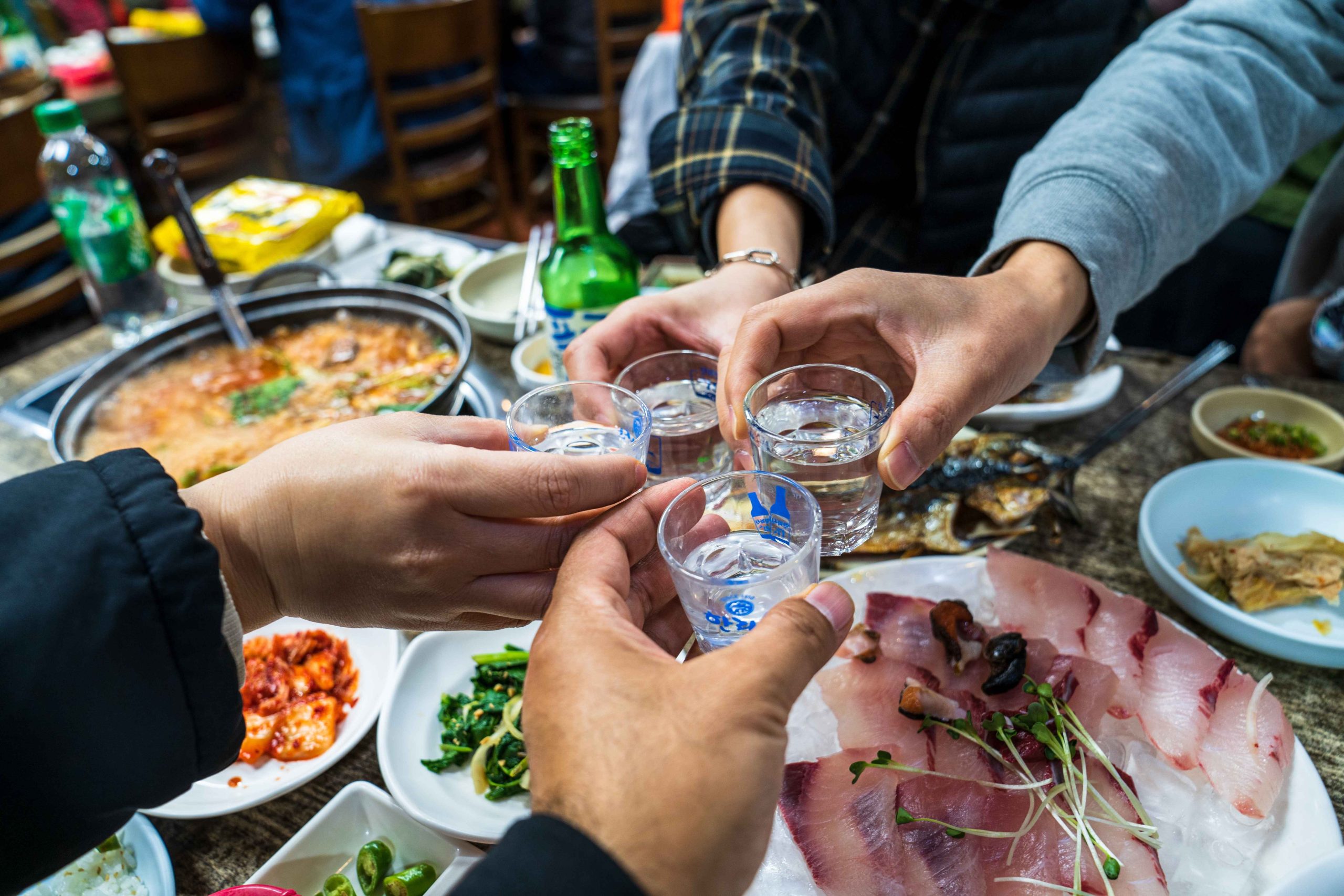
Soju is often consumed neat, served in small shot glasses. In Korean drinking culture, it’s customary to pour drinks for others, never for yourself, as a sign of respect. Additionally, older adults usually have their glasses refilled first. Soju’s smooth yet slightly sweet taste makes it versatile, and it pairs well with a variety of Korean dishes such as samgyeopsal (grilled pork belly), kimchi jjigae (kimchi stew), and bossam (pork wraps).
Flavored Soju
Recently, flavored varieties have become popular among younger drinkers. Brands like Chum Churum and Good Day offer flavors ranging from peach and grapefruit to apple and plum, which are lower in alcohol content (around 12-16%) and appeal to those seeking a lighter, fruitier option.
2. Cheongju: Refined Rice Wine
Traditional Elegance
Cheongju is a clear rice wine, often referred to as “refined rice wine” due to its clarity compared to Makgeolli. It’s produced through a complex filtration process that removes the rice sediment, leaving behind a clear, smooth wine with a higher alcohol content (around 15-20%). Historically, Cheongju was reserved for the royal court and elite families.
Taste and Serving
Cheongju has a slightly sweet, clean taste with a subtle rice fragrance. It’s often used in traditional Korean rituals and ceremonies but has also become a popular option for those looking for a more refined alternative to Makgeolli. Cheongju is served cold in small cups or shot glasses and pairs well with seafood, particularly dishes like jeonbok (abalone) or hoe (raw fish).
3. Bokbunja: Korean Blackberry Wine
A Fruity Delight
Bokbunja wine is made from the Korean wild black raspberry (bokbunja), which grows primarily in the southern regions of the country. This fruit wine is prized not only for its sweet and slightly tart flavor but also for its purported health benefits, including improved circulation and stamina.
How to Enjoy Bokbunja
With an alcohol content ranging between 14-16%, Bokbunja is often enjoyed as an aperitif or dessert wine. Its deep ruby color and fruity flavor make it a popular choice among wine enthusiasts and those new to Korean alcohol. It pairs beautifully with light, sweet snacks like tteok (Korean rice cakes) or as an accompaniment to spicy dishes, balancing out the heat with its sweetness.
4. Baekseju: Herbal Rice Wine
An Ancient Medicinal Drink
Baekseju, meaning “100-year wine,” is an herb-infused rice wine that traces its roots back to ancient Korea. It’s made from glutinous rice and a blend of herbs, most notably ginseng, which is believed to have medicinal properties. The drink is named for its supposed ability to promote longevity and health, making it a popular choice for those interested in the medicinal qualities of alcohol.
Taste Profile
Baekseju has a slightly sweet, earthy flavor with an herbal aftertaste, thanks to the inclusion of ginseng and other traditional Korean medicinal ingredients. Its alcohol content is around 13%, making it a mild drink suitable for casual sipping.
Pairing with Food
Baekseju is often paired with Korean grilled meats, particularly samgyeopsal and galbi (marinated ribs), as its slightly sweet and herbal taste complements the savory flavors of the dishes.
5. Makgeolli: The Ancient Rice Wine
ⓒKorea Tourism Organization Photo Korea – Kim Jiho
The History of Makgeolli
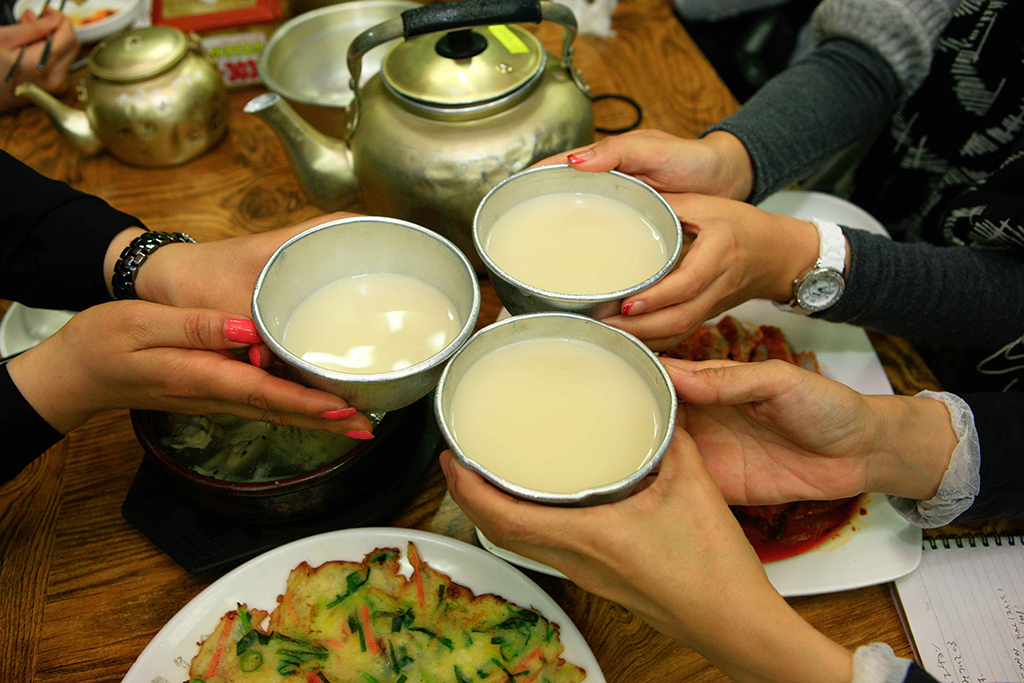
Makgeolli is a traditional unfiltered rice wine with a milky white appearance and a slightly sweet, tangy flavor. This beverage dates back thousands of years and was originally consumed by farmers, earning it the nickname “farmer’s wine.” Today, it has experienced a revival, becoming popular across all age groups in South Korea.
Taste and Texture
Makgeolli is unique due to its fermentation process. Made from steamed rice, nuruk (a fermentation starter), and water, it has a low alcohol content (around 6-8%) and a slightly fizzy texture. Its creamy consistency and subtle sweetness make it easy to drink, though it’s also more filling than other beverages.
How to Drink Makgeolli
Makgeolli is traditionally served in a bowl, and it’s often accompanied by pajeon (Korean pancake) or jeon (savory fritters). You’ll find that it pairs well with most Korean dishes, but it’s particularly popular during rainy days when paired with these fried dishes.
6. Gwasilju: Korean Fruit Wines
A Variety of Flavors
Gwasilju refers to a variety of Korean fruit wines, made from ingredients like plums, peaches, or pomegranates. These wines are sweet and fragrant, with a lower alcohol content (usually around 10-14%). One of the most popular versions is maesilju, made from green plums, which is refreshing and often consumed chilled.
Drinking Gwasilju
Gwasilju is often enjoyed as a dessert wine or during social gatherings. Its fruity sweetness makes it a good introduction to Korean alcohol for those who may find stronger spirits like soju too intense. The delicate balance of fruit and alcohol makes it a versatile wine that pairs well with light snacks, salads, or fruit platters.
7. Sansachun: Korean Hawthorn Wine
A Wine for the Senses
Sansachun is a traditional Korean wine made from hawthorn berries. With a unique tart and floral flavor, this drink is known for its vibrant aroma and slight sweetness. The alcohol content is typically around 14%, making it a pleasant, mild option for casual drinking.
Cultural Significance
Sansachun is often consumed during festive occasions and celebrations. Its bright red hue symbolizes joy and prosperity, making it a favorite for weddings and holidays like Lunar New Year. It’s also believed to aid in digestion, making it a popular choice to accompany hearty meals.
8. Dongdongju: Rustic Rice Wine
Similar to Makgeolli, with a Twist
Dongdongju is a variation of Makgeolli but with a more rustic, less refined finish. The rice sediments in Dongdongju are less filtered, giving the drink a thicker texture and slightly more robust flavor. It has an alcohol content similar to Makgeolli (around 6-8%).
Drinking Experience
Dongdongju is traditionally served in wooden bowls and enjoyed with banchan (side dishes) or savory snacks. Like Makgeolli, it pairs well with pancakes and stews, making it a popular drink at casual restaurants and street markets.
9. Munbaeju: Korea’s Premium Spirit
An Aristocratic Liquor
Munbaeju is a distilled liquor made from millet, sorghum, and other grains, often infused with Korean wild pear (munbae) for added flavor. With an alcohol content of around 40%, Munbaeju is stronger than soju and other rice wines, making it a premium choice for those looking to experience a more traditional, robust Korean spirit.
The Unique Taste
The drink has a distinctive pear aroma with hints of herbs and grains, giving it a complex and refined flavor. Historically, Munbaeju was enjoyed by the Korean aristocracy, and today, it’s considered a luxury spirit, often gifted during special occasions.
10. Jindo Hongju: Red Wine from Jindo Island
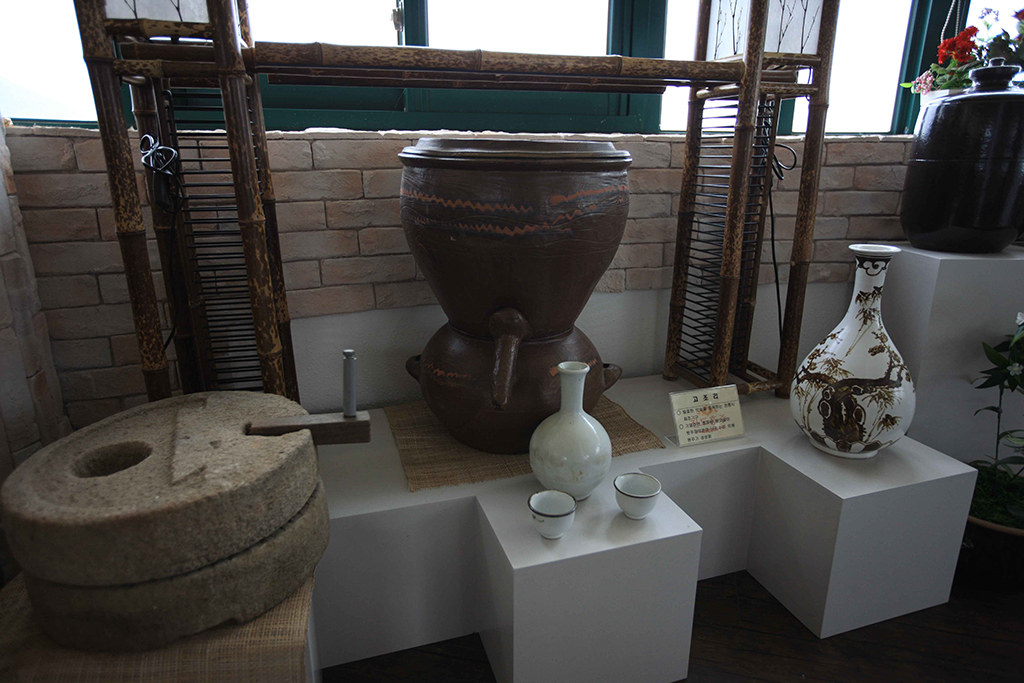
ⓒKorea Tourism Organization Photo Korea – Kim Jiho
A Rare Korean Wine
Jindo Hongju is a traditional red wine made from local grains and fermented using a unique process that imparts a natural red hue to the drink. It originates from Jindo Island, known for its rich cultural heritage and beautiful landscapes.
The Taste and Experience
With a slightly sweet and smoky flavor, Jindo Hongju stands out among Korean alcoholic beverages. It’s typically enjoyed during festivals and ceremonies, often served alongside grilled meats and traditional side dishes.
Conclusion: A Toast to Korean Alcohol Culture
Korean alcohol offers a fascinating glimpse into the country’s rich cultural heritage. Whether you’re savoring the delicate flavors of makgeolli, appreciating the complexity of baekseju, or indulging in the fruity sweetness of bokbunja, each drink tells a story of tradition, innovation, and community. The next time you’re in Korea, raise a glass and immerse yourself in the country’s vibrant drinking culture—geonbae! (Cheers!)